Saudi Arabia has undergone a remarkable transformation in recent years, opening its doors to international tourism through the introduction of tourist visas in 2019. As one of the world’s most culturally conservative countries transitions into a modern tourist destination, many visitors find themselves asking: “What should I wear in Saudi Arabia?”
Understanding dress codes in Saudi Arabia is crucial for several reasons: respecting local culture and Islamic values, ensuring your comfort in the desert climate, avoiding unwanted attention, and in some cases, complying with legal requirements. The good news is that recent reforms have relaxed many restrictions, particularly for foreign visitors. However, this doesn’t mean “anything goes”—modest dress is still expected and appreciated.
This comprehensive guide will walk you through everything you need to know about dressing appropriately in Saudi Arabia as a tourist. We’ll cover what to avoid wearing, what works well, regional variations, gender-specific guidelines, seasonal considerations, and practical tips for different activities. Whether you’re visiting for business, tourism, religious pilgrimage, or transit, this guide will help you pack and dress with confidence.
Important Note: This guide reflects regulations and cultural norms as of 2026. Saudi Arabia continues to modernize, and dress codes—particularly for tourists—may continue to evolve. Always check current requirements before your trip.
Understanding Saudi Arabia’s Dress Culture
The Cultural and Religious Context
Saudi Arabia is unique in the Muslim world as the birthplace of Islam and home to the two holiest sites in Islam: Masjid al-Haram in Makkah and Masjid an-Nabawi in Madinah. The country’s laws and social norms are based on Islamic principles, and modesty in dress is a fundamental cultural value.
Key Cultural Principles:
- Modesty (Haya): A core Islamic value affecting dress
- Gender Segregation: Historically strict, now modernizing
- Respect for Tradition: Even as society modernizes, traditional values remain important
- Regional Variations: Cities vary in conservatism levels
Recent Reforms and What They Mean for Tourists
Important Changes Since 2019:
- Abaya Not Legally Required for Foreign Women: Previously mandatory, abayas are now optional for female tourists
- More Relaxed Enforcement: Authorities take a more lenient approach with tourists
- Emerging Tourism Infrastructure: Hotels, restaurants, and tourist areas more accommodating
- Social Liberalization: Younger generation more accepting of diverse dress styles
- Entertainment Venues: New public spaces with slightly relaxed norms
What Hasn’t Changed:
- Modest dress still required and strongly preferred
- Religious sites maintain strict dress codes
- Conservative expectations in public spaces
- Cultural values favoring modesty remain strong
- Local women often still wear abayas by choice
Current Legal Requirements vs. Social Expectations
Legally Required:
- Modest clothing covering shoulders, chest, and knees (minimum)
- No clothing promoting other religions or offensive content
- Appropriate dress in religious sites
Strongly Expected (Social Norms):
- Loose-fitting clothing
- Coverage of shoulders and cleavage
- Pants or skirts to ankles (especially for women)
- Respectful appearance in public spaces
Understanding the Difference: You may not face legal consequences for wearing a knee-length skirt, but you might experience disapproving looks, feel uncomfortable, or be denied entry to certain establishments. Social pressure and cultural respect often matter more than strict legal enforcement.
What NOT to Wear: The Essential Don’ts
Let’s start with the most important information—what you should absolutely avoid wearing in Saudi Arabia.
For Women: The Major Don’ts
1. Revealing or Tight-Fitting Clothing
Specifically Avoid:
- Tight leggings or yoga pants as outer wear (okay under long tunic)
- Body-con dresses or skirts that cling to body shape
- Fitted jeans that show body contours clearly
- Form-fitting tops that reveal body shape
- Clothes that reveal figure through transparency or tightness
Why It’s Problematic:
- Conflicts with modesty values
- Draws unwanted attention
- May cause discomfort for you and others
- Can be seen as disrespectful
The Exception: Fitted clothing is acceptable as a base layer under loose, modest outer clothing. Many women wear leggings under long tunics or dresses.
2. Short Hemlines
Specifically Avoid:
- Mini skirts or shorts
- Knee-length skirts (borderline—cover to ankles safer)
- Short dresses above ankle
- High slits revealing legs
- Bermuda shorts or capris
Why It’s Problematic:
- Shows too much leg for local comfort
- Against social norms
- Will draw stares and comments
- May be denied entry to establishments
General Rule: The longer, the better. Ankle-length is safe and comfortable.
3. Low-Cut or Revealing Tops
Specifically Avoid:
- Cleavage-revealing tops or dresses
- Low-cut necklines (V-neck, scoop, etc.)
- Backless or halter tops
- Crop tops or midriff-revealing clothing
- Sheer or transparent tops without appropriate layering
- Strapless or spaghetti strap tops
Why It’s Problematic:
- Highly inappropriate in conservative culture
- Will cause significant discomfort
- Shows disrespect for local values
- May face confrontation
Safe Alternative: High necklines (crew neck, collared) or modest V-necks with additional layering.
4. Sleeveless Clothing
Specifically Avoid:
- Tank tops or camisoles as outerwear
- Sleeveless dresses without cover
- Cap sleeves (too short)
- Cold-shoulder styles
- Any bare shoulders in public
Why It’s Problematic:
- Shoulders should be covered
- Cultural expectation of arm coverage
- Particularly important in religious areas
- Shows lack of awareness
Acceptable: Three-quarter or full-length sleeves. Short sleeves (to elbow) are borderline acceptable in tourist areas but longer is better.
5. Sheer or Transparent Fabrics
Specifically Avoid:
- See-through materials without proper underlayers
- Lace clothing where skin shows through
- Sheer chiffon or georgette without lining
- Mesh or net fabrics revealing skin
- Thin white or light fabrics that become transparent
Why It’s Problematic:
- Defeats purpose of coverage
- Culturally inappropriate
- Suggests lack of understanding
- Uncomfortable for everyone
Solution: Always check transparency in bright light. Layer appropriately with opaque clothing underneath.
6. Bright, Flashy, or Attention-Grabbing Clothing
Specifically Avoid:
- Neon colors or extremely bright hues
- Excessive sparkle or sequins
- Bold, loud patterns
- Logos or text with inappropriate content
- Clothing with faces or figures (can be offensive in very conservative areas)
Why It’s Problematic:
- Draws unnecessary attention
- Contrary to modest presentation
- May be considered showing off
- Can make you target for harassment
Better Choices: Neutral colors (black, navy, gray, beige, white), jewel tones, subtle patterns, understated elegance.
7. Western Swimwear in Public Areas
Specifically Avoid:
- Bikinis anywhere except private resort beaches
- Revealing swimwear in public areas
- Walking in swimwear outside pool/beach areas
- Beach cover-ups that don’t fully cover
Why It’s Problematic:
- Highly inappropriate
- Illegal in public beaches
- Offensive to local sensibilities
- Will face confrontation
Where You Can Wear It:
- Private hotel pools (with discretion)
- Private beach resorts (designated areas)
- Women-only facilities
Recommended Instead:
- Full-coverage swimwear or burkini
- Long swim tunic with swim leggings
- Cover-up immediately when leaving water
8. Religious Items from Other Faiths
Specifically Avoid:
- Large crosses or Christian jewelry
- Other religious symbols prominently displayed
- Clothing with religious text from other faiths
- T-shirts with religious imagery
Why It’s Problematic:
- Can be offensive in Islamic country
- Missionary activity is illegal
- May cause issues at entry
- Shows lack of respect
Note: Small, discreet personal jewelry is generally acceptable. Large, prominent religious symbols are the issue.
For Men: The Major Don’ts
1. Shorts in Public Areas
Specifically Avoid:
- Short shorts anywhere in public
- Above-knee shorts in most public areas
- Athletic shorts outside gyms
- Beach shorts away from beach/pool
Why It’s Problematic:
- Men’s legs should be covered
- Seen as underdressed
- Disrespectful in public spaces
- May be denied entry to establishments
Where Acceptable:
- Hotel gyms
- Private hotel pools
- Some sports facilities
- Inside your hotel room
Safe Alternative: Lightweight long pants or pants with zip-off legs (change to long in public).
2. Sleeveless Shirts or Tank Tops
Specifically Avoid:
- Tank tops or muscle shirts
- Sleeveless athletic wear
- Cut-off shirts
- Excessively tight t-shirts
Why It’s Problematic:
- Too casual and revealing
- Inappropriate in conservative culture
- Shows lack of respect
Safe Alternative: Short-sleeved or long-sleeved shirts. Polo shirts or casual button-downs work well.
3. Excessively Tight Clothing
Specifically Avoid:
- Skin-tight jeans or pants
- Very fitted t-shirts showing body contours
- Compression clothing as outerwear
- Muscle-revealing clothing
Why It’s Problematic:
- Modesty applies to men too
- Overly revealing of body shape
- Not aligned with local dress norms
Better Choice: Regular-fit or slightly loose clothing.
4. Offensive Imagery or Text
Specifically Avoid:
- Profanity or crude language
- Alcohol-related branding (beer logos, etc.)
- Drug references
- Sexualized imagery
- Religious mockery
- Political statements
Why It’s Problematic:
- Can be illegal
- Highly offensive
- May face serious consequences
- Shows disrespect
General Rule: If you wouldn’t wear it to meet your grandmother, don’t wear it in Saudi Arabia.
5. Excessive Jewelry or Accessories
Specifically Avoid:
- Large gold chains or flashy jewelry (cultural taboo for men)
- Multiple rings
- Excessive piercings
- Flashy accessories
Why It’s Problematic:
- Gold jewelry on men is haram (forbidden) in Islam
- Seen as effeminate or showing off
- Culturally inappropriate
Cultural Context: While tourists aren’t bound by Islamic rules, being aware shows respect.
For Everyone: Universal Don’ts
1. Camouflage or Military-Style Clothing
Specifically Avoid:
- Camouflage patterns (all types)
- Military uniforms or similar styling
- Tactical gear appearance
- Militaristic accessories
Why It’s Problematic:
- Illegal for civilians
- Can be seen as security threat
- May cause serious problems
- Shows ignorance of local laws
Exception: Subtle camo print on accessories might be overlooked, but best avoided entirely.
2. Alcohol or Drug-Related Branding
Specifically Avoid:
- Beer or liquor brand logos
- Cannabis references or imagery
- Drug culture clothing
- Bar or nightclub merchandise
Why It’s Problematic:
- Alcohol is illegal for Muslims
- Drugs are strictly illegal
- Highly offensive in Islamic context
- Can face legal consequences
3. Provocative or Sexual Content
Specifically Avoid:
- Sexualized text or imagery
- Suggestive messages
- Explicit content
- Double entendres
Why It’s Problematic:
- Extremely offensive
- Can be illegal (indecency laws)
- Will cause serious issues
- Deeply disrespectful
4. Dirty, Torn, or Extremely Casual Clothing
Specifically Avoid:
- Visibly dirty or stained clothing
- Intentionally distressed or ripped jeans
- Beachwear outside beach contexts
- Pajamas in public
- Slippers or flip-flops (except at beach/pool)
Why It’s Problematic:
- Seen as disrespectful
- Suggests you don’t care about appearance
- Inappropriate for public spaces
- May be denied entry to establishments
Cultural Note: Saudis generally dress well in public. Neat, clean appearance shows respect.
What TO Wear: Practical Alternatives
Now that we know what to avoid, let’s explore what works well.
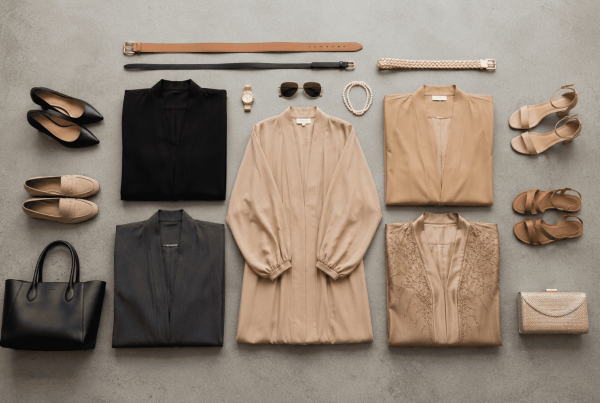
For Women: Smart, Modest Choices
Comfortable Daily Wear
Top Options:
- Long tunic or kurta (knee-length or longer)
- Maxi dresses (loose-fitting, high neckline)
- Long-sleeved blouses or shirts
- Cardigans or light jackets over modest tops
- Loose button-down shirts
Bottom Options:
- Loose palazzo pants or wide-leg trousers
- Maxi skirts (ankle-length)
- Loose-fitting jeans with long top
- Linen pants (comfortable in heat)
- Modest full-length dresses
Recommended Fabrics:
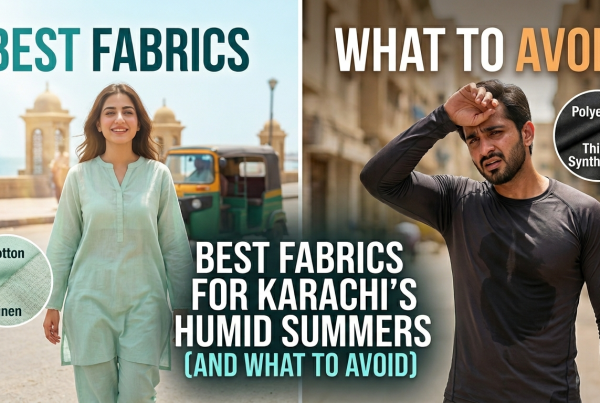
- Cotton or cotton blends (breathable)
- Linen (excellent for heat)
- Jersey (comfortable, modest)
- Lightweight technical fabrics (moisture-wicking)
Color Palette:
- Neutral tones (beige, gray, navy, white)
- Jewel tones (emerald, sapphire, burgundy)
- Pastels (soft pink, lavender, mint)
- Earth tones (browns, tans, olives)
Head Covering Options
Not Required for Tourists: Foreign women are not legally required to cover their hair except in mosques or extremely conservative areas.
When to Consider:
- Visiting mosques (required)
- In Qassim or very conservative regions
- If you feel more comfortable
- To show extra respect
If You Choose to Cover:
- Loose shawl or scarf
- Pashmina or wrap
- Hijab (if familiar with styling)
- Keep handy for religious sites
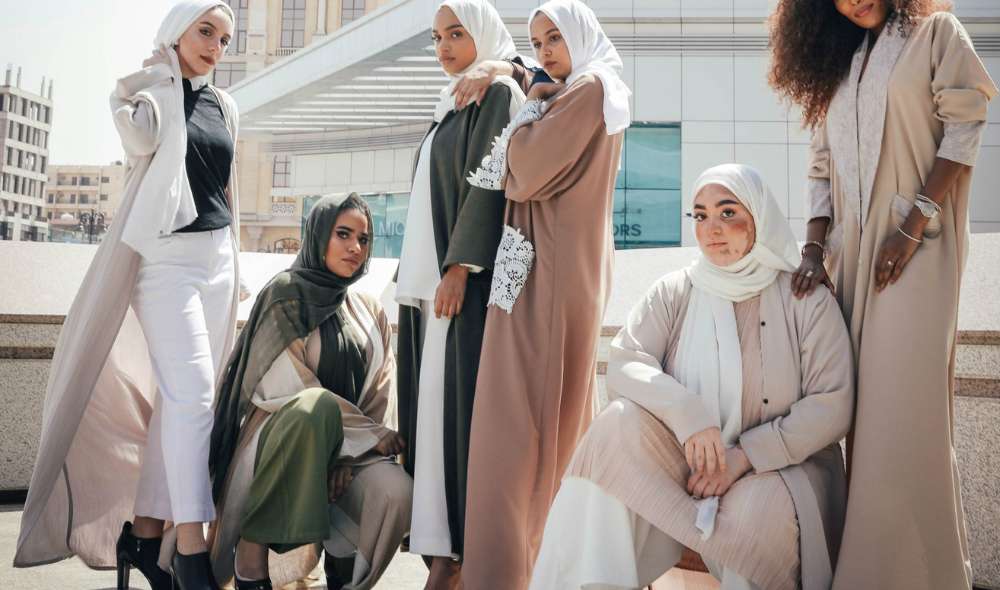
The Abaya Question
Current Status:
- Not required for foreign women
- Recommended in very conservative areas
- Required in some establishments
- Personal choice in most tourist areas
Pros of Wearing Abaya:
- Simplifies outfit decisions
- Provides full coverage easily
- Shows cultural respect
- Can be comfortable in AC buildings
- Helps you blend in
Cons of Wearing Abaya:
- Can be hot in summer heat
- Not necessary legally
- May feel unfamiliar
- Can be cumbersome
Middle Ground: Bring one abaya for conservative areas, mosques, or when you want extra coverage. Don’t feel obligated to wear it constantly.
For Men: Practical Modest Attire
Comfortable Daily Wear
Top Options:
- Polo shirts (versatile, appropriate)
- Short-sleeved button-down shirts
- Long-sleeved casual shirts
- T-shirts (plain, good quality)
- Light sweaters or cardigans (cooler months)
Bottom Options:
- Lightweight long pants (chinos, khakis)
- Linen trousers (excellent for heat)
- Loose-fitting jeans
- Casual trousers
- Traditional dress pants
Recommended Fabrics:
- Cotton (breathable, comfortable)
- Linen (best for hot weather)
- Technical fabrics (moisture-wicking)
- Lightweight wool blends (winter)
Color Palette:
- Neutral colors (navy, khaki, gray, white)
- Earth tones (browns, olives)
- Avoid very bright or neon colors
Traditional Thobe Option
What It Is: Long white robe traditionally worn by Saudi men.
Can Tourists Wear It?:
- Not expected or typical
- Some tourists try for cultural experience
- Can be practical (cool, modest)
- Requires proper wearing knowledge
- Best to ask locals first
Recommendation: Stick to Western modest clothing unless you have cultural ties or specific interest.
Footwear for Everyone
Appropriate Options:
- Comfortable walking shoes (breathable sneakers)
- Sandals with back strap (not flip-flops)
- Closed-toe shoes (always safe choice)
- Loafers or slip-ons (easy for mosque visits)
- Supportive sandals (Birkenstock-style)
Avoid:
- Very high heels (impractical)
- Flip-flops in public (too casual)
- Athletic shoes (outside exercise contexts)
- Beach sandals (except at beach)
Practical Tip: Bring shoes easy to slip on/off for mosque visits where shoes must be removed.
Regional Variations: Different Areas, Different Norms
Saudi Arabia is not monolithic—dress expectations vary significantly by region and city.
Major Cities and Tourist Areas
Riyadh (Capital – Most Conservative)
Expectations:
- Strictest dress standards
- More traditional population
- Business-focused city
- Conservative social norms
What Works:
- Full coverage (ankles, wrists, high necklines)
- Modest colors and styles
- Professional appearance
- Consider abaya in public areas
Jeddah (Most Liberal)
Expectations:
- Most relaxed Saudi city
- Cosmopolitan population
- Red Sea coast culture
- More accepting of diversity
What Works:
- Knee-length sleeves acceptable
- Slightly shorter hemlines (still below knee)
- More color and style variety
- Western modest wear common
Dammam/Eastern Province
Expectations:
- Moderate conservatism
- Oil industry presence
- Mix of traditional and modern
- Expatriate communities
What Works:
- Standard modest dress
- Business casual common
- Similar to Riyadh but slightly relaxed
- Professional appearance valued
AlUla and NEOM (Tourist Developments)
Expectations:
- Most tourist-friendly
- Modern infrastructure
- International standards
- Still requires modesty
What Works:
- Comfortable modest wear
- Tourist-appropriate clothing
- Still cover shoulders and knees
- Slightly more relaxed than cities
Religious Cities
Makkah and Madinah
Expectations:
- Strictest standards
- Religious significance paramount
- Zero tolerance for immodesty
- Majority of visitors are pilgrims
What to Wear:
- Full coverage mandatory
- Loose, plain clothing
- Women: consider abaya
- Men: long pants, modest shirts
- Ultra-conservative approach essential
Additional Requirements:
- Non-Muslims cannot enter Makkah
- Madinah has non-Muslim areas
- Religious sites require strict adherence
Rural and Conservative Areas (Qassim, etc.)
Expectations:
- Very traditional
- Limited tourism infrastructure
- Conservative social norms
- Less exposure to foreigners
What to Wear:
- Maximum coverage
- Very modest presentation
- Women: abaya recommended
- Men: long sleeves and pants
- Neutral, dark colors
Seasonal Considerations
Saudi Arabia’s extreme climate affects clothing choices significantly.
Summer (May-September): Extreme Heat
Temperature: 40-50°C (104-122°F)
Clothing Strategies:
- Lightweight fabrics: Cotton, linen, bamboo
- Light colors: Reflect heat (white, cream, pastels)
- Loose fit: Allow air circulation
- Breathable materials: Avoid synthetics that trap heat
- Multiple layers: Change clothes mid-day if possible
- Sun protection: Long sleeves protect from sun
Counterintuitive Truth: Loose, long clothing in light colors keeps you cooler than shorts and tank tops in extreme heat. Bedouins wear long robes for good reason.
Best Fabrics:
- Cotton (natural, breathable)
- Linen (best for extreme heat)
- Bamboo (moisture-wicking)
- Technical fabrics (designed for heat)
Avoid:
- Dark colors (absorb heat)
- Synthetic materials (trap heat)
- Tight clothing (prevents cooling)
- Multiple thick layers
Winter (December-February): Mild Weather
Temperature: 15-25°C (59-77°F) days, cooler evenings
Clothing Strategies:
- Layering: Mornings cool, afternoons warm
- Light jacket: For evenings and AC buildings
- Long sleeves: Comfortable temperature
- Versatile pieces: Adapt to temperature changes
- Light sweater: For indoor AC spaces
Best Approach: Layers you can add or remove easily.
Recommended:
- Cardigans or light jackets
- Long-sleeved shirts
- Shawls or wraps
- Light scarf (doubles as hijab if needed)
Spring/Fall (March-April, October-November)
Temperature: 25-35°C (77-95°F)
Clothing Strategies:
- Moderate weight fabrics
- Comfortable coverage
- Adaptable layers
- Still warm: Heat management important
Sweet Spot: Best time weather-wise—comfortable modest clothing without extreme adaptations.
Dress Codes for Specific Situations
Different activities and venues have different expectations.
Business Settings
For Women:
- Professional modest attire
- Pantsuit or skirt suit (skirt to ankles)
- High necklines
- Long sleeves preferred
- Conservative colors
- Professional closed-toe shoes
- Minimal jewelry
- Consider blazer or cardigan
For Men:
- Business suit (typically dark)
- Long-sleeved dress shirt
- Tie (depending on formality)
- Dress shoes
- Conservative appearance
- Well-groomed
Cultural Note: Business culture is formal. Dress more conservatively than you think necessary.
Restaurants and Cafes
General Guidelines:
- Same as public dress standards
- Upscale restaurants may be stricter
- Malls have family sections (more relaxed)
- Tourist restaurants more lenient
Single Diner vs. Family Section:
- Some restaurants have “family” and “single” sections
- Dress codes can vary between sections
- More conservative in family areas
Shopping Malls
Current Standards:
- Modest dress required
- Enforcement varies by mall
- Signs indicate requirements
- Security may approach if inappropriate
Practical Approach:
- Cover shoulders, cleavage, knees
- Nothing tight or transparent
- Clean, neat appearance
- Should have no issues
Hotels
Inside Your Hotel:
- More relaxed (depends on hotel)
- International chain hotels most liberal
- Still maintain modesty in public areas
- Private areas (your room) more freedom
Hotel Pools and Gyms:
- Varies significantly by hotel
- Some allow Western swimwear
- Others require modest swim attire
- Check hotel policy
- Women-only hours often available
Tourist Attractions
General Sites (AlUla, Diriyah, etc.):
- Standard modest dress
- Comfortable walking clothes
- Sun protection important
- Practical over fashionable
Museums and Cultural Sites:
- Respectful modest dress
- Cover shoulders and knees
- Professional casual
- Comfortable walking shoes
Desert Tours and Adventures:
- Modest but practical
- Lightweight long clothing
- Sun protection crucial
- Closed-toe shoes for safety
- Layers for temperature changes
Mosques and Religious Sites
Strict Requirements:
- Women: Full coverage including head scarf, loose abaya or equivalent, no tight clothing, arms and ankles covered
- Men: Long pants, shirt with sleeves, clean appearance
- Everyone: Clean socks or willingness to go barefoot, respectful demeanor
Often Provided: Many mosques provide abayas and scarves for visitors.
Cultural Sensitivity: Maximum respect required. This is not the place for fashion—focus entirely on modesty and reverence.
Packing Guide: What to Bring
Women’s Packing List (7-10 Day Trip)
Tops:
- 4-5 long-sleeved tunics or modest tops
- 2-3 cardigans or light jackets
- 1-2 long-sleeved dresses
Bottoms:
- 3-4 pairs loose pants or palazzo pants
- 1-2 long skirts (optional)
- 1 pair comfortable jeans (loose-fit)
Coverage Items:
- 1-2 abayas (for conservative areas/mosques)
- 2-3 scarves (can be worn or used as hijab)
- 1 large pashmina or wrap
Footwear:
- 1 pair comfortable walking shoes
- 1 pair sandals (with back strap)
- 1 pair slip-on shoes (for mosques)
Undergarments:
- 7-10 underwear
- 2-3 supportive bras
- Undershirts/camisoles for layering
Accessories:
- Sun hat (for non-mosque areas)
- Sunglasses
- Crossbody bag or backpack
- Modest jewelry
Men’s Packing List (7-10 Day Trip)
Tops:
- 4-5 polo shirts or casual button-downs
- 2-3 t-shirts (plain, good quality)
- 1 light sweater or jacket (winter)
Bottoms:
- 3-4 pairs casual pants (chinos, khakis)
- 1-2 pairs lightweight trousers
- 1 pair comfortable jeans
Footwear:
- 1 pair comfortable walking shoes
- 1 pair casual shoes or loafers
- 1 pair sandals (with straps)
Undergarments:
- 7-10 underwear
- 7-10 pairs socks
- Undershirts (for layering)
Accessories:
- Belt
- Watch
- Sunglasses
- Practical bag/backpack
Universal Packing Tips
Fabric Choices:
- Prioritize natural, breathable fabrics
- Wrinkle-resistant materials (travel easier)
- Quick-dry fabrics (easy to wash)
- Lightweight but opaque
Color Strategy:
- Neutral base colors (mix and match)
- 1-2 accent colors
- Light colors for summer
- Avoid very bright or neon
Practical Considerations:
- Everything machine washable
- Comfortable for walking
- Layers for temperature control
- Mosque-appropriate options
Don’t Overpack:
- You can buy modest clothing there
- Hotel laundry usually available
- Less is more for hot weather
- Focus on versatile pieces
Shopping for Modest Clothing in Saudi Arabia
If you arrive and realize you need more modest clothing, shopping is easy.
Where to Shop
Malls:
- Every major city has modern malls
- International brands (H&M, Zara, etc.)
- Local modest fashion brands
- Affordable to luxury options
Traditional Souqs:
- Authentic local clothing
- Abayas and traditional wear
- Can be more affordable
- Cultural shopping experience
Hotel Shops:
- Convenient but expensive
- Limited selection
- Good for emergencies
- Tourist-focused items
What to Buy
Most Useful Purchases:
- Abaya (if you don’t have one)
- Long tunic or kurta
- Modest long dress
- Pashmina or large scarf
- Comfortable modest clothing in local style
Typical Prices:
- Basic abaya: 50-200 SAR ($13-53)
- Quality abaya: 200-500 SAR ($53-133)
- Designer abaya: 500-2000+ SAR ($133-533+)
- Modest Western wear: Similar to home prices
Shopping Tips:
- Prices negotiable in traditional markets
- Mall prices are fixed
- Sales during Eid and National Day
- Try on items (sizing can vary)
Practical Tips and Common Questions
Dealing with Unwanted Attention
If You Feel Uncomfortable:
- Ensure your clothing is modest
- Ignore staring (common for all foreigners)
- Confident body language
- Stay in tourist areas
- Travel with others when possible
- Contact hotel or authorities if harassed
Reality Check: Most staring is curiosity, not harassment. Saudi Arabia is generally very safe for tourists.
What If You Accidentally Wear Something Inappropriate?
Possible Responses:
- Respectful advice from locals
- Security asking you to adjust
- Denial of entry to establishments
- Rarely: police intervention (very rare for tourists)
How to Handle:
- Apologize and adjust clothing
- Add a shawl or jacket for coverage
- Return to hotel to change
- Learn for next time
- Don’t argue—cultural respect matters
Can You Sunbathe?
Public Beaches: No revealing swimwear allowed Private Hotel Pools: Usually more relaxed (check policy) Private Beach Resorts: Some allow Western swimwear Women-Only Facilities: Most freedom
Reality: Saudi Arabia isn’t a sunbathing destination. Focus on cultural tourism.
Dress Code at Compound Accommodations
Expat Compounds:
- More relaxed rules
- Western clothing generally fine
- Still maintain basic modesty
- Private facilities more freedom
Note: Most tourists stay in hotels, not compounds.
Traveling with Children
Children’s Dress:
- Young children (under 10-12): More lenient
- Still encourage modesty
- Teenagers: Adult standards apply
- Comfortable, practical clothing
- Respect local norms
For LGBTQ+ Travelers
Important Reality:
- Homosexuality is illegal in Saudi Arabia
- No public displays of affection (anyone)
- Dress and behave conventionally
- Safety requires discretion
- Consider carefully before traveling
Cultural Sensitivity and Respect
Beyond following dress codes, demonstrating cultural respect enhances your experience.
Understanding the “Why”
Modesty in Islam:
- Preservation of dignity
- Protection from objectification
- Focus on character over appearance
- Spiritual practice for Muslims
- Deep cultural value
For Non-Muslims: You’re not expected to follow Islamic rules, but respecting local culture shows courtesy and appreciation.
Body Language and Behavior
Respectful Demeanor:
- Modest body language
- Conservative physical boundaries
- No public displays of affection
- Respect personal space
- Polite, courteous interactions
Gender Interactions:
- Limited interaction between unrelated men and women
- Handshakes: Wait for them to offer
- Eye contact: Moderate, respectful
- Professional boundaries in business
Photography Etiquette
Don’t Photograph:
- Women without permission
- Religious individuals
- Inside mosques (usually)
- Government or military buildings
- People without consent
Respectful Approach:
- Always ask permission
- Respect “no” without argument
- Be discreet
- Focus on landscapes and architecture
Frequently Asked Questions
Do I have to wear all black?
No. While many Saudi women wear black abayas by choice, tourists can wear any modest colors. Neutral colors and jewel tones work well.
Can I show my hair?
Yes, foreign women are not required to cover their hair except in mosques or extremely conservative areas. Many tourists don’t cover their hair.
Can I wear makeup?
Yes, makeup is fine. Keep it modest and avoid heavy, dramatic looks. Natural makeup is appropriate.
What about perfume?
Perfume is fine except during religious rituals (Umrah/Hajj). Don’t overdo it—subtle is better.
Can I wear jeans?
Yes, as long as they’re not extremely tight and you wear a long top covering your hips and rear. Loose-fitting jeans are safest.
Can Western clothes work?
Yes! Modest Western clothing is absolutely fine. Long dresses, tunics with pants, loose trousers with modest tops all work perfectly.
What if I’m only transiting through Saudi Arabia?
Even for transit, maintain modest dress in the airport. Cover shoulders and knees, avoid revealing clothing.
Can I wear athletic clothing?
In appropriate contexts (hotel gyms, some sports facilities), yes. Not as general streetwear.
Is it hot wearing long, loose clothing?
Surprisingly, loose long clothing in light fabrics keeps you cooler than revealing clothes in extreme heat. The clothing protects from sun while allowing air circulation.
What if I’m visiting in summer—won’t I overheat?
Choose lightweight, breathable fabrics in light colors. Linen and cotton are your friends. Drink lots of water and take breaks in air-conditioned spaces.
Conclusion: Dressing with Respect and Comfort
Successfully navigating dress codes in Saudi Arabia comes down to three principles: respect, modesty, and practicality.
Key Takeaways
The Essential Rules:
- Cover shoulders, chest, and legs (at minimum)
- Wear loose-fitting, opaque clothing
- Keep it simple and understated
- Dress more conservatively than you think necessary
- When in doubt, add coverage
Regional Awareness:
- Jeddah: Most relaxed
- Riyadh: Most conservative
- Makkah/Madinah: Strictest
- Tourist areas: Slightly more lenient
- Adjust to context
Practical Approach:
- Lightweight, breathable fabrics
- Neutral, modest colors
- Comfortable walking shoes
- Layers for temperature control
- One abaya for conservative situations
Cultural Respect:
- You’re a guest in their country
- Modest dress shows appreciation
- Cultural understanding enriches travel
- Small efforts create positive interactions
- Respect opens doors
Final Thoughts
Saudi Arabia’s opening to tourism represents a historic opportunity to experience a country and culture that was previously inaccessible to most travelers. By dressing appropriately, you not only comply with local norms but also demonstrate respect for your hosts, enhance your own comfort, and contribute to positive cultural exchange.
The dress codes, while different from Western norms, aren’t burdensome when approached with understanding and preparation. Many tourists find that modest dressing allows them to focus on the incredible experiences Saudi Arabia offers—from the ancient rock formations of AlUla to the modern architecture of Riyadh, from the historical significance of Diriyah to the Red Sea coast’s natural beauty.
Remember that these guidelines are about respect, not restriction. Saudi Arabia welcomes tourists and appreciates those who make the effort to understand and honor local culture. Your appropriate dress becomes part of your cultural respect, opening doors to deeper connections and more meaningful experiences.
Pack thoughtfully, dress respectfully, and embrace the opportunity to experience one of the world’s most fascinating and rapidly evolving countries. The slight adjustment in wardrobe is a small price for the extraordinary cultural and historical experiences that await you in the Kingdom of Saudi Arabia.
Pre-Trip Checklist
□ Packed modest clothing covering shoulders and knees
□ Brought loose-fitting, opaque garments
□ Included one abaya or equivalent (women)
□ Packed comfortable walking shoes
□ Brought scarves/shawls for religious sites
□ Chose breathable fabrics appropriate for season
□ Avoided prohibited items (camouflage, offensive imagery)
□ Planned layers for temperature variations
□ Packed neutral, understated colors
□ Double-checked no revealing or tight clothing
Safe travels, and enjoy the incredible experience of visiting Saudi Arabia!
About This Guide: This comprehensive resource combines current regulations, cultural understanding, and practical travel experience to help tourists navigate Saudi Arabia’s dress codes with confidence and respect. Information reflects 2026 standards and continues to evolve with the Kingdom’s modernization. Always verify current requirements before travel.