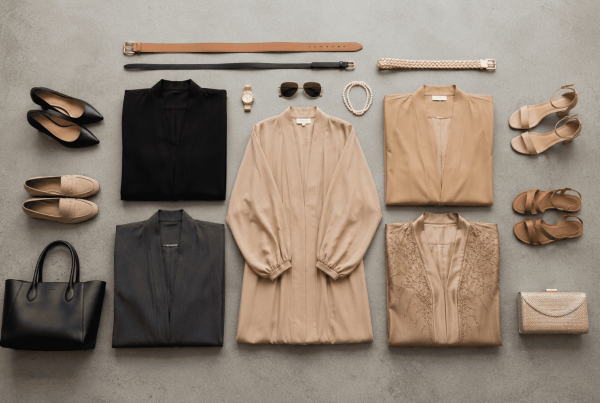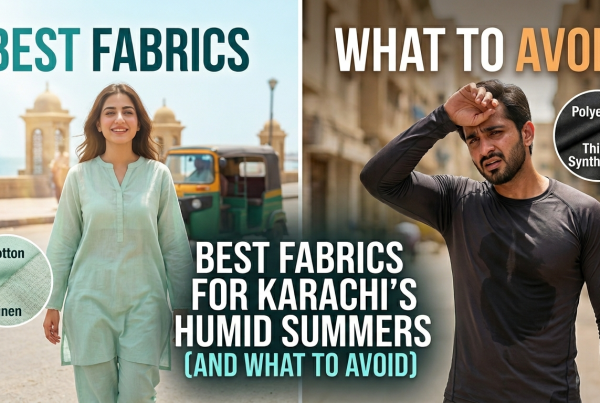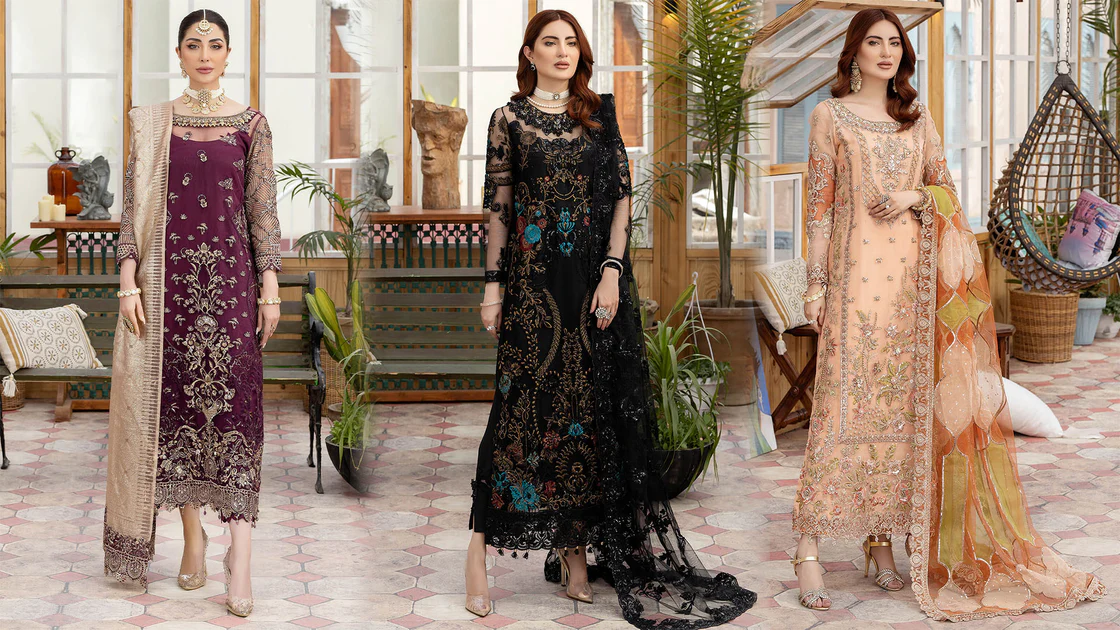
Every year, without fail, Eid sneaks up on me. One moment I’m making mental notes about what I want to wear, and the next, it’s two weeks to Eid and I’m at the fabric market in a near-panic, sweating under fluorescent lights and fighting over the last bolt of embroidered organza.
But here’s the thing — I genuinely love it. All of it. The planning, the fabric selection, the trips to the darzi, the moment you finally put the whole outfit together and it just works. Eid dressing is one of my favourite rituals of the year, and over many Eids, I’ve accumulated opinions, lessons, mistakes, and a few genuinely great outfit moments that I’m excited to share.
This isn’t a generic listicle. This is my personal, honest, experience-driven guide to Eid outfit ideas in 2026 — for women, men, and kids — with real reviews of what I’ve tried, what I’d recommend, and what I’d avoid.
Let’s get into it.
Eid Fashion Trends I’m Seeing in 2026
I pay close attention to what’s coming out of designer studios and what people are actually wearing — not just what’s on runways. Here’s what I genuinely think is defining Eid fashion in 2026:
1. Quiet Luxury Is Everywhere — and I’m Here for It
I’ve been saying for two years that the loud, heavily-embellished look was going to soften, and it finally has. What I’m seeing everywhere this Eid season is clean lines, tonal embroidery, and understated fabrics in ivory, stone, and dusty beige. I personally wore a muted sage green silk kurta with tilla work only on the neckline, and I got more compliments on that than on any maximalist outfit I’ve worn before.
2. Pastel Coordination, Not Matching
My family tried the full-matching-outfits thing a few years ago. It looked cute in photos but felt a bit costume-y in person. This Eid, we did something I’d seen gaining traction online — pastel-on-pastel coordination. Everyone wore a different soft tone (blush, lavender, powder blue, mint), and we looked cohesive without being identical. I loved it. I’ll never go back to full matching.
3. Fusion Silhouettes Are Now Mainstream
I was wearing fusion — kurta with wide-leg trousers, angrakha with palazzo pants — before it was trendy, and I’ll admit I felt a little smug when it became the dominant Eid look in 2026. It’s practical, it’s beautiful, and it bridges cultural heritage with modern aesthetics effortlessly.
4. Heavy Embellishment Is Back in a Big Way
After a few seasons of minimalism, the pendulum is swinging back. This year I noticed brands leaning into zardozi, gota patti, mirror work, and dense sequin embroidery. I personally find this gorgeous on others but slightly overwhelming on myself — though I did break my own rule and bought a heavily embellished sharara set that I don’t regret for a single moment.
5. Sustainable and Handwoven Fabrics Are Having a Moment
I’ve been genuinely moved by how many people I know consciously chose handwoven khadi, block-printed cotton, and naturally dyed fabrics this Eid. I did too, for one of my outfits — a hand block-printed cotton suit from a small artisan brand — and wearing it felt meaningful in a way that fast fashion simply doesn’t.
6. The Monochromatic Look
Head-to-toe single color dressing. I tried this for the first time this Eid and it was, without exaggeration, one of the easiest and best-looking outfit decisions I’ve made. All ivory, head to toe, with gold jewelry. Simple. Striking. Highly recommend.
My Eid Outfit Picks for Women
I’ve worn — or seriously considered wearing — every outfit on this list. Here’s my honest take on each.
1. The Embroidered Anarkali Suit — A Classic That Never Fails
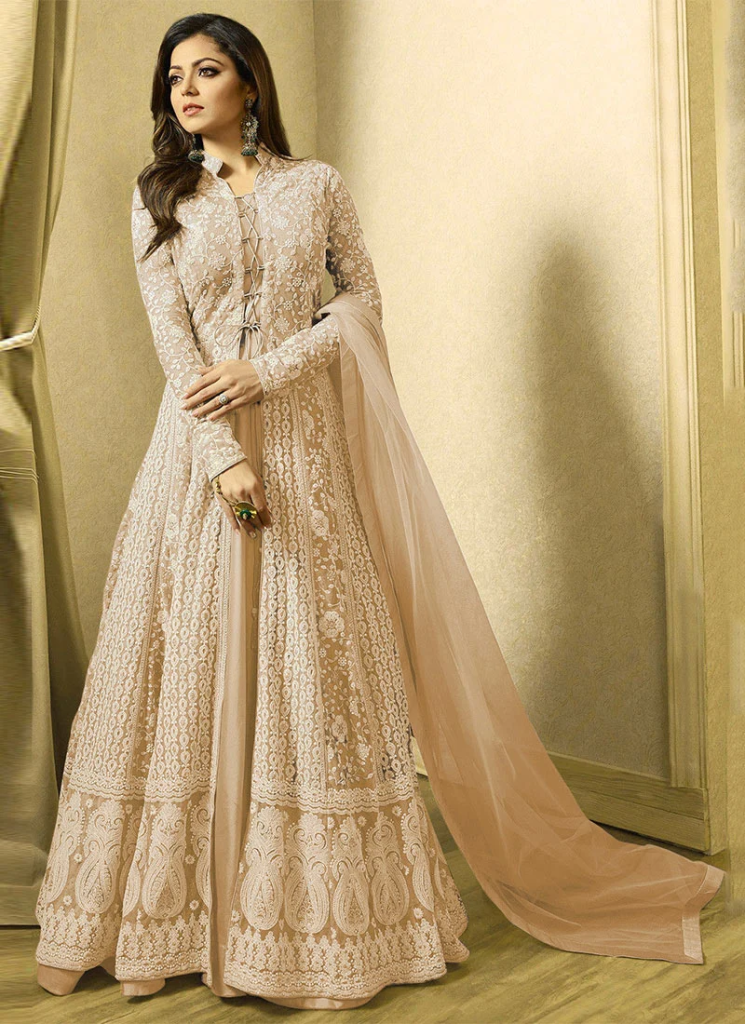
I’ve worn an Anarkali to Eid prayers more times than I can count, and I have zero regrets. There’s something about the flared silhouette that feels celebratory and elegant without being over the top. My go-to for 2026 has been silk Anarkalis with concentrated embroidery just on the yoke and cuffs, paired with a sheer organza dupatta.
My honest review: Timeless and foolproof. If you’re unsure what to wear, an Anarkali in a rich colour is never wrong. My only caveat — don’t go too heavy on fabric in summer heat. A georgette or tissue Anarkali breathes much better than velvet.
What I pair it with: Jhumkas, a potli bag, and block-heeled sandals that I can actually walk in.
2. The Sharara Suit — My Personal Favourite Right Now
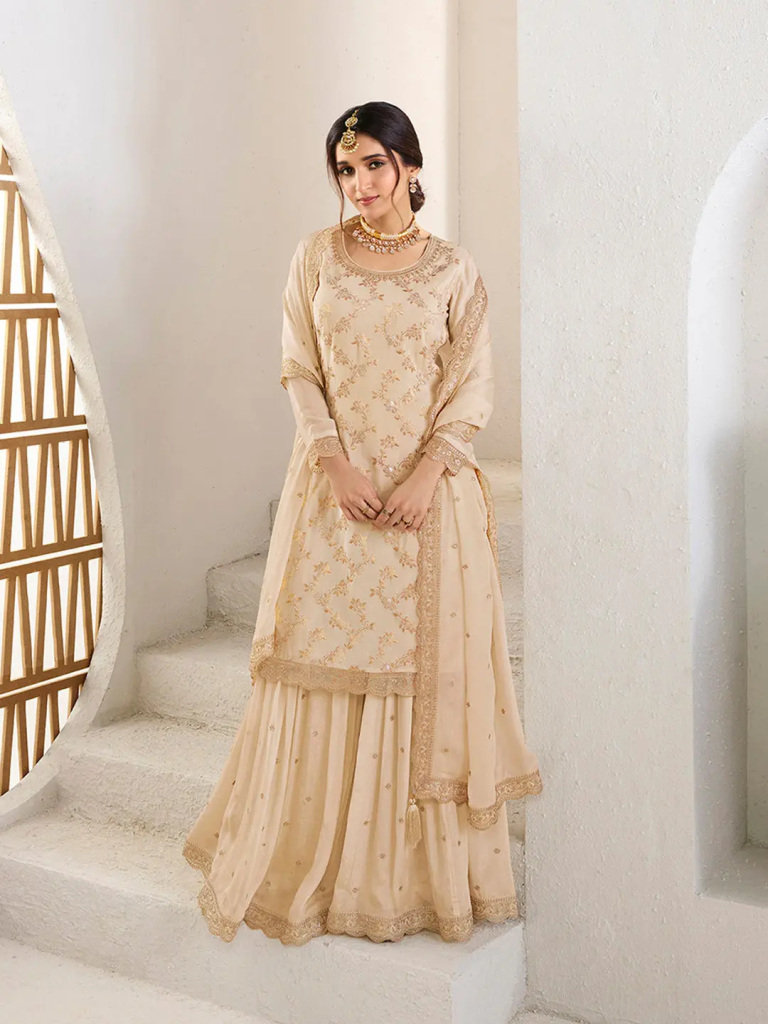
I resisted the sharara trend for an embarrassingly long time because I thought the wide, flared trousers would overwhelm my frame. I was completely wrong. I finally tried a deep emerald green silk sharara with a heavily embroidered short kurta this year, and I felt like an absolute queen.
My honest review: The sharara is dramatic, festive, and genuinely flattering on more body types than you’d expect — especially when the waistband sits at your natural waist. I’d absolutely recommend trying one if you haven’t. Just be prepared for it to take up the entire room (physically and in terms of attention).
What I pair it with: A single statement necklace — chandelier earrings and a necklace together feels too heavy with an already-statement outfit.
3. Pakistani Lawn Suit — My Eid Afternoon Staple
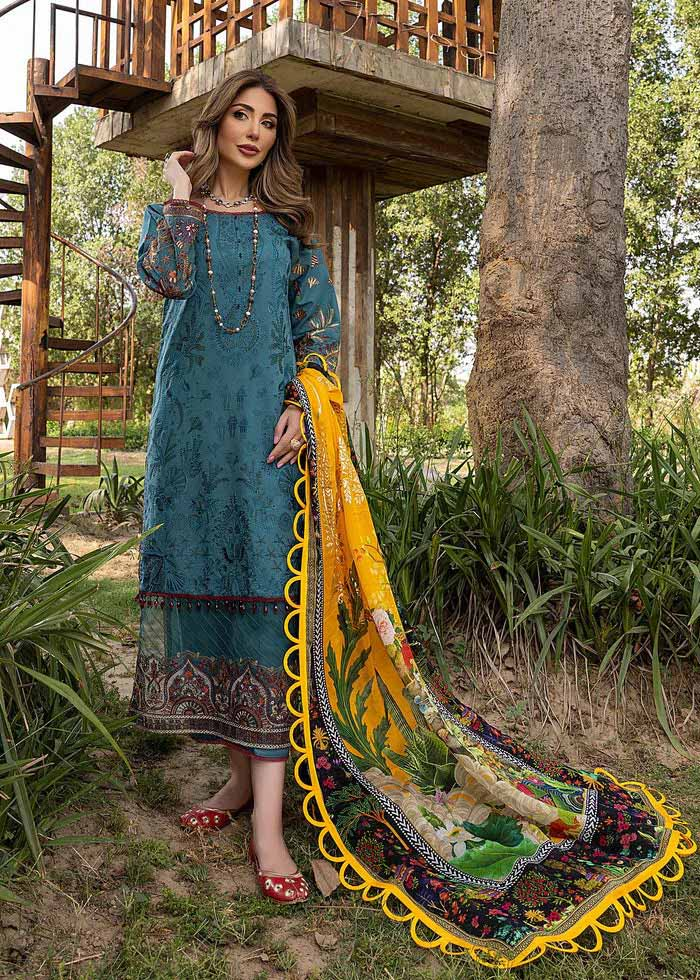
Hear me out: a premium embroidered lawn suit is not “casual.” In the right fabric and cut, a lawn suit is effortlessly elegant and infinitely more comfortable than most alternatives for a long Eid day spent visiting family in the heat.
I’ve tried collections from several brands over the years. My honest opinion: the mid-range to premium lawn — the kind with actual embroidery and fine printing, not the cheap digital print variety — is one of the best Eid investments you can make. I wore one to the afternoon round of family visits this year and was completely comfortable from noon to evening.
My honest review: Don’t underestimate a beautiful lawn suit. Pair it with good accessories and it looks intentional and polished. I’ve seen women in luxury lawn outshine women in heavy formals simply because the fit and styling were better.
4. The Modern Kaftan / Abaya — A Game Changer for Modest Dressing
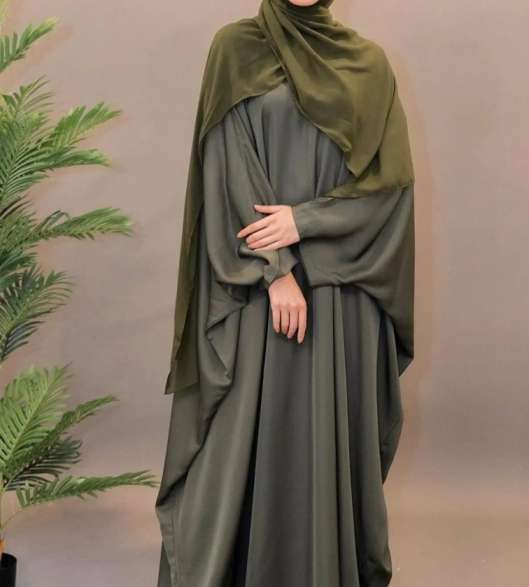
I’ve been wearing abayas and kaftans for years, and the quality and design of modest wear available in 2026 genuinely makes me emotional. What was once limited in silhouette and styling options is now a world of structured open-front abayas, butterfly-sleeved silk kaftans, and embellished modest-wear that rivals any couture piece.
My honest review: I wore a structured ivory abaya with hand-embroidered floral detailing on the sleeves this Eid and it’s now among my all-time favourite Eid outfits. The key, I’ve learned, is fit. A well-tailored abaya in a good fabric photographs beautifully and moves even better.
5. Organza Jacket Suit — When I Want to Look Effortlessly Overdressed
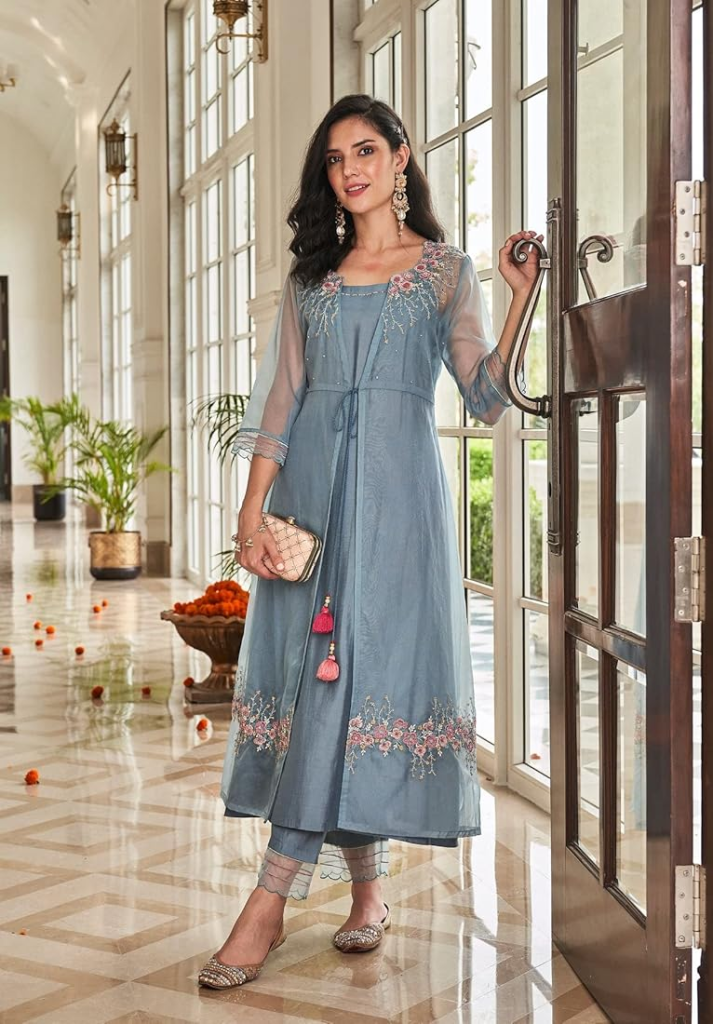
This is my “I want to look like I tried without looking like I tried” outfit. A plain kurta and pants elevated by a heavily embroidered organza jacket. The transparency of organza creates this magical layered effect that reads as incredibly luxurious even when the base pieces are simple.
My honest review: I bought an organza jacket two years ago and I have worn it over at least four different kurtas since. It’s genuinely one of the most versatile Eid investments I’ve made. The jacket does the heavy lifting and the rest is easy.
6. Lehenga Choli — For When Eid Has an Evening Event
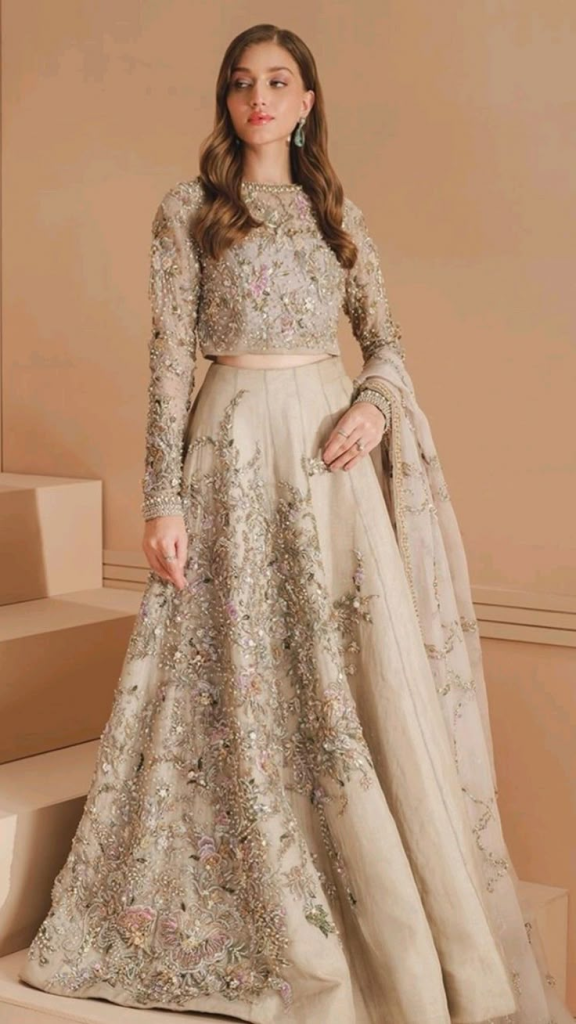
If Eid falls near a wedding or there’s a formal evening dinner, I pull out the lehenga. My current favourite is a rust and gold silk lehenga with a cropped embroidered blouse. It’s dramatic and joyful and feels like wearing celebration itself.
My honest review: Lehengas aren’t for everyone’s Eid day because they’re not the most practical. But for a dedicated evening Eid event, nothing else quite matches the impact. Just make sure your heels are manageable — I’ve learned that lesson the hard way.
Eid Outfit Ideas for Men (From Someone Who Dressed the Men in Her Family)
Over the years I’ve become the unofficial stylist for the men in my family. Here’s what I’ve learned from that experience — and what has actually worked.
1. The Shalwar Kameez — Non-Negotiable, But Details Matter
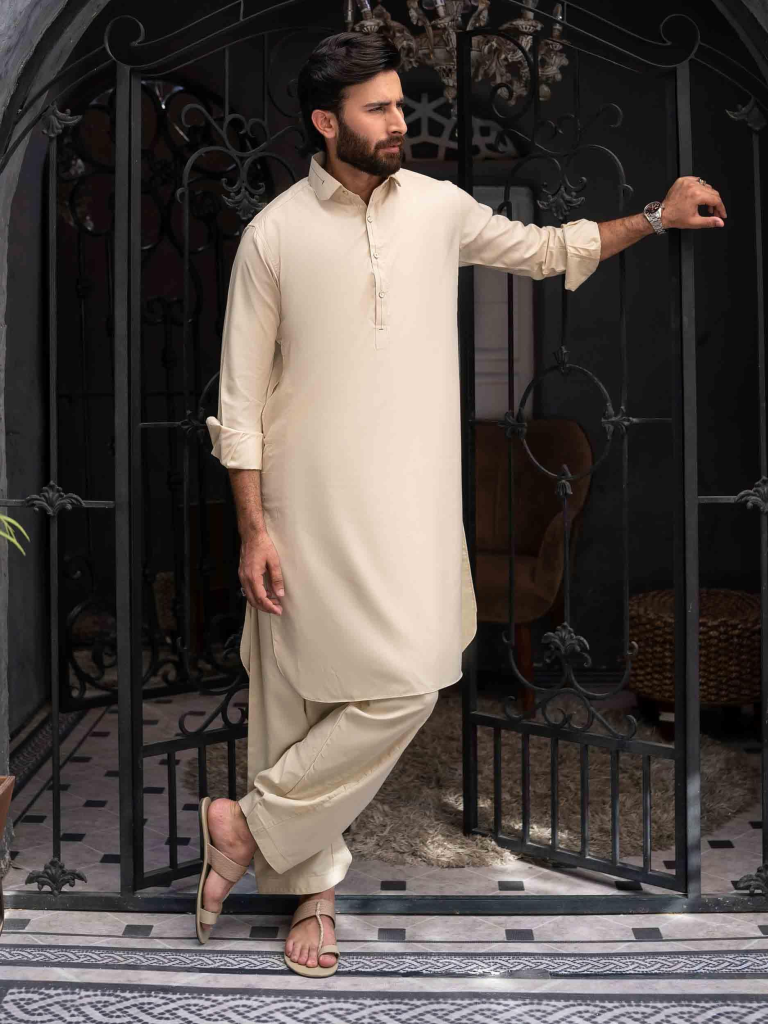
Every man in my family wears shalwar kameez for Eid. What separates a great Eid shalwar kameez from a forgettable one is fabric and fit. I cannot emphasize this enough: a beautifully cut shalwar kameez in quality fabric looks incomparably better than an ill-fitted one in expensive embroidery.
My recommendation for 2026: Opt for subtle texture — dobby, jacquard, or self-stripe — rather than heavy embellishment if the man in question is on the younger or more modern side. For older family members, a classic white or off-white cotton or silk kameez with simple embroidery on the neckline is elegant and traditional.
Colors I love on men this Eid: Sage green, powder blue, deep navy, off-white, and a beautiful muted terracotta that I convinced my brother to wear and he looked incredible.
2. The Sherwani — Reserved for Special Eid Moments
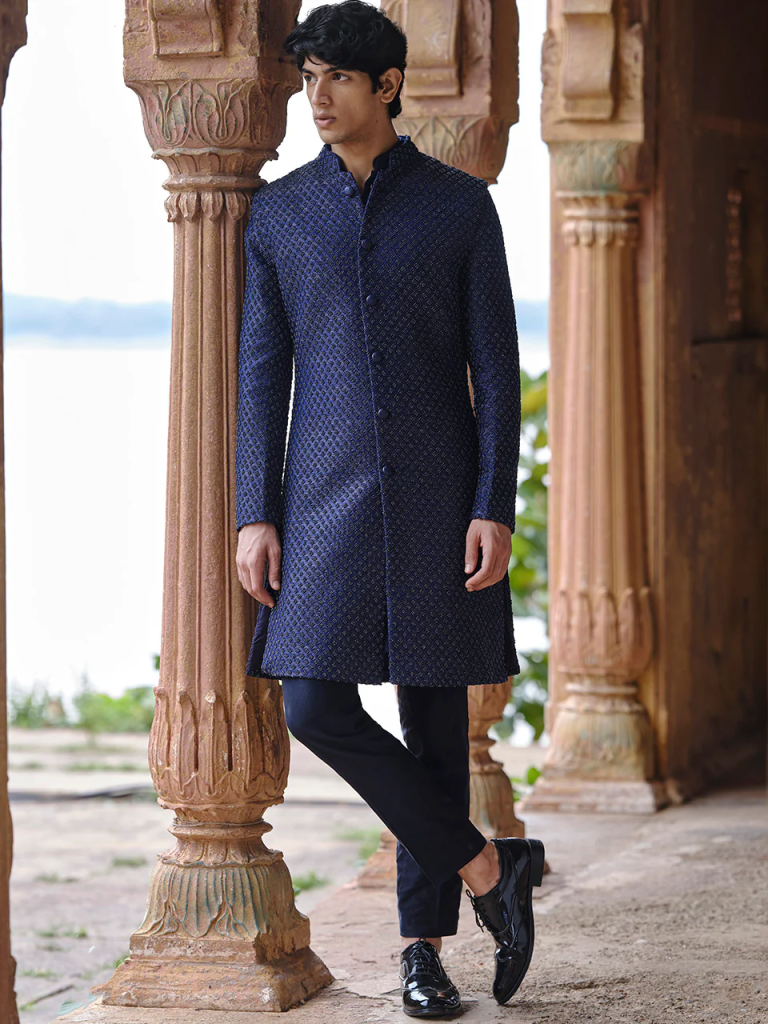
My husband wore a sherwani for the first time in years this Eid and the impact was remarkable. A sherwani commands a room in a way that a regular kurta simply doesn’t. For 2026, I love sherwanis in raw silk or Boski with minimal embroidery — the “quiet luxury” of men’s Eid fashion.
My honest advice: Please invest in good mojri shoes to complete a sherwani look. The combination of a beautiful sherwani with scuffed shoes or — and I say this with love — white sneakers, is heartbreaking.
3. Kurta with a Nehru Waistcoat — My Personal Favourite for Men
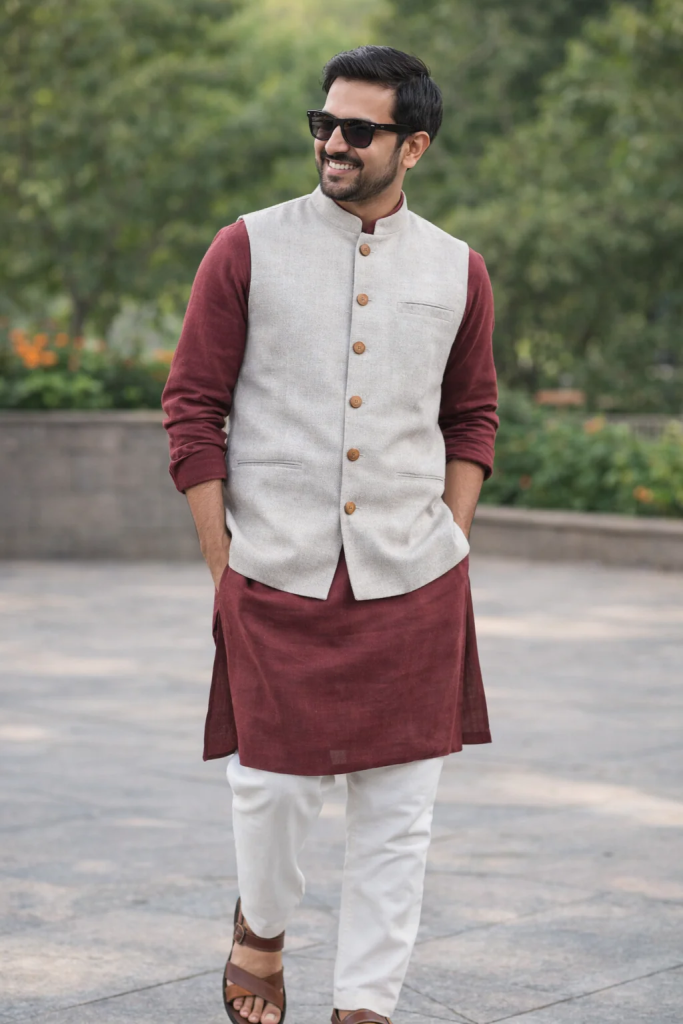
This is the look I push for when the men in my family resist the sherwani but I still want them to look dressed up. A plain or lightly embroidered Nehru waistcoat over a complementary kurta is sharp, elegant, and culturally rich. It also photographs beautifully.
4. Linen Kurta with Chinos — For the Modern Man
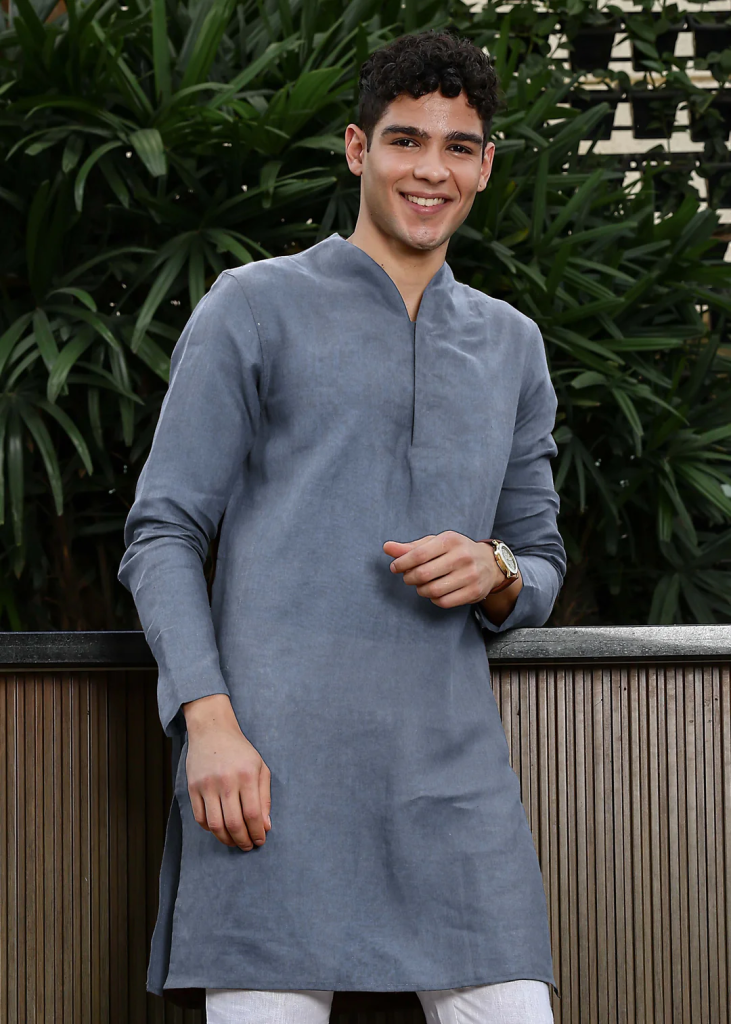
My younger brother refused to wear traditional shalwar this Eid and we compromised on a long linen kurta in dusty rose (yes, I chose the color; yes, he looked wonderful) with tailored beige chinos and leather loafers. It was genuinely a great look — modern, put-together, and still festive.
My honest take: This is a perfectly valid Eid outfit, and I’d encourage the men in your life to try it if they’re resistant to more traditional silhouettes.
What I Put the Kids in This Eid
Dressing kids for Eid is possibly the most delightful part of the whole exercise. Here’s what I’ve found actually works — both aesthetically and practically.
For Girls
My nieces wore coordinated but not matching outfits this Eid. The eldest (seven years old) was in a miniature sharara set in magenta and gold that she chose herself and refused to take off for approximately 48 hours. The younger one (four years old) wore a bright yellow silk frock with embroidered hem that was both adorable and practical for running around.
What I’ve learned about dressing little girls for Eid: Let them have some input in the color or style. A child who loves what she’s wearing will wear it with the kind of confidence that makes any outfit look better. Also — comfort is everything. Heavy, itchy fabrics ruin Eid for children.
For Boys
My nephews were in matching shalwar kameez sets in powder blue — one with a small embroidered topi, the other who refused to wear any headwear regardless of my best efforts. They looked adorable either way. For boys, I always prioritize a good fabric that doesn’t scratch and a proper fit — baggy shalwar on a small child looks sloppy, not traditional.
The Color Palette I Swear By for Eid
I’ve worn a lot of colors to Eid over the years, and I’ve formed some strong opinions.
| Color | My Personal Take | Who It Works Best For |
|---|---|---|
| Ivory / Off-White | My top pick. Always elegant, always photographs beautifully. | Everyone, every age |
| Sage Green | Underrated. Earthy and sophisticated. | Men and women equally |
| Dusty Rose / Blush | Romantic and soft. My go-to for a gentle, feminine look. | Women and girls |
| Royal Blue | Bold and regal. A great contrast with gold jewelry. | Men and women |
| Emerald Green | Rich and festive. One of my personal favourites. | Women — stunning at any age |
| Rust / Burnt Orange | Warm and unexpected. Very 2026. | Women who want to stand out |
| Powder Blue | Fresh and clean. My top pick for boys. | Men and boys |
| Mustard Yellow | Joyful and bright. Harder to pull off but spectacular when it works. | Women and girls |
| Deep Maroon | Classic and dignified. Never goes out of style. | Men — particularly distinguished |
| Lavender | Soft and dreamy. A rising star in Eid palettes. | Women and girls |
My personal advice on color: Stop defaulting to what’s “safe.” I spent years wearing muted tones because I was afraid of standing out. The year I wore a full emerald green sharara was the year I stopped being afraid of color and started genuinely having fun with Eid fashion. Wear what makes you feel alive.
Fabrics That Worked — and a Few That Didn’t
This section comes from years of personal experience, including some expensive mistakes.
Fabrics I Genuinely Love
Pure Silk — There is nothing like it. The way it catches light, the way it moves, the weight of it. Every time I invest in a pure silk Eid outfit I feel the difference immediately. It’s worth saving up for.
Organza — I have an almost unreasonable love for organza. The sheer quality, the way it layers, the rustle when you walk. My most complimented Eid outfits have always involved organza somewhere.
Lawn (Premium Grade) — I was a lawn skeptic for years, associating it with casual, everyday wear. A premium embroidered lawn changed my mind entirely. It’s the perfect daytime Eid fabric.
Linen — Underrated for festive wear, particularly for men. Breathable, textured, and naturally elegant.
Fabrics I’ve Had Issues With
Cheap Polyester — I bought a polyester suit at a sale once because the print was gorgeous. I sweated through the Eid prayers, felt uncomfortable all day, and the suit pilled after one wash. Never again. Check your fabric content.
Very Heavy Velvet in Summer — Gorgeous on camera, miserable in person in warm weather. If you live somewhere hot and you’re celebrating Eid in summer months, save velvet for evening or air-conditioned settings only. I learned this lesson while sitting in a very warm, very crowded relative’s house feeling like I was slowly melting.
Net Without Lining — Net overlays look beautiful, but please make sure your outfit has proper lining underneath. An unlined net outfit is a category of Eid disaster I will not describe further.
Accessories That Completed My Look
My Go-To Jewelry for Eid
I’ve simplified my Eid jewelry philosophy considerably over the years. I used to pile on everything — necklace, earrings, bangles, maang tikka, the works. Now I pick one statement piece and let it lead.
For heavy outfits (shararas, lehengas, heavily embroidered suits): I wear large jhumkas or chandbalis and skip the necklace entirely. The earrings frame the face and that’s enough.
For simpler outfits (silk kurtas, fusion suits, abayas): I lean into a statement necklace — layered chains, a kundan piece, or a bold collar — and keep earrings small.
My most-worn Eid jewelry: A pair of gold jhumkas I’ve had for six years. Some investments last.
Bags
I’ve moved almost entirely to embroidered potli bags and velvet clutches for Eid. They’re festive, they’re functional enough for a phone and some cash, and they photograph beautifully. I have three that I rotate — ivory with pearl embroidery, emerald green velvet, and a deep maroon with gold thread work.
Shoes
The honest truth about Eid shoes: You will walk more than you think. You will stand in the sun. You will navigate uneven flooring at someone’s house. Please, please choose shoes you can actually wear comfortably.
My best Eid shoe decisions have been embroidered khussas (mojris) — beautiful, culturally appropriate, comfortable after breaking in, and they look stunning with traditional outfits. My worst Eid shoe decisions have involved very high, very thin heels.
Budget Eid Dressing: What I Actually Did
I’ve had Eids where I had a generous budget and Eids where I had almost none. Here’s what I’ve genuinely done to dress beautifully on a tight budget:
I shopped local fabric markets instead of branded stores. The same quality of fabric available at a premium brand store is often available at your local fabric market for a fraction of the price. I’ve found exquisite embroidered fabric in local markets that I’d never have found on a branded rack.
I found a good local tailor and stuck with her. A skilled tailor who knows your measurements and your taste is worth more than any brand label. My tailor has been stitching my Eid outfits for years and the fit is always better than anything ready-to-wear.
I accessorized strategically. A simple, well-fitted outfit in a good fabric elevated by great jewelry and shoes can outperform an expensive, poorly-styled outfit every time. I’ve spent more on accessories than on fabric in some years and not regretted it.
I repurposed and restyled. I have a silk kurta I’ve worn to Eid three times — each time with a completely different dupatta, different shoes, and different jewelry. Nobody has noticed it’s the same kurta. Versatile basics are the backbone of a smart Eid wardrobe.
Splurging on Eid: Was It Worth It?
Yes. Sometimes. Let me be honest.
The most expensive Eid outfit I’ve ever bought was a hand-embroidered pure silk Anarkali from a designer I’d admired for years. It cost more than I was comfortable admitting to my husband. I have worn it twice. I would buy it again without hesitation.
The second most expensive Eid outfit I bought was a heavily embellished lehenga that I wore once and found too impractical for anything beyond one very specific formal evening event. I don’t regret it, but I wouldn’t prioritize it again.
My honest advice on splurging for Eid: Invest in pieces that have a longer life — a quality silk kurta that works across occasions, a designer dupatta that elevates everything you own, a perfectly tailored sherwani that you’ll wear again. Don’t spend big on something so seasonal or occasion-specific that it has no life beyond one event.
Where I think it’s worth spending more:
- Pure silk fabric (the difference in quality is immediately apparent)
- A beautifully crafted, well-fitted sherwani for men
- Hand-embroidered pieces — the craftsmanship has genuine value
- Good shoes that won’t destroy your feet
My Top Styling Tips After Many Eids
These are the things I wish someone had told me at my first Eid as someone old enough to dress herself.
Start planning earlier than you think you need to. The best fabrics sell out. Good tailors fill up. I now start thinking about Eid outfits at least a month in advance, and I shop fabric at least three weeks before.
Dress for the full day, not just the photos. Eid is long. You’re at prayers in the morning, at your parents’ by noon, at your in-laws by afternoon, and at a dinner by evening. Plan for endurance, not just the Instagram moment.
Steam or iron everything the night before. I can’t tell you how many Eid mornings I’ve wasted trying to get wrinkles out of a silk kurta at 8am. The night before. Always.
Wear your outfit at least once before Eid. Try everything on together — outfit, shoes, accessories, dupatta style — at least a few days before. You’d be surprised how many small disasters (too-tight waistband, shoes that rub, dupatta that won’t stay pinned) you can avoid this way.
Comfort is not the enemy of elegance. I spent years prioritizing looking good over feeling good at Eid, and it made me a less joyful version of myself on one of the most joyful days of the year. The best Eid outfit is one you feel genuinely good in.
Questions I Get Asked Every Eid
Q: What’s the single best Eid outfit investment you’d recommend? A pure silk kurta in a classic color — ivory, emerald, or deep blue. It works styled up with heavy embellishments and dressed down with simple jewelry. It photographs beautifully at every Eid for years.
Q: What do you actually wear to Eid prayers? Something modest, comfortable, and put-together. For prayers, I gravitate toward a simple, clean shalwar kameez in a light color — usually white or ivory — with a properly pinned dupatta. It feels right spiritually and practically.
Q: Are matching family outfits worth it? Matching has its charm but coordination is better in my experience. Pick a color family, let everyone wear their preferred shade from that palette, and you’ll get beautiful photos without the costume feeling.
Q: How do I get the most out of an Eid outfit on a budget? Invest in fabric quality over brand name, find a skilled local tailor, and focus your spending on two or three great accessories. A beautiful outfit doesn’t need a designer tag to look expensive.
Q: What colors photograph best for Eid? Saturated, rich colors — emerald, royal blue, deep maroon, burnt orange — photograph beautifully outdoors. Ivory and off-white are stunning in any setting. Very pale pastels can wash out in bright sunlight.
Q: What do you do with Eid outfits after Eid? I keep everything that still fits and has versatile styling potential. A good kurta can be worn to a dinner or a nikah. A dupatta can be restyled. I donate what no longer serves me and try not to buy anything so trend-specific that it has no life beyond one Eid season.
My Final Word
After so many Eids of dressing up, stressing out, hunting through fabric markets, sitting in tailors’ waiting rooms, and having last-minute accessory crises — I can tell you with complete sincerity that the process is one of my favourite things about the occasion.
There is something deeply beautiful about the ritual of choosing what to wear for Eid. It’s an act of care — for yourself, for the people you’re celebrating with, and for the traditions that connect us across generations. Whether you’re wearing a couture hand-embroidered sharara or a perfectly pressed cotton shalwar kameez your tailor has stitched for the third year running, you are participating in something meaningful.
My best advice is simply this: wear something that makes you feel joyful. Because at the end of the day, the most memorable Eid outfit I’ve ever worn wasn’t the most expensive one or the most embellished one. It was the emerald green silk kurta I wore the Eid my first niece was born — the year everything felt like a gift. The outfit just happened to look beautiful in the photos.
Dress with intention. Dress with joy. And dress comfortably enough to actually enjoy every moment.
Eid Mubarak — from my wardrobe to yours!