Eid is one of the most joyous and significant celebrations in the Islamic calendar, marking the end of Ramadan (Eid al-Fitr) or commemorating Prophet Ibrahim’s willingness to sacrifice (Eid al-Adha). For Muslims worldwide, Eid is not just a religious observance but a cherished cultural celebration filled with prayers, family gatherings, festive meals, gift-giving, and of course—dressing up in your absolute best.
As we approach 2026, the world of Eid fashion continues to evolve, blending timeless tradition with contemporary trends, sustainable practices, and innovative designs. Whether you’re searching for the perfect Eid dress for yourself, shopping for your family, or simply exploring the latest trends, this comprehensive guide has everything you need.
We’ll explore the hottest Eid dress trends for 2026, provide style guidance for women, men, and children, offer practical shopping advice, discuss color palettes and fabrics, and help you navigate everything from traditional to fusion styles. By the end of this guide, you’ll be fully prepared to celebrate Eid 2026 in style, comfort, and confidence.
Note: This guide focuses on Eid fashion for 2026, incorporating predicted trends based on current fashion trajectories, cultural evolution, and designer previews. Actual collections will launch in early 2026 (typically January-March for Eid al-Fitr).
Understanding Eid Fashion: Cultural Significance and Modern Evolution
Why Eid Dressing Matters
In Islamic culture, dressing beautifully for Eid is encouraged and has religious significance. The Prophet Muhammad (peace be upon him) emphasized wearing one’s best clothes for Eid prayers and celebrations. This tradition has evolved into a cherished aspect of Eid celebrations worldwide.
Cultural Significance:
- Religious Observance: Showing gratitude through beautiful presentation
- Community Pride: Representing family and community well
- Celebration: Marking special occasion with special attire
- Renewal: Starting fresh after Ramadan
- Unity: Shared experience of dressing up brings community together
The Evolution of Eid Fashion
Traditional Era (Pre-2000s):
- Primarily traditional ethnic wear
- Region-specific styles dominant
- Limited commercialization
- Handmade and tailored pieces
- Conservative styling
Transition Era (2000s-2010s):
- Designer Eid collections emerge
- Brand marketing around Eid
- Mix of traditional and modern
- Ready-to-wear becomes popular
- Online shopping begins
Modern Era (2020s-Present):
- Fusion styles mainstream
- Global Muslim fashion industry
- Sustainable fashion focus
- Digital-first shopping
- Influencer-driven trends
- Size inclusivity
- Tech-integrated shopping
2026 Projection:
- AI-personalized styling
- Virtual try-on standard
- Sustainable materials norm
- Modest luxury mainstream
- Global fusion aesthetics
- Inclusive sizing standard
- Rental and resale normalized
Top Eid Dress Trends for 2026
Based on fashion week previews, designer collections, and evolving consumer preferences, here are the predicted top trends for Eid 2026.
Trend 1: Sustainable Luxury
What It Is: The biggest shift in Eid fashion for 2026 is the marriage of luxury aesthetics with sustainable practices. Conscious consumers want beautiful, high-quality pieces without environmental guilt.
Key Features:
- Organic fabrics: Certified organic cotton, bamboo silk, peace silk
- Natural dyes: Plant-based colors, eco-friendly printing
- Ethical production: Fair trade, artisan collaboration, transparent supply chains
- Longevity focus: Investment pieces designed to last years
- Upcycled elements: Vintage fabrics reimagined, deadstock utilization
- Local craftsmanship: Supporting traditional artisans and techniques
Why It’s Trending:
- Growing environmental awareness
- Muslim values align with sustainability
- Younger generation demands ethics
- Luxury brands embracing green practices
- Social media accountability
How to Embrace:
- Choose brands with sustainability certifications
- Invest in quality over quantity
- Support local artisans and small brands
- Consider rental for one-time wear
- Repurpose previous Eid outfits with new styling
Price Range: $80-500+ (sustainable doesn’t mean cheap, but means ethical)
Trend 2: Maximalist Embellishments
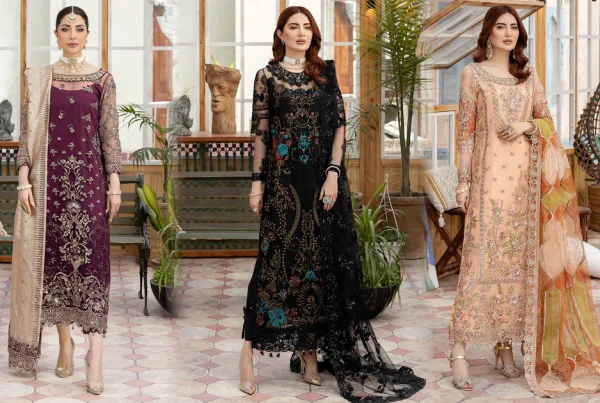
What It Is: After years of minimalism, 2026 sees a return to unapologetically ornate, heavily embellished Eid wear. Think intricate embroidery, dimensional florals, mirror work, and statement-making details.
Key Features:
- 3D embellishments: Raised florals, dimensional beading, textured surfaces
- Extensive embroidery: All-over work, not just borders
- Mixed techniques: Combining zardozi, gota, sequins, threadwork
- Mirror work revival: Traditional shisha work in modern applications
- Pearl embellishments: Delicate pearl work and beading
- Tassel and fringe details: Movement and dimension
- Statement sleeves: Heavily embellished dramatic sleeves
Why It’s Trending:
- Celebration calls for celebration
- Post-pandemic “revenge dressing”
- Instagram and social media appeal
- Return to craft appreciation
- Desire to stand out
How to Embrace:
- Balance heavy embellishment with simple silhouettes
- Let embellished pieces be the focal point
- Keep accessories minimal with heavy embellishment
- Choose embellishment colors that complement skin tone
- Consider comfort—heavily embellished pieces can be heavy
Price Range: $150-800+ (craftsmanship has value)
Trend 3: Color-Blocking and Bold Contrasts
What It Is: Moving away from monochrome, 2026 embraces bold color combinations, unexpected pairings, and artistic color-blocking in Eid outfits.
Key Features:
- Complementary contrasts: Orange and blue, pink and green, purple and yellow
- Triadic color schemes: Three colors equally spaced on color wheel
- Ombre transitions: Gradual color shifts within one garment
- Color-blocked panels: Geometric sections in different colors
- Contrasting borders: Bold border colors against base fabric
- Mix-pattern blocking: Combining prints with solid color blocks
Popular Combinations for 2026:
- Fuchsia + Emerald + Gold
- Turquoise + Coral + Cream
- Royal Blue + Saffron + Silver
- Lavender + Mint + Blush
- Burgundy + Mustard + Ivory
Why It’s Trending:
- Dopamine dressing influence
- Artistic expression
- Standing out in photos
- Youth-driven bold choices
- Digital content creation (photos/videos)
How to Embrace:
- Start with two-color combinations if nervous
- Use color theory (complementary, analogous, triadic)
- Let one color dominate, others accent
- Balance bold colors with neutral accessories
- Test combinations against your skin tone
Price Range: $60-400 (varies by brand and quality)
Trend 4: Modern Minimalism
What It Is: The counterpoint to maximalism—clean lines, subtle elegance, monochromatic sophistication, and understated luxury define this trend.
Key Features:
- Clean silhouettes: Simple, architectural cuts
- Monochrome palettes: Single color in various shades
- Subtle embellishments: Minimal, strategic placement
- Quality fabrics: Luxury in material, not decoration
- Perfect tailoring: Fit is the focus
- Negative space: Strategic use of minimalism
- Tonal embroidery: Same-color embroidery for texture
Color Choices:
- All white or cream
- Tonal grays
- Monochrome pastels
- Single jewel tone
- Black (modern take)
- Beige and neutrals
Why It’s Trending:
- Timeless investment appeal
- Sophisticated elegance
- Professional women’s preference
- Versatility for multiple occasions
- Age-appropriate for mature women
- Sustainable (won’t look dated)
How to Embrace:
- Invest in impeccable tailoring
- Choose luxurious fabrics (silk, fine cotton, linen)
- Let quality speak over quantity
- Style with statement jewelry
- Perfect makeup and hair (polish matters)
- Confidence is key accessory
Price Range: $100-600+ (quality fabrics and tailoring cost)
Trend 5: Contemporary Fusion
What It Is: East meets West in innovative ways—traditional elements reimagined with modern silhouettes, Western cuts with Eastern embellishments, and global modest fashion fusion.
Key Features:
- Kaftan-dress hybrids: Comfort meets style
- Jumpsuit kurtas: Palazzo jumpsuits with kurta elements
- Cape-style kurtas: Western cape over traditional kurta
- Dhoti pants with Western tops: Mixed heritage styling
- Blazer-sherwani fusion: Structured jacket meets traditional embroidery
- Asymmetric cuts: Modern hemlines on traditional pieces
- Deconstructed traditional wear: Taking apart and rebuilding classics
Popular Fusion Pieces:
- Kurta-dress (Western dress length and cut, kurta details)
- Sherwani jacket (can wear with jeans or traditional)
- Cape-lehenga (attached cape instead of dupatta)
- Culottes-gharara (modern wide-leg meets traditional)
- Shirt-kurta (formal shirt styling with kurta length)
Why It’s Trending:
- Global Muslim diaspora
- Modern lifestyle needs
- Versatility beyond Eid
- Comfortable yet festive
- Younger generation preferences
- Crossover styling opportunities
How to Embrace:
- Start with one fusion element
- Keep traditional if important to family
- Ensure modesty maintained
- Balance Eastern and Western elements
- Make it your own style
Price Range: $70-450 (designer fusion costs more)
Trend 6: Metallic Magic
What It Is: Metallics move beyond gold and silver to include rose gold, copper, bronze, and even metallic colors like pewter and gunmetal. Metallic fabrics, threads, and embellishments dominate.
Key Features:
- Metallic fabrics: Tissue, lamé, metallic organza
- Mixed metal embellishments: Gold, silver, copper in one piece
- Holographic elements: Iridescent and color-shifting materials
- Metallic prints: Printed metallic patterns
- Foil work: Metallic foil applications
- Sequin gradients: Ombre metallic sequins
- Metal thread embroidery: Zari work in modern patterns
Metallic Colors for 2026:
- Rose gold (still strong)
- Copper and bronze (warm tones)
- Silver and platinum (cool elegance)
- Gold (classic choice)
- Gunmetal and pewter (modern edge)
- Champagne (subtle luxury)
Why It’s Trending:
- Festive and celebratory
- Photographs beautifully
- Luxurious appearance
- Light-catching appeal
- Works with many color palettes
How to Embrace:
- Full metallic or metallic accents (both work)
- Mix metals confidently
- Balance with matte textures
- Consider skin undertones (warm vs cool metals)
- Evening wear especially suited
Price Range: $80-550+ (metallic fabrics often premium)
Trend 7: Artisanal Revival
What It Is: Traditional craft techniques experience renaissance—hand-block printing, natural dyeing, hand embroidery, and regional craft traditions celebrated and preserved through fashion.
Key Features:
- Hand-block prints: Ajrakh, Bagru, Kalamkari, Dabu
- Regional embroidery: Phulkari, Kashida, Chikankari, Zardozi
- Handloom fabrics: Khadi, handwoven cotton, silk
- Natural dyes: Indigo, madder, turmeric-based colors
- Artisan collaborations: Designer-artisan partnerships
- Heritage techniques: Bandhani, Ikat, Patola
- Storytelling pieces: Each piece tells cultural story
Regional Crafts in Focus:
- Pakistani: Sindhi embroidery, Balochi needlework
- Indian: Lucknowi chikan, Kashmiri kashida
- Middle Eastern: Palestinian tatreez, Syrian embroidery
- African: Ankara prints in modest fashion
- Indonesian/Malaysian: Batik techniques
Why It’s Trending:
- Cultural preservation
- Uniqueness (handmade means one-of-a-kind)
- Supporting artisan communities
- Authenticity value
- Stories behind pieces
- Sustainable practices
How to Embrace:
- Research craft heritage
- Buy from artisan cooperatives
- Invest in handmade pieces
- Learn about techniques
- Share stories of your pieces
- Support fair trade
Price Range: $100-700+ (handmade justifies higher prices)
Trend 8: Soft Pastels and Powder Colors
What It Is: Soft, dreamy pastels and powder colors dominate 2026 palettes—think candy-colored sophistication, not baby tones.
Key Colors:
- Powder blue: Soft, sophisticated sky tones
- Blush pink: Romantic, gentle rose
- Mint green: Fresh, modern green
- Lavender: Soft purple sophistication
- Peach: Warm, glowing tones
- Lilac: Delicate purple-pink
- Powder yellow: Soft sunshine
- Dusty rose: Muted pink elegance
Why It’s Trending:
- Flattering on many skin tones
- Feminine and elegant
- Photo-friendly
- Spring/summer Eid perfect
- Romantic aesthetic
- Modern take on tradition
How to Embrace:
- Monochromatic pastel looks
- Pastel base with metallic embellishments
- Mix multiple pastels
- Contrast with deep jewelry colors
- Perfect for daytime Eid events
Price Range: $50-400 (accessible in all price points)
Eid Dresses for Women 2026: Complete Style Guide
Shalwar Kameez: Modern Interpretations
The timeless shalwar kameez gets fresh updates for 2026.
Classic with Twist:
- Asymmetric hemlines: High-low, angled, side cuts
- Cape-style dupattas: Attached capes instead of traditional dupatta
- Palazzo shalwar: Wide-leg palazzo style instead of traditional
- Jacket layering: Adding structured jacket over kameez
- Shirt-collar details: Formal shirt elements in kurta
Trending Styles:
- Straight-cut with cape: Floor-length straight kurta with attached cape
- A-line with heavy border: Classic A-line with ornate hem
- Peplum kurta: Modern peplum detail at waist
- Shirt-style with embroidery: Formal shirt tailoring, festive embellishment
- Asymmetric kurta: Diagonal or layered hemlines
Fabric Choices:
- Luxury lawn for summer Eid
- Silk for elegant drape
- Organza for structure
- Velvet for winter Eid
- Cotton silk for comfort
Color Trends:
- Ombre dyed sets
- Color-blocked kameez
- Monochrome with metallic work
- Pastels with gold
- Jewel tones
Price Range: $50-400
- Budget: $50-100 (local brands, printed)
- Mid-range: $100-250 (established brands, embroidered)
- Premium: $250-400+ (designer, heavy work)
Lehenga Choli: Statement Celebration Wear
For maximum festivity and special Eid celebrations.
2026 Lehenga Trends:
- Crop-top style choli: Modern, youthful styling
- Cape-lehengas: Structured cape replaces dupatta
- Sharara-lehenga hybrids: Flared sharara meets lehenga
- Jacket-lehengas: Tailored jacket over lehenga-choli
- Minimalist lehengas: Simple silhouette, quality fabric
Embellishment Trends:
- All-over sequin work
- 3D floral appliqués
- Mixed metallic embroidery
- Geometric modern patterns
- Vintage-inspired zardozi
Color Combinations:
- Pink lehenga + gold choli
- Emerald + silver + ivory
- Royal blue + rose gold
- Burgundy + copper + cream
- Mint + coral + gold
When to Wear:
- Eid parties and dinners
- First day of Eid (some cultures)
- Family photo sessions
- Special celebrations
- Wedding-adjacent Eid events
Price Range: $150-1000+
- Budget: $150-300 (simple, minimal work)
- Mid-range: $300-600 (good embroidery)
- Premium: $600-1000+ (designer, heavy work)
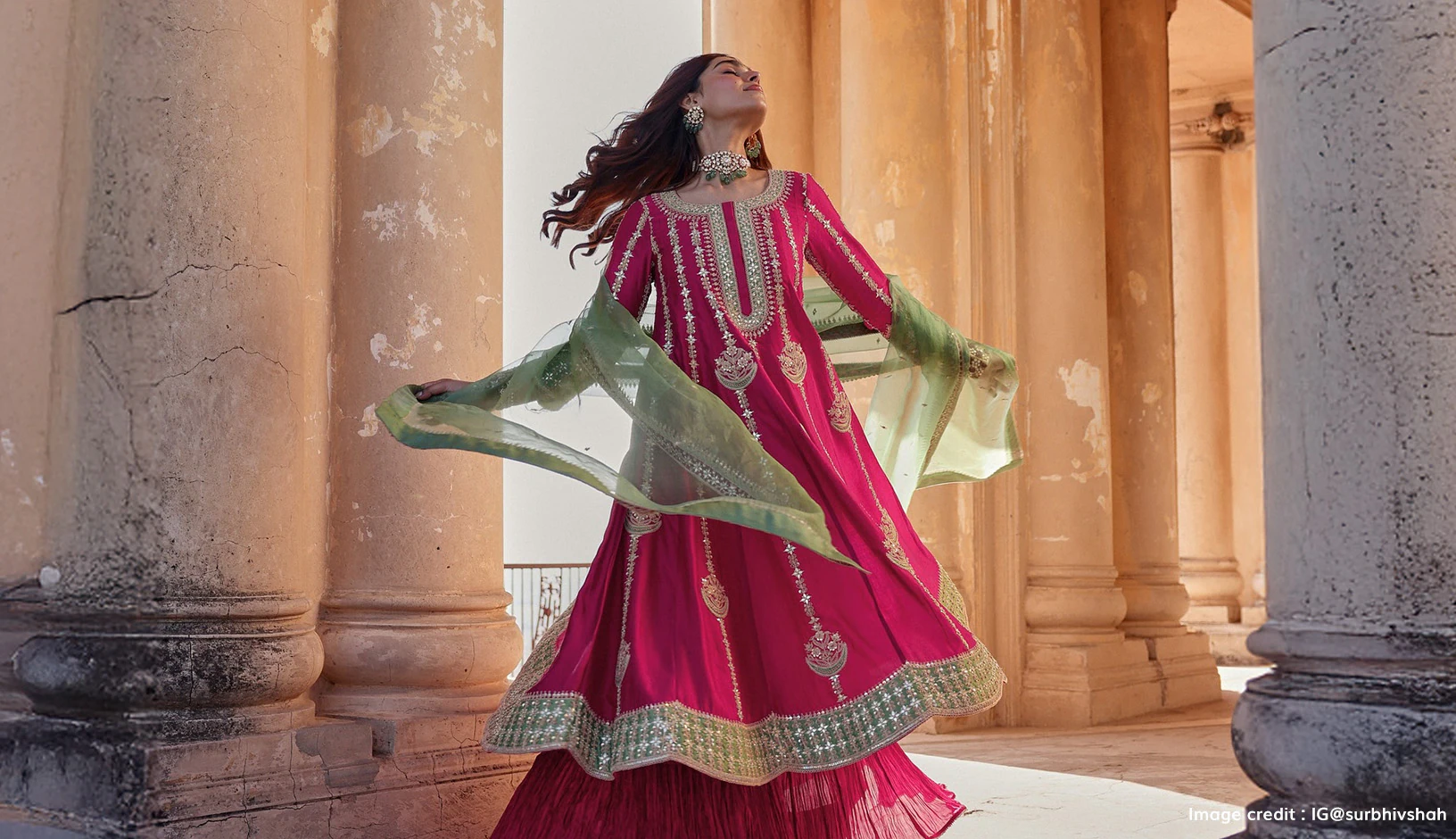
Anarkali Suits: Graceful Elegance
Flowing, feminine, and eternally elegant.
Modern Anarkali Updates:
- Floor-length with slits: Modern edge on classic
- Jacket-style Anarkali: Structured jacket-like top
- Asymmetric Anarkali: Uneven hemlines
- Cape-back Anarkali: Dramatic cape attached at back
- Minimalist Anarkali: Clean lines, simple elegance
Popular Lengths:
- Floor-length (most formal)
- Ankle-length (versatile)
- Mid-calf (modern, practical)
Ideal For:
- All body types (universally flattering)
- All age groups
- Comfortable elegance
- Day and evening wear
Styling Tips:
- Churidar or straight pants underneath
- Dupatta draped simply (or skip for modern look)
- Statement earrings (neck is highlighted)
- Minimal necklace (or none)
- Comfortable heels or flats
Price Range: $60-500
- Budget: $60-150
- Mid-range: $150-300
- Premium: $300-500+
Saree: Timeless Sophistication
The six-yard wonder remains relevant with modern styling.
Contemporary Saree Styles:
- Pre-stitched sarees: Easy-wear, no draping needed
- Ruffle sarees: Modern ruffled borders
- Cape-sarees: Attached cape for contemporary look
- Belt-draped sarees: Cinched with statement belt
- Dhoti-style sarees: Pant-style draping
Trending Saree Fabrics:
- Silk (timeless elegance)
- Organza (modern structure)
- Chiffon (flowing grace)
- Georgette (easy drape)
- Tissue (metallic glamour)
Modern Blouse Styles:
- Off-shoulder (modest with dupatta)
- Cape-sleeve
- Peplum style
- Corset-inspired
- Shirt-collar
Best For:
- Mature women
- Traditional families
- Formal Eid prayers
- Cultural appreciation
- Elegant presentation
Price Range: $80-800+
- Budget: $80-200 (synthetic, simple)
- Mid-range: $200-400 (silk, embroidered blouse)
- Premium: $400-800+ (designer, heavy work)
Maxi Dresses and Abayas: Modern Modesty
Contemporary cuts with full coverage.
Trending Styles:
- Belted abayas: Defined waist, modern silhouette
- Kimono-style abayas: Wide sleeves, artistic draping
- A-line maxi dresses: Western silhouette, Eastern modesty
- Shirt-dress abayas: Tailored, structured
- Butterfly abayas: Dramatic flowing sleeves
Embellishment Options:
- Minimal (clean, modern)
- Border-only (elegant restraint)
- All-over (festive maximalism)
- Asymmetric (modern artistic)
Color Choices: Moving beyond black:
- Jewel tones (emerald, sapphire, ruby)
- Pastels (blush, mint, lavender)
- Metallics (gold, silver, rose gold)
- Earth tones (camel, taupe, olive)
Ideal For:
- Conservative dressing preference
- Comfortable elegance
- All-day wear
- Travel-friendly option
- Minimal styling effort
Price Range: $40-400
- Budget: $40-100
- Mid-range: $100-250
- Premium: $250-400+
Co-ord Sets: Contemporary Comfort
Matching separates offering style and practicality.
Popular Co-ord Types:
- Tunic + palazzo pants
- Long shirt + straight pants + dupatta
- Kurta + culottes
- Long vest + inner + pants
- Jacket + crop top + pants
Why They’re Trending:
- Mix-and-match versatility
- Comfortable fit
- Modern aesthetic
- Re-wearable pieces
- Travel-friendly
Styling Versatility:
- Wear together for Eid
- Separate pieces for other occasions
- Mix with existing wardrobe
- Layer differently for variety
Price Range: $50-300
Eid Dresses for Men 2026: Sophisticated Style
Kurta Pajama: Traditional Elegance
The cornerstone of men’s Eid fashion gets modern updates.
Contemporary Kurta Styles:
- Mandarin collar: Modern, sleek neckline
- Side-button design: Asymmetric closure
- Layered kurta: Double-layer transparent effect
- Shirt-kurta hybrid: Formal shirt meets traditional
- Short kurta: Modern cropped length
Trending Colors:
- White and cream (classic)
- Pastels (modern elegance)
- Jewel tones (rich, sophisticated)
- Olive and earth tones (contemporary)
- Black (modern, formal)
Bottom Options:
- Traditional pajama
- Churidar (fitted)
- Straight pants
- Tapered trousers
- Casual denim (very modern)
Embellishment Trends:
- Minimal threadwork
- Subtle embroidery on collar/cuffs
- Tone-on-tone embroidery
- Clean, unembellished (popular)
Price Range: $40-300
- Budget: $40-80
- Mid-range: $80-180
- Premium: $180-300+
Sherwani: Formal Grandeur
For special Eid occasions and formal celebrations.
2026 Sherwani Trends:
- Jacket-length sherwani: Shorter, modern cut
- Nehru jacket style: Structured, tailored
- Asymmetric design: Modern closures and cuts
- Minimalist sherwani: Clean lines, subtle work
- Fusion sherwani: Western tailoring, Eastern embellishment
Color Palette:
- Ivory and cream
- Navy and royal blue
- Burgundy and maroon
- Olive and sage
- Black (modern choice)
Bottom Pairing:
- Churidar (traditional)
- Straight pants (modern)
- Jodhpuri pants (classic)
Embellishment Options:
- Heavy (traditional, festive)
- Moderate (versatile)
- Minimal (modern, understated)
When to Wear:
- First day Eid prayers (some cultures)
- Eid parties and gatherings
- Formal family photos
- Special celebrations
Price Range: $100-600+
- Budget: $100-200
- Mid-range: $200-400
- Premium: $400-600+
Waistcoats: Versatile Layering
Adding style and structure to kurta-pajama.
Trending Styles:
- Embroidered waistcoats
- Printed patterns
- Brocade and jacquard
- Velvet (winter)
- Cotton silk (summer)
How to Style:
- Over simple kurta (instant elevation)
- Contrasting color to kurta
- Coordinated set (matching kurta-waistcoat)
- Formal or casual depending on fabric
Price Range: $30-150
Modern Fusion: Contemporary Muslim Men
Trending Pieces:
- Designer kurta with jeans
- Embroidered blazer over kurta
- Formal kurta with trousers
- Long coat over kurta-pajama
- Shirt-kurta with formal pants
Why It’s Popular:
- Comfortable and modest
- Can re-wear pieces
- Professional appearance
- Modern lifestyle compatible
Price Range: $60-400
Eid Dresses for Children 2026: Adorable and Practical
Girls’ Eid Outfits
Popular Styles:
- Mini lehengas: Adorable traditional look
- Anarkali dresses: Twirl-worthy and comfortable
- Sharara sets: Modern and festive
- Maxi dresses: Simple and elegant
- Coordinated sets: Practical and cute
Trending Details:
- Floral embellishments
- Butterfly or bow details
- Pastel colors
- Matching accessories (headbands, etc.)
- Comfortable fabrics
Practical Considerations:
- Easy bathroom access
- Comfortable fit (kids will play)
- Washable fabrics
- Non-restrictive
- Age-appropriate hemlines
Price Range: $25-150
- Budget: $25-50
- Mid-range: $50-100
- Premium: $100-150
Boys’ Eid Outfits
Popular Styles:
- Kurta pajama: Classic choice
- Sherwani: For formal occasions
- Pathani suits: Comfortable traditional
- Shirt-kurta: Modern hybrid
- Waistcoat sets: Stylish layering
Trending Colors:
- White and cream
- Pastels (blue, mint, peach)
- Navy and royal blue
- Matching father-son sets
Practical Considerations:
- Comfortable fabrics
- Easy movement
- Stain-resistant (if possible)
- Not too formal (kids need comfort)
- Washable materials
Price Range: $20-120
- Budget: $20-40
- Mid-range: $40-80
- Premium: $80-120
Family Coordination
Trending Concept: Color-coordinated family outfits for Eid photos.
Coordination Ideas:
- Same color palette, different styles
- Matching embellishment patterns
- Complementary colors
- Tonal coordination
- Mother-daughter, father-son matching
Why It’s Popular:
- Beautiful family photos
- Cohesive appearance
- Trending on social media
- Creates memories
- Shows family unity
Color Palette Guide for Eid 2026
Traditional Eid Colors
Classic Choices:
- Red: Traditional festivity, joy
- Green: Islamic significance, prosperity
- Gold: Celebration, luxury
- White: Purity, new beginnings
- Maroon: Rich, traditional
Cultural Significance:
- Red: Common across South Asia for celebrations
- Green: Associated with Islam, nature, renewal
- Gold: Prosperity, festivity
- White: New beginnings after Ramadan
Trending Color Palettes 2026
Palette 1: Pastel Dream
- Blush pink + powder blue + mint
- Soft, romantic, modern
- Perfect for: Daytime Eid, spring/summer
Palette 2: Jewel Tone Richness
- Emerald + sapphire + ruby + gold
- Luxurious, traditional with modern edge
- Perfect for: Evening events, formal occasions
Palette 3: Desert Sunset
- Terracotta + peach + coral + gold
- Warm, earthy, unique
- Perfect for: Unconventional choice, photogenic
Palette 4: Modern Neutrals
- Camel + ivory + taupe + rose gold
- Sophisticated, understated
- Perfect for: Minimalists, mature styling
Palette 5: Metallic Fusion
- Silver + lavender + white
- Cool, elegant, contemporary
- Perfect for: Modern aesthetic, evening wear
Palette 6: Bold Contrast
- Fuchsia + orange + gold
- Vibrant, celebratory, attention-grabbing
- Perfect for: Making statement, celebrations
Colors by Skin Tone
Fair to Light Skin:
- Best: Jewel tones, rich colors, bold hues
- Great: Fuchsia, royal blue, emerald, deep purple
- Avoid: Very pale pastels (can wash out)
Light to Medium Skin:
- Best: Nearly all colors
- Great: Warm and cool tones both work
- Lucky: Most versatile skin tone range
Medium to Deep Skin:
- Best: Rich jewel tones, bright colors, metallics
- Great: Gold, emerald, royal blue, bright pink
- Avoid: Muddy tones, colors too close to skin
Deep to Very Deep Skin:
- Best: Bright, saturated colors, bold hues
- Great: Bright white, vibrant yellow, hot pink, gold
- Avoid: Very dark colors exclusively
Fabric Guide: Choosing the Right Material
Summer Eid Fabrics (Eid al-Fitr typically)
Best Choices:
- Lawn: Lightweight cotton, breathable, perfect for heat
- Cotton: Natural, comfortable, absorbs moisture
- Chiffon: Flowing, elegant, light
- Georgette: Slightly heavier than chiffon, graceful drape
- Silk: Luxurious but can be warm (choose thin versions)
- Organza: Light, structured, elegant
Avoid:
- Heavy fabrics (velvet, heavy silk)
- Synthetic materials (polyester can be hot)
- Very thick embellishments (adds weight and heat)
Winter Eid Fabrics (Eid al-Adha typically)
Best Choices:
- Velvet: Luxurious, warm, rich appearance
- Silk blends: Elegant with some warmth
- Cotton silk: Moderate weight, comfortable
- Jamawar: Traditional, warm, beautiful patterns
- Khaddar/Karandi: Warm, traditional Pakistani fabrics
- Wool blends: Modern, tailored pieces
Works Well:
- Layered lightweight fabrics
- Lined pieces
- Slightly heavier embroidery (adds warmth)
Year-Round Versatile Fabrics
Always Appropriate:
- Cotton: Adaptable, comfortable
- Cotton silk blends: Best of both worlds
- Modal: Soft, comfortable, modern
- Jersey: Stretchy, comfortable, modest
Shopping Guide: Where and How to Buy Eid Dresses 2026
Timeline for Eid Shopping
2-3 Months Before (January-February for Eid al-Fitr):
- What’s Available: Preview collections, early bird discounts
- Action: Start browsing, save favorites, make wishlist
- Advantage: Best selection, time for alterations
1-2 Months Before (February-March for Eid al-Fitr):
- What’s Available: Full collections launched, sizes available
- Action: Make purchases, order online, book tailoring
- Advantage: Good selection, reasonable prices
3-4 Weeks Before:
- What’s Available: Popular items selling out, sales beginning
- Action: Buy immediately, limited tailoring time
- Advantage: Early sales, still some selection
2 Weeks Before:
- What’s Available: Limited stock, many sold out, deeper discounts
- Action: Grab remaining bargains, ready-to-wear only
- Advantage: Best prices, no tailoring wait
Last Minute (Week Before):
- What’s Available: Picked-over selection, clearance prices
- Action: Emergency shopping, ready-to-wear focus
- Advantage: Rock-bottom prices (if you find something)
- Disadvantage: Limited sizes, no tailoring time
Where to Shop
Pakistani Brands (Shipping Internationally):
- Khaadi: Modern traditional, mid-range prices
- Sapphire: Contemporary, accessible pricing
- Alkaram Studio: Wide range, good value
- Maria B: Designer, premium pricing
- Sana Safinaz: High-end designer
- Gul Ahmed: Traditional to modern, all price points
- Nishat Linen: Quality basics to premium
- Zara Shahjahan: Artistic designs, premium
Indian Brands:
- Fabindia: Artisan crafts, sustainable
- Biba: Contemporary ethnic wear
- W for Woman: Modern fusion
- Soch: Affordable ethnic wear
- Global Desi: Fusion styling
International Modest Fashion:
- Modanisa: Turkish modest fashion hub
- The Modist: Luxury modest fashion (online)
- Haute Hijab: Modern modest wear
- Aab: UK-based modest fashion
Mainstream with Modest Options:
- H&M: Modest collection
- Zara: Occasion wear selection
- Mango: Elegant pieces
- Uniqlo: Basics and layers
Local Options:
- South Asian boutiques in your city
- Local tailors (custom pieces)
- Community bazaars
- Fabric markets (DIY approach)
Online vs. In-Store Shopping
Online Advantages:
- Wider selection
- Shop international brands
- Compare prices easily
- Convenience
- Often better deals
- Virtual try-on technology (emerging)
Online Disadvantages:
- Can’t feel fabric
- Colors may vary
- Sizing uncertainty
- Returns can be complicated
- Shipping costs and time
- No immediate tailoring
In-Store Advantages:
- Touch and feel fabrics
- Try before buying
- Immediate purchase
- Personal assistance
- Accurate colors
- In-house tailoring often available
In-Store Disadvantages:
- Limited local selection
- Time-consuming
- Potential for impulse buying
- May be crowded (peak season)
- Pressure from sales staff
Best Approach: Browse online to identify styles and brands, then shop in-store when possible, or order online with generous return policy.
Budget Planning
Setting Realistic Budget:
Budget Conscious ($50-150 total):
- 1 main outfit (ready-to-wear or simple unstitched)
- Shoes (already owned or budget buy)
- Minimal accessories
- DIY alterations if needed
Moderate Budget ($150-400 total):
- 2-3 outfits (one main, one casual, one backup)
- New shoes
- Accessories
- Professional tailoring
- Quality over quantity
Comfortable Budget ($400-800 total):
- 3-4 quality outfits
- Multiple footwear options
- Complete accessories
- Designer pieces possible
- Professional styling
Luxury Budget ($800+ total):
- Designer pieces
- Multiple complete outfits
- Premium accessories
- Professional styling and tailoring
- Investment pieces
Smart Shopping Tips:
- Set budget before shopping
- Prioritize one investment piece
- Mix high and low (designer top, affordable bottom)
- Sales and discounts (but don’t sacrifice needs)
- Consider cost-per-wear
- Quality fabrics last longer
Sustainable and Ethical Shopping
Why It Matters:
- Environmental impact
- Fair labor practices
- Supporting artisans
- Reducing waste
- Aligning purchases with values
How to Shop Sustainably:
- Buy Less, Choose Well: One quality piece over multiple cheap ones
- Support Ethical Brands: Research labor practices
- Choose Natural Fibers: Organic cotton, silk, linen
- Buy Local: Support regional artisans
- Consider Secondhand: Vintage or gently used designer pieces
- Rent for One-Time Wear: Special occasion pieces
- Upcycle Previous Eid Outfits: Restyle, embellish, alter
- Care Properly: Make clothes last longer
Rental Options:
- Growing trend for expensive pieces
- Wear designer without full investment
- Sustainable choice
- Ideal for heavily embellished pieces
Accessorizing Your Eid Outfit 2026
Jewelry Trends
Statement Pieces:
- Choker necklaces: Modern, bold
- Layered necklaces: Multiple pieces, varied lengths
- Statement earrings: Large, artistic designs
- Maang tikka: Traditional forehead jewelry
- Haath phool: Hand chain jewelry
Trending Styles:
- Kundan and polki: Traditional Indian jewelry
- Oxidized silver: Boho, artisanal
- Pearl jewelry: Classic, elegant
- Floral jewelry: Fresh flowers or fabric flowers
- Minimalist gold: Simple, modern
- Mixed metals: Gold and silver together
Matching Your Outfit:
- Heavy embellishment = minimal jewelry
- Simple outfit = statement jewelry
- Metallic outfit = coordinate metal tones
- Color coordination or contrast both work
Footwear
Trending Styles:
- Embellished khussas/juttis: Traditional with modern twist
- Block heel sandals: Comfortable and stylish
- Embroidered mules: Easy-wear, fashionable
- Metallic heels: Festive, elegant
- Kolhapuri wedges: Fusion comfort
- Embellished flats: Practical elegance
Practical Considerations:
- Comfort for long day
- Easy to slip off (mosque prayers)
- Appropriate for walking
- Coordinate with outfit color
Price Range: $20-150
Bags and Clutches
Trending Styles:
- Embroidered potli bags: Traditional, festive
- Metallic clutches: Modern, elegant
- Framed clutches: Structured, sophisticated
- Box clutches: Trendy, statement-making
- Tassel-detail bags: Playful, festive
Size Matters:
- Large enough for phone, wallet, lipstick, keys
- Small enough to look elegant
- Cross-body option for practical day wear
Price Range: $15-200
Hair Accessories
Popular Options:
- Floral gajras: Traditional, fragrant
- Decorative pins: Modern, minimal
- Hair vines: Delicate, romantic
- Statement clips: Bold, contemporary
- Maang tikka: Traditional elegance
- Pearls and chains: Sophisticated
Dupatta Styling
Modern Draping Styles:
- One-shoulder drape
- Belt-cinched at waist
- Simple over both shoulders
- Cape-style draping
- Loose, effortless
Alternatives to Traditional Dupatta:
- Attached cape
- Structured shawl
- Organza overlay
- Skip entirely (modern choice)
Beauty and Grooming for Eid 2026
Makeup Trends
Natural Glam:
- Dewy, glowing skin
- Soft, blended eyeshadow
- Defined but natural brows
- Subtle highlight
- Natural lip colors
Bold Glam:
- Dramatic eye looks (smokey, colorful)
- Bold lips (red, berry, mauve)
- Sculpted contour
- Metallic accents
- False lashes
Trending Elements:
- Glass skin (ultra-glowing)
- Colored eyeliner
- Glossy lips
- Monochromatic looks (same color eyes and lips)
- Minimal base, maximum highlight
Hair Styling
Popular Styles:
- Sleek low bun: Classic, elegant
- Soft waves: Romantic, feminine
- Half-up styles: Modern, youthful
- Braided elements: Intricate, beautiful
- Side-swept: Glamorous, flattering
With Hijab:
- Neat bun under hijab
- Side volume (if hijab style allows)
- Front fringe or volume
- Focus on face-framing
Henna/Mehndi
Trending Designs:
- Minimalist modern patterns
- Geometric designs
- Floral with negative space
- Mandala-inspired
- Arabic style
- Mix of traditional and modern
Application Timing:
- 1-2 days before Eid for darkest color
- Test for allergies beforehand
- Moisturize after removal
Last-Minute Eid Outfit Solutions
If You’re Shopping Last Minute
Best Options:
- Ready-to-wear (no tailoring needed)
- Department store ethnic sections
- Online express shipping
- Simple outfits (elevate with accessories)
- Borrow from friends/family
Quick Styling Tips:
- Restyle previous Eid outfit
- Add new accessories to old outfit
- Swap dupatta for new look
- Belt/jewelry changes everything
- Confidence is best accessory
Emergency Fixes
Common Issues & Solutions:
Outfit Too Tight:
- Wear shapewear (smooths lines)
- Open sewing at sides slightly
- Layer with loose outer piece
- Change accessories to draw attention up
Outfit Too Loose:
- Belt at waist
- Strategic pinning
- Tailor quickly (offer rush fee)
- Embrace oversized trend
Stain on Outfit:
- Spot cleaning tricks
- Strategic accessory placement
- Outer layer to cover
- Have backup outfit
Wrong Color for You:
- Makeup to complement
- Accessories to distract
- Confidence to own it
- Learn for next time
Caring for Your Eid Outfits
Immediate After-Wear Care
Day of Eid:
- Air out outfit (hang immediately)
- Spot clean any stains
- Check for damage (loose beads, tears)
- Don’t leave in crumpled heap
Cleaning and Storage
Cleaning:
- Read care labels
- Dry clean embellished pieces (usually)
- Hand wash simple cotton items
- Professional cleaning for silk, velvet
- Test cleaning method on inconspicuous area
Storage:
- Clean before storing (stains set over time)
- Store in breathable garment bags
- Use padded hangers (prevents shoulder marks)
- Add moth repellent (for natural fibers)
- Store in cool, dry place
- Fold heavy pieces (hanging stretches them)
Re-Wearing and Restyling
Making Outfits Last:
- Restyle with different accessories
- Swap dupattas between outfits
- Break up co-ord sets
- Add layers (jackets, capes)
- Update with new embellishments
- Alter for fresh look
When to Let Go:
- Damaged beyond repair
- No longer fits
- Seriously outdated (if you care)
- Donate or sell (someone else may love it)
Regional Eid Fashion Variations
Pakistani Eid Style
Characteristics:
- Heavy embellishment popular
- Lawn fabric dominance (summer)
- Three-piece suits (kameez, shalwar, dupatta)
- Vibrant colors
- Traditional with modern elements
Popular Items:
- Embroidered lawn suits
- Heavy bridal-style lehengas
- Shararas and gharara
- Chiffon dupattas
- Khussas and mojaris
Indian Eid Style
Characteristics:
- Regional diversity (each state different)
- Anarkali suits popular
- Sarees common in South India
- Kurta-pajama for men
- Artisan crafts featured
Popular Items:
- Anarkalis and floor-length suits
- Silk sarees
- Churidar kurtas
- Pathani suits (men)
- Traditional jewelry
Middle Eastern Eid Style
Characteristics:
- Abaya-based styling
- Luxurious fabrics
- Neutral and black common
- Heavy embellishment or minimal chic
- Modest but fashionable
Popular Items:
- Designer abayas
- Embellished or plain
- Matching shayla
- Kaftans
- Jalabiya
Southeast Asian Eid Style
Characteristics:
- Baju Kurung and Baju Melayu
- Kebaya (Indonesia, Malaysia)
- Bright colors and prints
- Batik fabric
- Cultural patterns
Popular Items:
- Baju Kurung sets
- Batik prints
- Songket fabric pieces
- Traditional patterns
African Muslim Eid Style
Characteristics:
- Vibrant Ankara prints
- Boubou styles
- Kaftan designs
- Bold patterns and colors
- Cultural fusion
Popular Items:
- Ankara print dresses
- Boubous
- Head wraps
- Colorful combinations
Frequently Asked Questions
When should I start shopping for Eid 2026?
Start browsing in early 2026 (January-February for Eid al-Fitr in March). Collections typically launch 2-3 months before Eid. Early shopping ensures best selection and time for tailoring.
Can I wear the same outfit to both days of Eid?
It’s acceptable, but many prefer different outfits for variety. First day is typically most formal. If wearing same outfit, change accessories and styling for different look.
How much should I spend on an Eid outfit?
Depends on budget, but quality matters more than price. Budget: $50-150, Mid-range: $150-400, Premium: $400-800+. Invest where it matters most to you.
Can I wear Western dresses for Eid if they’re modest?
Yes, if they meet modesty requirements (full coverage, loose-fitting, appropriate). Many modern Muslims wear modest Western styles for Eid. Cultural context matters—more traditional families may prefer ethnic wear.
What if I can’t afford a new outfit?
Restyle previous outfits with new accessories, borrow from friends/family, shop sales and discounts, or focus on one quality piece you can re-wear. It’s about celebrating, not spending.
Should children have new outfits every year?
It’s traditional but not required. Depends on budget and preference. Children grow quickly, so practical considerations matter. Even rewearing with new accessories works.
Can I wear black for Eid?
Yes! Black is increasingly popular in modest fashion, especially abayas and evening wear. If culturally appropriate in your community and you feel good, absolutely.
How do I know what color suits me?
Consider your skin undertone (warm or cool) and test colors against your face. Generally: fair skin suits jewel tones, medium skin suits everything, deep skin suits bright colors. Trust what makes you feel confident.
What’s the difference between Eid al-Fitr and Eid al-Adha outfits?
Eid al-Fitr (after Ramadan) typically falls in spring (lighter fabrics, brighter colors). Eid al-Adha falls in summer or early fall (can be warmer fabrics, richer colors). Both are festive, but timing affects fabric choice.
Can I return Eid outfits if they don’t work?
Depends on store policy. Read return policies before buying. Most stores have specific Eid return windows. Try on immediately upon receiving and keep tags on until certain.
Conclusion: Celebrating Eid 2026 in Style
As we approach Eid 2026, the landscape of Muslim fashion continues to evolve beautifully, offering unprecedented choice, quality, and variety. Whether you embrace maximalist embellishments or minimalist elegance, traditional silhouettes or contemporary fusion, sustainable artisan pieces or luxury designer wear, there has never been a better time to express your personal style while honoring Eid traditions.
Key Takeaways
Trend Awareness:
- Sustainability meets luxury
- Maximalism and minimalism coexist
- Color-blocking and bold contrasts
- Metallic and artisanal revival
- Fusion styles mainstream
Personal Style Matters:
- Wear what makes you feel confident
- Honor tradition while expressing individuality
- Comfort and modesty first
- Quality over quantity
- Celebrate your unique beauty
Practical Planning:
- Start shopping early (2-3 months)
- Set realistic budget
- Consider all occasions (prayers, gatherings, photos)
- Plan accessories and shoes
- Allow time for tailoring
Sustainable Choices:
- Buy less, choose well
- Support ethical brands
- Care for clothes properly
- Rewear and restyle
- Consider rental for special pieces
Final Thoughts
Eid is ultimately about spiritual celebration, gratitude, community, and family. Your outfit, while important and enjoyable to plan, is simply the external expression of internal joy and celebration. Whether you spend $50 or $500, wear traditional or fusion, choose pastels or jewel tones, what matters most is:
- Celebrating with grateful heart
- Presenting yourself respectfully
- Feeling comfortable and confident
- Enjoying time with loved ones
- Creating beautiful memories
The perfect Eid outfit is the one that makes YOU feel beautiful, confident, and ready to celebrate one of Islam’s most blessed occasions. May your Eid 2026 be filled with joy, blessings, and yes—fabulous fashion!
Your Eid 2026 Preparation Checklist
□ Started outfit browsing (January-February)
□ Set realistic budget
□ Identified preferred trends and styles
□ Considered all Eid occasions (prayers, gatherings, photos)
□ Purchased or ordered main outfit
□ Planned accessories (jewelry, bags, shoes)
□ Booked tailoring appointments if needed
□ Prepared backup outfit options
□ Planned beauty appointments (hair, makeup, mehndi)
□ Feel confident and excited for Eid!
Eid Mubarak in advance! May your celebrations be blessed, your outfits be beautiful, and your Eid 2026 be truly memorable!
About This Guide: This comprehensive resource combines fashion trend forecasting, cultural awareness, practical shopping advice, and styling guidance to help Muslims worldwide prepare for Eid 2026 with confidence, style, and celebration. May it serve as a helpful companion in your Eid preparations.