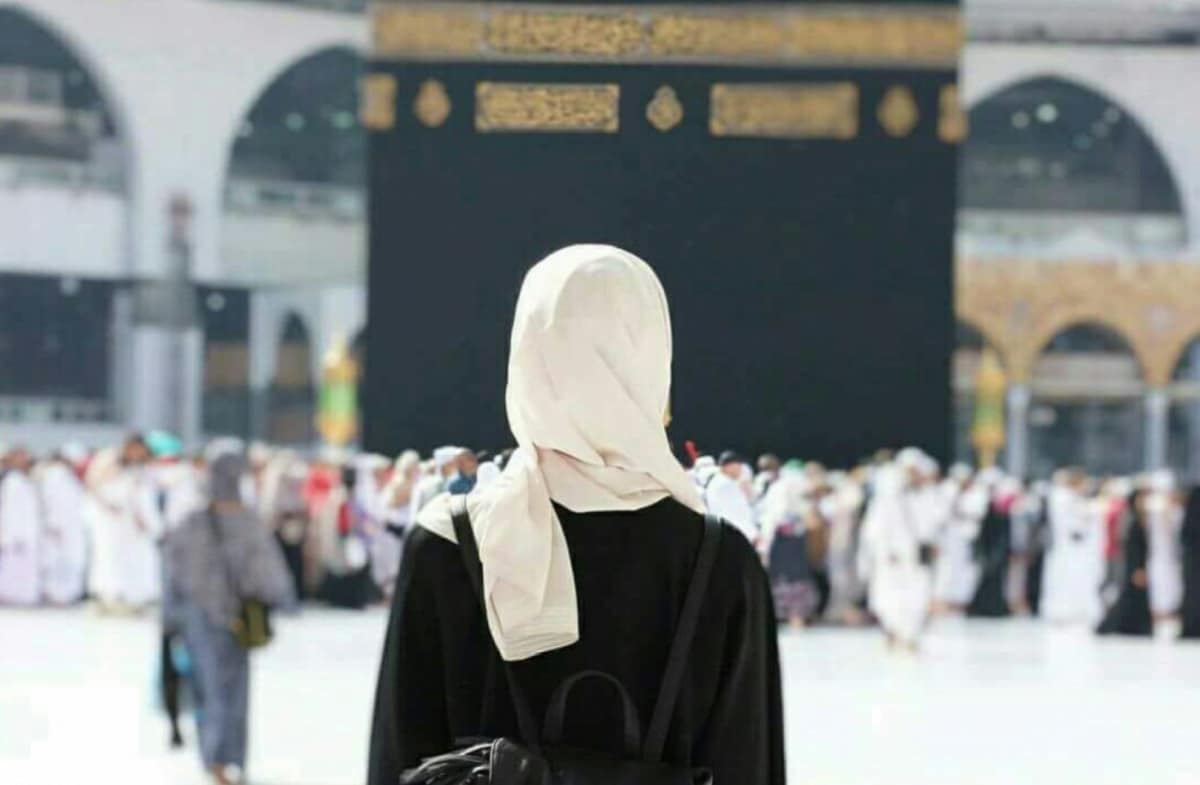
Performing Umrah is one of the most spiritually significant journeys a Muslim woman can undertake. As you prepare for this blessed pilgrimage to the holy cities of Makkah and Madinah, one of the most important considerations is ensuring your clothing meets Islamic modesty requirements while remaining practical, comfortable, and suitable for the Saudi Arabian climate.
Unlike Hajj, which has specific ihram requirements for men, women performing Umrah have more flexibility in their choice of attire. However, this flexibility comes with the responsibility of selecting clothing that adheres to Islamic principles of modesty, respects the sanctity of the holy sites, and allows you to perform the rituals comfortably in often challenging conditions—from the intense heat of summer to the crowds of pilgrims during peak seasons.
This comprehensive guide will walk you through everything you need to know about dressing modestly for Umrah. We’ll cover the religious requirements, practical considerations, weather-appropriate clothing, complete outfit ideas, packing lists, shopping tips, and answers to common questions. Whether you’re a first-time pilgrim or returning for another spiritual journey, this guide will help you prepare with confidence.
Understanding Modesty Requirements for Umrah
Before we explore specific outfit ideas, it’s essential to understand the Islamic guidelines for women’s dress during Umrah.
Islamic Guidelines for Women’s Ihram
Unlike men, who wear two white unstitched cloths, women do not have a specific ihram garment. Instead, women’s ihram consists of their regular modest clothing that meets the following criteria:
Essential Requirements:
- Full Body Coverage: The entire body must be covered except the face and hands
- Loose-Fitting: Clothing should not reveal the shape of the body
- Opaque: Fabric must not be see-through or transparent
- Non-Attractive: Clothing should not be decorative or draw attention
- No Perfume: Avoid perfumed or scented clothing during ihram state
- Face Uncovered: The face must remain uncovered (though you can lower a veil when needed around non-mahram men)
- Hands Uncovered: Hands must be uncovered (gloves are not permitted during ihram)
The Difference Between Ihram and General Umrah Clothing
It’s important to understand that there are two dress contexts during Umrah:
In State of Ihram (During Tawaf, Sa’i, and until completing rituals):
- Stricter requirements apply
- Face and hands must remain uncovered
- Plain, simple colors preferred (white is traditional but not required)
- No gloves or face veils (niqab)
- Can lower a cloth over face when around non-mahram men
Outside State of Ihram (Before entering ihram and after completing Umrah):
- General Islamic modest dress required
- Face covering is optional (many wear niqab)
- More variety in colors and styles acceptable
- Can wear regular modest clothing
This guide will help you prepare for both situations.
Saudi Arabia’s Dress Expectations
While in Saudi Arabia, even outside the state of ihram, modest dress is expected:
General Guidelines:
- Full coverage of body (loose, opaque clothing)
- Abaya is common but not legally required for foreign visitors
- Headscarf (hijab) should be worn in public
- Shoulders, arms, and legs fully covered
- Avoid tight, transparent, or revealing clothing
- In the Haramain (two holy mosques), stricter modesty is observed
Recent Changes: Saudi Arabia has relaxed some dress codes for foreign visitors in recent years, but the holy cities of Makkah and Madinah maintain stricter standards, and respect for these is expected.
Essential Considerations for Choosing Umrah Outfits
Climate and Weather
Understanding Saudi Arabia’s climate helps you choose appropriate clothing:
Summer (May-September):
- Extremely hot (40-50°C / 104-122°F)
- Very low humidity
- Intense sun exposure
- Air-conditioned indoor spaces
Winter (November-February):
- Mild to cool (15-25°C / 59-77°F)
- Occasional rain
- Cool evenings
- Comfortable during day
Transitional Seasons (March-April, October):
- Warm to hot (25-35°C / 77-95°F)
- Generally pleasant
- Best time for Umrah weather-wise
Fabric Choices Based on Season:
Hot Weather: Cotton, lightweight jersey, breathable synthetic blends, linen Cool Weather: Cotton blends, light wool, jersey, layering pieces Year-Round: Moisture-wicking fabrics, breathable materials
Comfort and Practicality
Your Umrah journey involves significant physical activity:
Physical Demands:
- Extensive walking (often 5-10+ km daily)
- Standing for prayers
- Tawaf (circling the Kaaba 7 times)
- Sa’i (walking between Safa and Marwah 7 times)
- Crowds and potential pushing
- Carrying personal belongings
Practical Requirements:
- Comfortable, supportive footwear
- Breathable fabrics
- Easy-to-move-in clothing
- Quick-drying materials
- Pockets for essentials
- Layering capability
- Easy bathroom access
Durability and Maintenance
Consider the practical aspects of clothing care:
What Works Best:
- Machine-washable fabrics
- Quick-drying materials
- Wrinkle-resistant fabrics
- Stain-resistant colors (medium tones)
- No delicate fabrics requiring special care
- Easy-to-maintain pieces
What to Avoid:
- Dry-clean only items
- Very light colors (get dirty quickly)
- Delicate embellishments
- High-maintenance fabrics
- Very dark colors (hot in sun)
Complete Modest Outfit Ideas for Umrah
Let’s explore specific outfit combinations suitable for different aspects of your Umrah journey.
Outfit Idea 1: The Classic White Abaya Set
Perfect For: During ihram state, tawaf, sa’i, all main rituals
Components:
- White abaya (full-length, loose, opaque cotton or jersey)
- White inner top (long-sleeved, crew neck)
- White loose pants or white maxi skirt underneath
- White shayla/hijab (large square or rectangular scarf)
- White socks (for additional modesty and comfort)
- Comfortable slip-on shoes (easy to remove for prayer)
Why It Works:
- White reflects heat (cooler in hot weather)
- Traditional and widely accepted
- Shows intention and spirituality
- Easy to spot your group in crowds
- Clean, pure appearance
Fabric Recommendations:
- Cotton for breathability
- Jersey for comfort and movement
- Cotton-polyester blend for durability
Styling Tips:
- Choose generous sizing (allows air circulation)
- Ensure abaya is long enough (reaches ankles)
- Use hijab pins that won’t snag
- Layer thin cotton inside for modesty
- Roll sleeves if too long (keep covered)
Price Range: $30-80 for complete outfit
Outfit Idea 2: The Practical Two-Piece Set
Perfect For: All-day wear, rituals, flexibility in climate control
Components:
- Long tunic/kurta (knee-length or longer, loose-fit)
- Wide-leg pants (palazzo or straight-cut, elastic waist)
- Long hijab/shayla (jersey or cotton)
- Inner cap (to keep hijab secure)
- Comfortable walking sandals
Why It Works:
- More breathable than full abaya
- Easier bathroom access
- Can mix and match pieces
- Comfortable for long periods
- Practical for varying temperatures
Color Options:
- Cream or beige (doesn’t show dust)
- Light gray (practical and modest)
- Soft pastels (gentle and feminine)
- White (traditional for ihram)
Fabric Recommendations:
- Cotton jersey for top
- Breathable cotton or linen blend for pants
- Modal or jersey for hijab
Styling Tips:
- Ensure top covers hips completely
- Choose high-waisted pants for coverage
- Layer thin camisole underneath
- Use lightweight, flowing fabrics
- Keep simple and unembellished
Price Range: $25-60 for complete outfit
Outfit Idea 3: The Comfortable Kaftan Style
Perfect For: Cooler weather, evening prayers, hotel wear
Components:
- Long kaftan/jalabiya (ankle-length, loose, flowy)
- Leggings or loose pants underneath
- Large square hijab (can drape generously)
- Inner long-sleeved top (for extra coverage)
- Soft slip-on shoes
Why It Works:
- Extremely comfortable
- One-piece ease
- Provides excellent coverage
- Allows air circulation
- Traditional modest style
Fabric Recommendations:
- Cotton voile for hot weather
- Cotton blend for moderate weather
- Slight weight for proper drape
Styling Tips:
- Wear fitted pants underneath for coverage
- Choose kaftan with side slits for easier walking
- Belt at waist if needed (maintain loose fit)
- Ensure sleeves are full-length
- Simple, non-flashy design
Price Range: $30-70 for complete outfit
Outfit Idea 4: The Modern Modest Ensemble
Perfect For: Outside ihram state, walking around Madinah, hotel areas
Components:
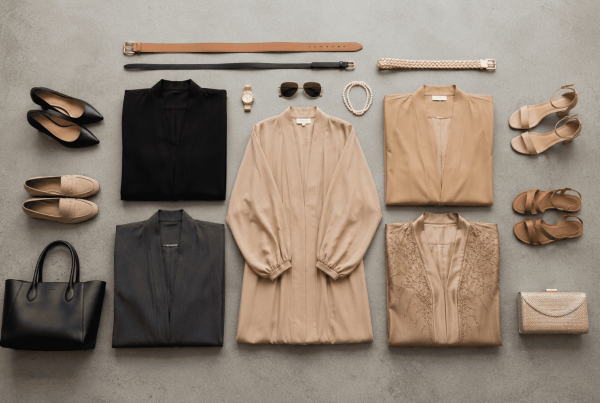
- Long cardigan or kimono (over coordinated set)
- Long tunic (hip-covering length)
- Palazzo pants or maxi skirt
- Jersey hijab (comfortable and stays in place)
- Breathable sneakers (for extensive walking)
Why It Works:
- Contemporary modest style
- Layering for temperature control
- Comfortable for all-day wear
- Stylish while maintaining modesty
- Practical for varied activities
Color Coordination:
- Monochrome in earth tones
- Soft neutrals with one accent
- Tonal variations of same color
- Simple, non-distracting palettes
Fabric Recommendations:
- Jersey or cotton knit for tunic
- Breathable synthetic blend for pants
- Lightweight cotton for outer layer
Styling Tips:
- Keep colors muted and simple
- Avoid bold patterns or prints
- Ensure all pieces are opaque
- Layer appropriately for modesty
- Comfortable but polished look
Price Range: $40-90 for complete outfit
Outfit Idea 5: The Lightweight Prayer Set
Perfect For: Hot summer months, daytime rituals, peak heat hours
Components:
- Lightweight prayer dress (one-piece overhead style)
- Breathable cotton pants underneath
- Thin cotton hijab (moisture-wicking)
- Inner cap (absorbs moisture)
- Cooling undershirt (optional, for comfort)
- Ventilated slip-on shoes
Why It Works:
- Minimizes layers in extreme heat
- Maximum breathability
- Quick-drying if sweaty
- Easy to wear and remove
- Practical for multiple prayers
Fabric Recommendations:
- Thin cotton (most breathable)
- Moisture-wicking jersey
- Lightweight technical fabrics
- Mesh-lined areas (if available)
Styling Tips:
- Choose light colors (reflect heat)
- Ensure fabric is still opaque despite thinness
- Size up for air circulation
- Avoid synthetic materials that trap heat
- Keep design simple and functional
Price Range: $20-50 for complete outfit
Outfit Idea 6: The Layered Comfort Outfit
Perfect For: Cooler seasons, air-conditioned spaces, flexibility
Components:
- Base long-sleeved top (fitted but modest)
- Loose overtunic/kurta (mid-thigh to knee length)
- Loose pants or long skirt
- Long cardigan or shawl (for extra warmth/coverage)
- Jersey hijab (comfortable for extended wear)
- Comfortable walking shoes
Why It Works:
- Temperature adaptability
- Can remove layers as needed
- Versatile for different settings
- Comfortable movement
- Practical for day-long wear
Layering Strategy:
- Base layer: thin, fitted, modest
- Middle layer: loose, covering
- Outer layer: removable warmth
- All layers independently modest
Fabric Recommendations:
- Cotton or modal for base layer
- Jersey or cotton blend for middle layer
- Lightweight knit for outer layer
Styling Tips:
- Each layer should independently meet modesty requirements
- Coordinate colors across layers
- Ensure no layer is see-through
- Keep outer layers easy to remove
- Consider carrying bag for removed layers
Price Range: $50-100 for complete outfit
Outfit Idea 7: The Budget-Friendly Basic Set
Perfect For: Cost-conscious pilgrims, first-time travelers, minimalists
Components:
- Simple long abaya (basic, unembellished)
- Basic loose pants (elastic waist)
- Plain long-sleeved undershirt
- Simple rectangular hijab (cotton or jersey)
- Affordable comfortable sandals
Why It Works:
- Economical option
- Meets all requirements
- Easy to replace if damaged
- Simple to maintain
- Focus on function over fashion
Where to Buy:
- Local South Asian clothing stores
- Online modest fashion retailers
- Amazon/eBay basics sections
- Discount Islamic clothing stores
Styling Tips:
- Choose medium colors (hide stains)
- Buy slightly oversize (comfort in heat)
- Simple is perfectly appropriate
- Functionality over aesthetics
- Invest in good shoes (don’t skimp here)
Price Range: $20-40 for complete outfit
Outfit Idea 8: The Premium Comfort Set
Perfect For: Those prioritizing comfort, repeat pilgrims, hot climate
Components:
- High-quality breathable abaya (technical fabric)
- Moisture-wicking undershirt (athletic-style)
- Breathable leggings or special modest athletic pants
- Technical fabric hijab (lightweight, quick-dry)
- Premium walking shoes (excellent support)
Why It Works:
- Investment in extreme comfort
- Technical fabrics for heat management
- Reduced perspiration and odor
- Durability for multiple Umrahs
- Superior comfort for extensive walking
Premium Features:
- Moisture-wicking fabrics
- Antimicrobial treatments
- UV protection
- Quick-drying materials
- Reinforced seams
- Hidden pockets
- Ventilation panels
Fabric Recommendations:
- Technical polyester blends
- Merino wool blends (surprisingly cool)
- Advanced athletic fabrics
- Breathable technical cotton
Styling Tips:
- Invest in well-known brands
- Test before the trip
- Still maintain simple appearance
- Functionality is premium here
- Worth the investment for comfort
Price Range: $100-200+ for complete outfit
Essential Undergarments and Layers
Proper undergarments are crucial for comfort and modesty during Umrah.
Undergarments
What to Wear:
Sports Bra or Supportive Bra:
- Comfortable for extensive walking
- No underwire (can be uncomfortable)
- Breathable fabric
- Smooth under clothing
- Modest coverage
Modest Undershirt/Camisole:
- Long-sleeved or sleeveless (depending on outer layer)
- Full coverage
- Breathable material
- Seamless if possible
- Light colors (doesn’t show through)
Comfortable Underwear:
- Breathable cotton or moisture-wicking
- Comfortable for long periods
- Full coverage style
- Bring extras (for frequent changing)
Long Slip or Half-Slip:
- Prevents transparency
- Additional coverage layer
- Especially important with lighter colors
- Cotton or modal material
Inner Caps and Hijab Accessories
Undercaps:
- Cotton undercap (absorbs moisture)
- Jersey undercap (stays in place)
- Tie-back style (more secure)
- Bring multiple (change when sweaty)
Hijab Pins and Accessories:
- Stick pins (traditional, secure)
- Magnet pins (no snagging)
- Safety pins (always useful)
- Pin cushion or holder
Other Accessories:
- Tube underscarves (hold hair back)
- Bonnet caps (for extra coverage)
- Headbands (keep hijab in place)
Socks and Foot Care
Socks:
- Cotton or moisture-wicking
- Ankle or crew length
- Light colors (cooler)
- Bring multiple pairs
- Some prefer no socks (personal choice)
Foot Care Items:
- Blister prevention patches
- Foot powder (reduces moisture)
- Moisturizer (for dry, cracked feet)
- Comfortable insoles
Footwear for Umrah: Comfort is Critical
The right footwear can make or break your Umrah experience.
Best Footwear Options
Option 1: Supportive Slip-On Sandals
Best Choice For: Easy mosque access, hot weather, most pilgrims
Features to Look For:
- Arch support
- Cushioned footbed
- Easy slip-on/off design
- Secure fit (won’t slip off easily)
- Breathable materials
- Closed toe (more protective)
- Durable sole
Recommended Brands:
- Skechers (Go Walk series)
- Clarks (comfort sandals)
- Birkenstock (supportive)
- Crocs (controversial but comfortable)
- Cole Haan (Zerogrand)
Price Range: $30-100
Option 2: Comfortable Walking Shoes
Best Choice For: Extensive walking, Sa’i, outside mosque areas
Features to Look For:
- Excellent arch support
- Cushioned sole
- Breathable upper
- Lightweight
- Slip-on style preferred
- Broken in before trip
Recommended Types:
- Athletic slip-ons
- Walking shoes
- Comfort sneakers
- Supportive flats
Price Range: $40-120
Option 3: Backless Sandals/Mules
Best Choice For: Quick mosque access, light walking
Features to Look For:
- Stable despite backless design
- Supportive footbed
- Non-slip sole
- Comfortable for standing
- Easy to slip into
Cautions:
- Less support than closed shoes
- Can slip off in crowds
- Not ideal for extensive walking
- Best as backup pair
Price Range: $20-60
Footwear Tips
Before You Go:
- Break in shoes: Wear extensively before trip (2-3 weeks)
- Test with socks: If wearing socks, test fit with them
- Walk distances: Test on long walks (5+ km)
- Bring two pairs: Alternate to prevent foot fatigue
- Pack blister prevention: Better safe than sorry
During Umrah:
- Remove for mosque: Carry bag for shoes if needed
- Watch for theft: Keep shoes together, visible
- Alternate pairs: Give feet different support patterns
- Air out shoes: Prevent odor buildup
- Address issues early: Don’t ignore developing blisters
What NOT to Wear
Avoid:
- Brand new, unbroken shoes
- High heels or wedges
- Flip-flops (no support, unsafe in crowds)
- Completely flat sandals (no arch support)
- Shoes requiring socks if you don’t want to wear them
- Shoes with complicated fastenings
- Fashion over function choices
Hijab Styles and Options for Umrah
Your hijab choice significantly impacts comfort during Umrah.
Best Hijab Styles
Style 1: Simple Rectangular Wrap
How to Wear:
- Place center on head
- Pin under chin
- Wrap both ends around head
- Secure with pins
Pros:
- Traditional and accepted
- Easy to adjust
- Can cover face when needed
- Simple and modest
Cons:
- May slip without pins
- Can be bulky
- Requires multiple pins
Best Fabrics: Cotton, jersey, lightweight viscose
Style 2: Al-Amira (Two-Piece)
How to Wear:
- Inner cap with tube-shaped scarf
- Pull tube over cap
- Adjust for coverage
Pros:
- Very secure
- No pins needed
- Quick to put on
- Consistent appearance
Cons:
- Less adjustable
- Can be hot (double layer)
- Specific sizing needed
Best Fabrics: Jersey, cotton blend
Style 3: Long Shayla (Simple Drape)
How to Wear:
- Place center on head
- Let both sides hang forward
- Can pin under chin or let flow
Pros:
- Minimal pins
- Easy to adjust
- Can cover face easily
- Comfortable
Cons:
- May shift without pins
- Needs length for coverage
Best Fabrics: Jersey, cotton, chiffon (if opaque)
Hijab Fabric Guide
Cotton:
- Pros: Breathable, absorbent, cool, easy care
- Cons: Wrinkles easily, can feel heavy when damp
- Best For: Hot weather, daytime wear
Jersey:
- Pros: Stretchy, comfortable, stays in place, minimal pins
- Cons: Can be warm, may lose shape with washing
- Best For: All-day wear, active rituals
Viscose/Modal:
- Pros: Soft, drapes well, breathable, smooth
- Cons: Less durable, requires care when washing
- Best For: Cooler weather, evening
Chiffon:
- Pros: Lightweight, elegant
- Cons: Can be transparent, slippery, requires pins
- Best For: Only if opaque version, cooler weather
Hijab Colors for Umrah
Best Choices:
- White: Traditional for ihram, reflects heat
- Cream/Beige: Practical, doesn’t show dust
- Light Gray: Modest, practical
- Soft Pastels: Gentle, appropriate
Avoid:
- Very dark colors (absorb heat)
- Bright, flashy colors (draw attention)
- Prints or patterns (unless very subtle)
- Embellished or decorated scarves
How Many Hijabs to Bring
Minimum: 5-7 hijabs for week-long trip
Reasoning:
- One per day
- Extra for washing cycle
- Backup in case of loss
- Different weights for different times
Smart Packing:
- Mix of weights (some light, some moderate)
- All in modest colors
- Quick-drying fabrics preferred
- Space for one or two purchased there
Dealing with Weather Extremes
Hot Weather Strategies (Summer)
Clothing Choices:
- Lightest fabrics possible (still opaque)
- Light colors (white, cream, light gray)
- Loose fit for air circulation
- Minimum layers necessary
- Natural fabrics preferred
Cooling Techniques:
- Carry small spray bottle (mist face, neck)
- Wet inner cap or undercap
- Freeze water bottle, let it melt in bag
- Stay in air-conditioned areas when possible
- Perform rituals during cooler hours (evening, early morning)
Hydration:
- Drink water constantly
- Carry water bottle everywhere
- Drink before feeling thirsty
- Electrolyte drinks occasionally
Sun Protection:
- Ensure full coverage
- Consider sun-protective fabrics (UPF rated)
- Stay in shade when possible
- Sunglasses (outside mosque areas)
Cool Weather Strategies (Winter)
Layering System:
- Base layer: thin, fitted
- Middle layer: insulating
- Outer layer: wind/water resistant
- All layers independently modest
Smart Choices:
- Long cardigan or jacket (easy to remove)
- Pashmina or shawl (versatile)
- Light gloves (when not in ihram)
- Warmer socks
Consider:
- Evenings are cooler (15-20°C drop)
- Indoor spaces are air-conditioned
- Rain is possible (November-February)
- Layering allows flexibility
Rain Preparation
Even in “Dry” Seasons:
- Occasional rain possible
- Quick-drying fabrics helpful
- Waterproof bag for electronics
- Compact umbrella (outside mosque)
Waterproof Considerations:
- Water-resistant shoes
- Quick-dry clothing
- Covered bag or backpack
- Change of socks in bag
Packing Your Umrah Wardrobe
Complete Packing List
Main Outfits (for 7-10 day trip):
- 3-4 complete outfits for ihram/rituals
- 2-3 outfits for general wear
- 1-2 backup outfits
- 1 outfit for travel days
Undergarments and Layers:
- 7-10 pairs of underwear
- 2-3 supportive bras
- 3-4 undershirts/camisoles
- 1-2 slips (if needed)
- 7-10 pairs of socks (if wearing)
Hijabs and Accessories:
- 5-7 hijabs (various weights)
- 3-4 undercaps
- Hijab pins (20-30)
- Pin cushion or holder
- 2-3 safety pins
Footwear:
- 1 pair primary walking shoes
- 1 pair backup comfortable shoes
- 1 pair room slippers
- Insoles (if needed)
Outerwear:
- 1 light jacket or cardigan
- 1 prayer-specific garment (if desired)
- 1 pashmina or large shawl (versatile)
Packing Strategy
How to Pack Efficiently:
- Roll, Don’t Fold: Saves space, reduces wrinkles
- Use Packing Cubes: Organize by category
- Heaviest Items at Bottom: Better weight distribution
- Shoes in Bags: Keep separate, stuff with socks
- Hijabs in One Cube: Easy access, stay organized
- Keep One Outfit Accessible: In case luggage is delayed
Space-Saving Tips:
- Wear bulkiest outfit on travel day
- Choose multi-purpose pieces
- Stick to color palette (everything coordinates)
- Avoid “just in case” items
- Can buy basics there if needed
What NOT to Overpack:
- Excessive outfit changes
- Formal wear (not needed)
- Multiple pairs of shoes (2-3 max)
- Bulky items
- Heavy fabrics
Room for Shopping
Leave Space For:
- White abaya or outfits (popular to buy there)
- Prayer rugs
- Zamzam water
- Gifts and souvenirs
- Dates and local items
Shopping Opportunities:
- Malls near Haram (Abraj Al Bait Mall)
- Traditional souqs
- Hotel shops
- Madinah markets
Special Considerations
For First-Time Pilgrims
Extra Tips:
- Bring more comfortable basics than fancy items
- White is traditional but not required
- Don’t stress about fashion—focus on worship
- Bring comfortable, broken-in clothing
- Simple is always appropriate
- Other pilgrims are supportive and helpful
What to Expect:
- Crowds and potential contact
- Varying cleanliness levels
- Need to change clothes mid-day (carry extra)
- More walking than expected
- Temperature variations (outdoor heat, indoor AC)
For Those with Mobility Issues
Adaptive Clothing:
- Front-closing garments (easier)
- Elastic waists (more comfortable)
- Shoes with good support (critical)
- Lighter fabrics (reduce fatigue)
- Consider wheelchair accessibility
Helpful Items:
- Foldable walking stick
- Supportive knee braces
- Comfortable seating cushion
- Medical alert information
- Extra medications
For Menstruating Women
Important Considerations:
- Cannot perform Tawaf or Sa’i during menstruation
- Can do everything else (dua, prayer)
- Wear dark colors if concerned
- Bring adequate supplies
- Consider menstrual cup (convenient for travel)
Clothing Tips:
- Looser pants for comfort
- Dark or patterned bottoms
- Easy bathroom access
- Comfortable, absorbent fabrics
- Plan outfits around schedule if possible
For Modest Fashion Bloggers/Social Media
Balancing Content and Worship:
- Primary focus should be ibadah (worship)
- Simple, undecorated clothing still required
- Photography restrictions in mosques
- Respect for others’ privacy
- Content can be created outside sacred spaces
Appropriate Approach:
- Document experience respectfully
- Share practical tips (helpful to others)
- Avoid fashion-focused content in Haram
- Inspirational rather than showy
- Educational value to content
Shopping for Umrah Clothing
Where to Buy
South Asian Stores:
- Excellent selection of modest wear
- Affordable prices
- Traditional and modern options
- Sales staff understand requirements
Islamic Clothing Stores:
- Specialized in modest fashion
- Prayer-specific garments
- Quality hijabs and abayas
- Knowledgeable staff
Online Retailers:
- Modanisa: Large selection, international shipping
- Eastessence: Islamic clothing specialists
- Shukr: High-quality modest wear
- Amazon: Basics and variety
- Local brands: Support local businesses
Mainstream Stores with Modest Options:
- Uniqlo (basics, undershirts)
- H&M (modest collection)
- Marks & Spencer (long tunics, layers)
- Target (basics, affordable)
Budget Considerations
Budget Breakdown (for 7-10 day trip):
Minimal Budget ($100-150):
- 2-3 basic abayas or simple sets
- 5-7 basic hijabs
- Essential undergarments
- One good pair of shoes
- Basic accessories
Moderate Budget ($150-300):
- 4-5 quality modest outfits
- 7-10 good hijabs (various types)
- Quality undergarments and layers
- Two pairs good shoes
- All necessary accessories
- Some backup items
Comfortable Budget ($300-500+):
- 5-7 varied outfits (different weights)
- 10+ hijabs (quality and variety)
- Premium undergarments
- Multiple quality shoes
- All accessories and extras
- Technical fabrics for comfort
Money-Saving Tips:
- Buy basics locally (cheaper)
- Purchase white abaya in Saudi (authentic, affordable)
- Shop sales before trip
- Borrow from friends who’ve gone
- Buy quality shoes (worth the investment)
- Economize on items that wear quickly
Quality Indicators
Signs of Good Quality:
- Stitching: Even, reinforced seams
- Fabric: Opaque, good weight, doesn’t pill
- Finish: Clean hems, no loose threads
- Durability: Can withstand multiple washings
- Comfort: Soft, breathable, non-irritating
Red Flags:
- Very cheap prices (may be poor quality)
- Transparent or very thin fabric
- Unfinished seams
- Chemical smell
- Itchy or irritating materials
Caring for Your Umrah Clothing
During Your Trip
Daily Care:
- Hang clothes after wearing (air out)
- Hand wash undergarments daily
- Wash outfits every 2-3 wears
- Use hotel laundry service if available
- Spot clean when possible
- Air dry overnight
Dealing with Limited Facilities:
- Pack travel laundry detergent
- Use hotel sink for hand washing
- Hang in bathroom (moisture helps dry)
- Rotate outfits (give each rest day)
- Pack wrinkle-release spray
After Returning
Cleaning:
- Wash all items (even if look clean)
- Follow care labels
- Separate lights and darks
- Air dry delicate items
- Iron or steam as needed
Storage:
- Store clean and dry
- Keep separate from regular clothes
- Protective bags for special items
- Note any needed repairs
- Keep list of what worked well (for future trips)
Common Questions and Concerns
“What if I get my outfit dirty?”
Solutions:
- Bring stain removal wipes
- Pack backup outfit in day bag
- Wear practical colors (not white only)
- Accept that it may happen
- Can change at hotel
- Other pilgrims understand
“Will I stand out if I don’t wear white?”
Reality:
- Many colors are common
- White is traditional but not required
- Modest neutral colors are perfectly fine
- Comfort and modesty matter most
- You’ll see variety among pilgrims
“Can I wear my regular modest clothes?”
Answer: If your regular clothes meet the requirements (loose, opaque, full coverage, plain), then yes. You don’t need to buy a completely new wardrobe if you already dress modestly.
“What about makeup and jewelry?”
During Ihram:
- No perfume or scented products
- Minimal makeup (if any)
- No decorative jewelry
- Focus on inner beauty
Outside Ihram:
- Light, natural makeup acceptable
- Simple jewelry fine
- Avoid drawing attention
- Remember the sacred environment
“How do I prevent my hijab from slipping?”
Solutions:
- Use inner cap/undercap
- Strategic pinning (multiple pins)
- Jersey or grippy fabric hijab
- Magnet pins (no damage)
- Practice style before trip
- Bring extra pins
“Is it okay to wear athletic modest wear?”
Answer: Yes, if it meets modesty requirements. Technical, athletic fabrics can be excellent for Umrah due to moisture-wicking and comfort properties. Just ensure:
- Not skin-tight
- Opaque (not see-through)
- Full coverage
- Simple/plain (not flashy)
Frequently Asked Questions
Do I need to wear an abaya?
Abayas are common and practical but not religiously required. Any loose, modest clothing that covers your body appropriately is acceptable. Many women prefer abayas for simplicity, but loose tunics with pants are equally acceptable.
Can I wear colors other than black or white?
Yes! While black and white are most common, you can wear any modest, non-flashy color. Cream, beige, gray, soft pastels, and other neutral colors are all appropriate. Avoid very bright, attention-grabbing colors during rituals.
What should I do if I start menstruating during Umrah?
You cannot perform Tawaf or Sa’i during menstruation, but you can do everything else. Wear comfortable dark clothing, bring adequate supplies, and focus on other acts of worship (dua, prayer in hotel, reading Quran). Many women plan Umrah timing around their cycle when possible.
Can I wear socks inside the mosque?
Yes, you can wear socks. Many women do for additional modesty, hygiene, and foot protection. Choose breathable socks appropriate for the weather. It’s also perfectly fine to be barefoot.
How many outfits do I really need for a week?
3-4 outfits for main rituals and 2-3 for general wear should suffice for a week. You’ll likely repeat outfits. It’s better to pack light and wash clothes during your trip than to overpack.
Can I buy clothing in Saudi Arabia?
Yes! Many pilgrims purchase white abayas, prayer outfits, or hijabs in Saudi Arabia. There are numerous shops near the Haram in both Makkah and Madinah. Prices are generally affordable, and you’ll find authentic items.
What if my luggage is lost?
Keep one complete modest outfit in your carry-on, including a hijab, comfortable shoes, and undergarments. You can purchase basics in Saudi Arabia if needed, but having essentials with you prevents stress.
Are there lockers for storing extra shoes and bags?
Yes, there are storage areas near the mosques, but don’t store valuables. Carry shoes in a bag or use the provided shoe storage areas. Many people carry minimal bags inside the mosque with just essentials.
Should I bring a separate prayer outfit?
Not necessary. Your main outfits should be appropriate for prayer. Some women like having a dedicated prayer abaya or overhead prayer dress, but it’s not required if your regular clothes meet modesty requirements.
Can I wear my niqab (face veil)?
Outside the state of ihram, wearing niqab is a personal choice. During ihram (while performing Tawaf and Sa’i), the face must remain uncovered, though you can lower a cloth over your face when around non-mahram men without it touching your face.
Conclusion: Dressing with Devotion and Comfort
As you prepare for your blessed Umrah journey, remember that your clothing serves multiple purposes: fulfilling religious requirements, ensuring physical comfort, and allowing you to focus entirely on your spiritual experience.
Key Takeaways
Religious Requirements First:
- Loose, opaque, full-coverage clothing
- Face and hands uncovered during ihram
- Simple, non-flashy appearance
- Respect for sacred spaces
Comfort is Crucial:
- Extensive walking requires good shoes
- Weather-appropriate fabrics
- Breathable, quick-drying materials
- Practical, easy-care items
Pack Smart:
- 3-5 versatile outfits
- Multiple hijabs
- Two pairs comfortable shoes
- Essential undergarments and layers
- Room for purchases
Focus on Purpose:
- Modesty over fashion
- Comfort over style
- Practicality over perfection
- Worship over wardrobe
Final Thoughts
The beauty of Umrah lies not in what you wear but in the purity of your intention and the devotion in your heart. Your clothing should enable your worship, not distract from it. Whether you choose a simple white abaya or a comfortable two-piece set, whether you spend $50 or $500 on your wardrobe, what matters most is that you’re dressed modestly, comfortably, and ready to focus entirely on this precious spiritual opportunity.
Many pilgrims worry extensively about clothing before their first Umrah, only to realize upon arrival that the diversity among pilgrims is beautiful, that comfort matters more than perfection, and that the spiritual experience far outweighs any wardrobe concerns.
Pack thoughtfully, dress modestly, prioritize comfort, and focus on the incredible spiritual journey ahead. May your Umrah be accepted, your prayers answered, and your heart filled with peace. Ameen.
Before You Go Checklist
□ Outfits meet Islamic modesty requirements
□ Clothing appropriate for season/weather
□ Comfortable, broken-in shoes
□ Multiple hijabs and undercaps
□ Essential undergarments and layers
□ All clothing is clean and in good repair
□ Packing cubes or organizers ready
□ Carry-on includes one complete outfit
□ Room left in luggage for purchases
□ Practical over fashionable choices prioritized
May Allah accept your Umrah and grant you ease in all your preparations. Safe travels, and may you return with your duas answered and your heart at peace.
About This Guide: This comprehensive resource combines Islamic guidance, practical experience, and traveler wisdom to help women prepare thoughtfully for their Umrah journey. Every recommendation prioritizes religious adherence, physical comfort, and spiritual focus. May it serve as a beneficial resource for all sisters embarking on this blessed pilgrimage.