Saudi Arabia has undergone remarkable transformation in recent years, opening its doors to international tourism in 2019 and significantly relaxing many of its traditional restrictions. For female travelers, one of the most common questions is: “What should I wear in Saudi Arabia?” The good news is that as of 2019, there is no formal law imposing a specific dress code on women in Saudi Arabia, and wearing the hijab is no longer mandatory, except when visiting religious places such as mosques. However, understanding the cultural context, regional variations, and practical considerations for dressing in this conservative yet rapidly evolving country will ensure you have a comfortable, respectful, and enjoyable visit.
Quick Guide: Saudi Dress Code for Women
Simple rules for comfortable & respectful dressing
-
No Abaya RequiredNot mandatory for tourists since 2019
-
No Hijab RequiredExcept in mosques & religious sites
-
Modesty is KeyCover shoulders, elbows, and knees
-
Maxi Dresses & SkirtsWith sleeves, loose & flowy
-
Jeans with Long TopsTops should cover hips/bum
-
Loose Trousers & BlousesComfortable and respectful
-
Jumpsuits & KaftansGreat for evenings & dining
Regional Differences
What NOT to Wear
- Shorts (except in resorts)
- Mini skirts or skirts above knee
- Sleeveless tops or spaghetti straps
- Low-cut or revealing necklines
- Sheer/see-through fabrics
- Bodycon or tight-fitting clothes
Essential Tips
- Carry a scarf – needed for mosques, useful elsewhere
- Choose loose fabrics – cotton & linen best for heat
- Abaya optional but helpful – buy locally for ~$20-50
- Dress neat & clean – matters more than specific style
- Resorts are flexible – swimwear okay in pool areas
-
Summer (May-Sept)Lightweight cotton/linen, light colors
-
Winter (Nov-Feb)Layers needed, light jacket for evenings
This comprehensive guide covers everything female tourists need to know about dressing in Saudi Arabia, from legal requirements and cultural expectations to practical outfit suggestions and regional considerations.
Understanding Saudi Arabia’s Current Dress Code Laws
Before planning your wardrobe, it’s important to understand what’s legally required versus culturally expected.
The Legal Reality in 2026
Previously, women were required to wear an abaya and a headscarf, which was supervised by the Saudi police, but now wearing the abaya is no longer mandatory for foreign female tourists. In 2018, Crown Prince Mohammed bin Salman clarified that women should wear decent, respectful clothing, but this does not mean women must wear a black abaya or cover their hair or face.
The current law emphasizes modest clothing through the Public Decorum Charter, which provides general guidelines including adhering to modest clothing that covers the knees and elbows, avoiding very tight or transparent clothing, not wearing underwear or nightgowear in public places, prohibiting clothing with inappropriate phrases or images, and prohibiting the wearing of non-Islamic religious symbols in a visible manner.
These official guidelines give you considerable flexibility in choosing what to wear while establishing clear boundaries for appropriate dress.
What’s Changed and What Hasn’t
The relaxation of mandatory abaya and hijab requirements represents a significant shift in Saudi policy, particularly aimed at making the country more welcoming to international tourists. However, it’s crucial to understand that legal permission doesn’t necessarily equal social acceptance in all areas.
You are likely to see and experience all ends of the spectrum when travelling in Saudi, from women in full niqab to women in jeans and shirts with no headscarf or abaya – especially in the cosmopolitan hub of Jeddah.
The diversity of dress you’ll observe reflects Saudi Arabia’s current transitional period, where traditional values coexist with modernization efforts.
Regional and Religious Exceptions
While general dress codes have relaxed for tourists, specific locations maintain stricter requirements. For women visiting mosques in Saudi Arabia, always wear a headscarf and ensure your clothing is fully covering your entire body. Better yet, wear an abaya.
The holy cities of Mecca and Medina require particular attention. Although you can technically walk around the holy city of Madinah dressed however you like, out of respect, at minimum cover your head with a headscarf as a woman. The best option, as a female tourist, would be a headscarf and abaya.
The Modesty Principle: Core Guidelines
Regardless of legal requirements, the fundamental principle guiding dress in Saudi Arabia is modesty. Understanding this concept helps you make appropriate choices throughout your visit.
What Modesty Means in Practice
Saudi Arabia is a conservative country, so the dress code for women is modest clothing that’s loose-fitting and that covers the shoulders, elbows and knees. No tight-fitting or transparent clothing should be worn.
This means your clothing should cover from shoulders to below the knees at minimum, be loose enough not to define your body shape, use opaque fabrics that don’t show your silhouette, and avoid revealing necklines or exposed backs.
The key is ensuring your clothing doesn’t draw unwanted attention or cause discomfort to local residents who maintain more conservative views.
Why Modesty Matters
Respecting local dress norms isn’t just about following rules—it’s about cultural sensitivity and ensuring a positive experience. Dressing modestly helps you avoid unwanted stares or comments, shows respect for local culture and values, allows you to blend in more naturally, and prevents potential awkward situations or misunderstandings.
Many female travelers report that dressing modestly actually enhanced their experience by allowing them to interact more comfortably with local people and access spaces they might otherwise have felt unwelcome.
Regional Variations: Where You Are Matters
Saudi Arabia is a large, diverse country, and appropriate dress varies significantly depending on where you’re visiting.
Major Cities: Riyadh, Jeddah, and Dammam
Riyadh women dress code, as well as in major cities like Jeddah and Khobar is more flexible compared to more conservative areas like Mecca and Medina. Foreign women can wear loose-fitting, long clothing without necessarily needing an abaya, provided the attire is modest and respects local traditions.
Jeddah, being the most cosmopolitan city, shows the greatest flexibility. You’ll see many women in Western clothing, colored abayas, and a wide range of modern modest fashion. Riyadh, as the capital, is somewhat more conservative than Jeddah but still relatively relaxed for tourists. Dammam and the Eastern Province generally fall between Jeddah and Riyadh in terms of openness.
In these major cities, you can comfortably wear jeans with long tops, maxi dresses, loose trousers with blouses, modest co-ord sets, and other Western clothing that meets the modesty standards.
Tourist Destinations: AlUla and Resort Areas
In the newly-touristic areas like AlUla, Saudi Arabia, western clothing is perfectly fine. I wore leggings, sweaters, and longer shirts to cover the tight fabric of my pants.
Tourist-focused destinations like AlUla, which features stunning archaeological sites and luxury resorts, are among the most relaxed areas for dress codes. Resort areas and private properties offer even more flexibility, with many allowing swimwear in pool areas and more casual dress in general.
Travellers to Saudi Arabia will find there are many rules and etiquettes for dressing – but the most reassuring is that travellers can largely wear what they want within the confines of their resort.
Conservative Areas: Mecca, Medina, and Small Towns
In more traditional areas, it is preferable to adhere to the abaya and hijab to show respect for prevailing customs.
In the holy cities and more conservative regions, covering your head becomes much more important, even if not legally required. An abaya makes navigating these areas significantly easier and more comfortable. Small towns and rural areas generally expect more conservative dress than major cities.
Even in conservative areas, remember that you’re visibly foreign, and locals understand tourists may dress differently than they do. However, making an effort to dress respectfully goes a long way.
Practical Outfit Ideas for Saudi Arabia
Now let’s get specific about what to actually pack and wear during your Saudi Arabia trip.
Everyday Casual Wear
For daily sightseeing and general activities, these options work well:
Maxi Dresses: Stand out against the sandstone and desert in a vibrant floaty maxi dress – a must-pack for anyone visiting Saudi Arabia. When packing your maxi dresses, go for ones with sleeves (no straps) that are generally on the looser, more floaty side.
Maxi dresses are ideal because they’re comfortable in the heat, automatically cover to appropriate lengths, can be dressed up or down, and come in endless styles and colors.
Jeans with Long Tops: Jeans are a must-pack for any visit to Saudi Arabia. When wearing skinny jeans opt for a top that covers your hips and bum or opt for a tucked-in t-shirt if wearing mum or a loose-fitting pair. Women can generally wear jeans in Saudi Arabia, but with some crucial considerations that align with the general Saudi Arabia dress code for tourists.
Pair jeans with tunic-style tops, long cardigans, or loose shirts that extend past your hips. This combination is comfortable, practical, and widely acceptable.
Loose Co-ords: A loose-fitting co-ord is a must for looking glam and adhering to Saudi Arabia’s dress codes. Bottoms can be tighter as long as the top is loose and untucked, or go for loose-fitting bottoms and tuck the top in.
Matching sets in linen or cotton provide put-together looks while meeting modesty requirements.
Leggings with Long Tunics: The key to wearing leggings in Saudi Arabia is to pair them with a loose, long top.
While leggings alone are too form-fitting, pairing them with a long tunic, dress-length top, or cardigan creates an acceptable outfit that’s comfortable for walking and activities.
Evening and Dining Out
For restaurants and evening activities in major cities:
Jumpsuits: A jumpsuit is a perfect outfit choice for an evening out in Riyadh or Jeddah in one of its new and flashy restaurants – think LMP, Billionaire or Hakkasan. Dress up the jumpsuit with a pair of heels and remember not to go for anything too tight fitted or showing too much chest or your shoulders.
Choose jumpsuits in flowing fabrics with modest necklines and either long sleeves or three-quarter sleeves.
Elegant Kaftans and Maxi Dresses: Beautiful kaftans and silk draping will set the scene for evening glamour.
Kaftans work wonderfully for upscale dining, being both elegant and appropriately modest. Maxi dresses in luxe fabrics can be dressed up with accessories for sophisticated evening looks.
Active and Outdoor Wear
For hiking, exploring heritage sites, and outdoor activities:
Below-Knee Leggings or Athletic Pants: Forgo athletic shorts in favour of below-the-knee leggings for your trip to Saudi Arabia – the perfect thing to wear when exploring the cities, hiking or getting out and the country’s range of heritage sites.
Pair athletic leggings with loose, breathable tops for comfortable movement while maintaining modesty.
Lightweight Long-Sleeve Shirts: Long-sleeve athletic shirts made from moisture-wicking fabrics keep you cool while providing sun protection and meeting coverage requirements.
Resort and Beach Wear
Travellers can largely wear what they want within the confines of their resort. In private resort areas, swimsuits are acceptable around pool areas, though cover-ups are expected when moving through public resort spaces.
For public beaches, more conservative swimwear is necessary. Some beaches have female-only sections where dress codes are more relaxed.
The Abaya Option
While not required for tourists, many women choose to wear an abaya for practical and cultural reasons.
Worn by some Muslim women, an abaya is a loose-fitting robe-like garment that covers the body except for the head, hands and sometimes the feet. You’ll find classic black to more modern, brightly coloured and designer versions.
Benefits of choosing an abaya include simplifying outfit decisions, providing excellent sun protection, helping you blend in with locals, showing cultural respect, and being surprisingly comfortable in the heat.
You can purchase abayas in any Saudi mall, often at very reasonable prices. Modern abayas come in various colors, styles, and embellishments, making them fashion statements as well as modest covering.
Seasonal Considerations
Saudi Arabia’s climate significantly affects clothing choices, so plan according to when you’re visiting.
Summer (May-September)
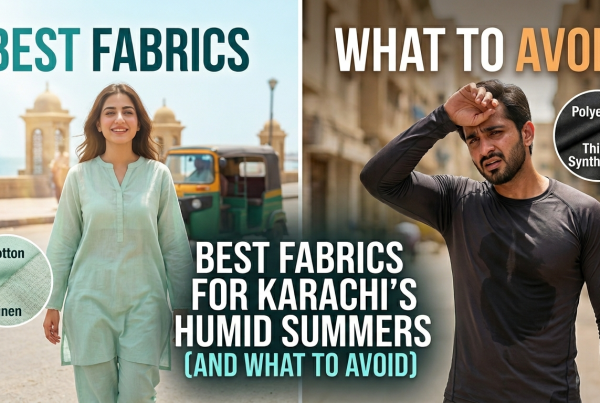
Saudi summers, stretching from May into August, are characterised by intense heat, with temperatures regularly soaring from 30°C to a peak of 45°C. The key to summer dressing in Saudi Arabia is to cover up and stay cool simultaneously. Opt for lightweight clothes made from natural fibres like cotton or linen, which allow your skin to breathe.
Summer requires breathable, lightweight fabrics like cotton and linen, loose-fitting clothing that allows air circulation, light colors that reflect heat rather than absorb it, and wide-brimmed hats for additional sun protection when outside urban areas.
Temperatures can be as high as 40+ degrees Celsius in the summer months, and are still balmy in the winter, so lightweight and breathable fabrics like linen are essential.
The intense heat makes modest dressing actually beneficial—loose, flowing fabrics and full coverage protect you from the sun while traditional dark abayas, though seemingly counterintuitive, actually work well in desert climates.
Winter (November-February)
The key to dressing for Saudi Arabian winters is layering. T-shirts are generally fine for daytime wear, but a light jacket or sweater will be necessary once the sun sets. For women, winter is an ideal time to choose thicker abayas and comfortably layer up underneath for added warmth. Thicker scarves will also come in handy for wrapping up your hair and providing extra protection against the chill.
Winter in Saudi Arabia is mild compared to many countries, but temperatures can drop, especially in the north and at night. Pack layering pieces including cardigans and light jackets, long-sleeve shirts and sweaters, and scarves for warmth and coverage.
If visiting mountainous regions, pack warmer layers as temperatures can be quite cold, and snow occasionally falls on higher peaks.
What NOT to Wear in Saudi Arabia
Understanding what to avoid is equally important as knowing what to wear.
Prohibited or Inappropriate Items
Short skirts or dresses: These are not suitable for public settings in Saudi. Sleeveless tops or low-cut clothing: Always cover your shoulders and cleavage. Skin-tight clothing head to toe: Loose, flowing attire is preferred.
Specifically avoid shorts of any length (outside resorts), mini skirts or skirts above the knee, sleeveless tops or spaghetti straps, low-cut or revealing necklines, sheer or transparent fabrics, bodycon dresses or form-fitting clothing, crop tops or midriff-exposing clothing, and clothing with offensive graphics or text.
Also avoid wearing visible religious symbols from other faiths, as this can be considered disrespectful in this Islamic country.
Footwear Considerations
There’s no footwear restrictions, although you will be asked to take your shoes off inside the areas of worship.
You can wear any footwear you’re comfortable with, including sandals, sneakers, heels, or flats. However, choose shoes you can easily remove and put back on, as you’ll need to take them off when entering mosques, some homes, and occasionally other spaces.
Comfortable walking shoes are essential for exploring archaeological sites and navigating cities.
Accessories and Additional Considerations
Beyond clothing, consider these additional elements of your outfit.
Scarves and Head Coverings
While not required in most areas, carrying lightweight scarves is highly recommended. They’re useful for entering mosques where head covering is required, providing additional sun protection, covering up if you feel uncomfortable, and adding versatility to outfits.
Light, thin scarves – keep these on hand at all times, whether for entering mosques or for general use in conservative areas.
Sunglasses and Sun Protection
Large sunglasses are both fashionable and functional, protecting your eyes from intense desert sun. Many women also wear hats outside of cities, though in urban areas, hats are less common.
Bags and Purses
Any style of bag is acceptable. Crossbody bags are practical for sightseeing, while clutches or handbags work for dining and evening activities.
Jewelry and Makeup
There are no restrictions on jewelry or makeup, though extremely flashy or ostentatious displays might attract unwanted attention. Most urban Saudi women wear makeup and jewelry, so moderate accessorizing is perfectly normal.
Shopping for Clothes in Saudi Arabia
If you arrive and realize you need additional modest clothing, Saudi Arabia has excellent shopping options.
Where to Buy Modest Clothing
Major malls in every city stock both international brands (H&M, Zara, Mango) and local brands offering modest fashion. You’ll find abayas in dedicated abaya shops throughout any mall, often at very reasonable prices.
Saudi Arabia’s fashion scene is booming, with the Saudi Arabian fashion market projected to reach a staggering US $5.70 billion by 2030, driven by a young, fashion-conscious population.
Sizing Considerations
Saudi sizing generally follows European standards, though trying items on is always advisable. International brands maintain their standard sizing.
Real Experiences from Female Travelers
Understanding theoretical dress codes is helpful, but hearing from women who’ve actually traveled to Saudi Arabia provides valuable perspective.
Feeling Safe and Comfortable
Truthfully, I didn’t feel uncomfortable at all in Saudi Arabia, despite my initial concerns. Both Nick and I felt we got stared at a bit, but it’s because we looked different, not because we were in some sense offensive.
Most female travelers report feeling safe and respected in Saudi Arabia, with any attention they receive being more about curiosity than judgment or threat.
The Staring Factor
Many women report being stared at, but this generally reflects curiosity about foreign visitors rather than disapproval. It is more likely that you will be stared at negatively for being scruffy, unclean and unkempt than for wearing western clothing.
Looking neat and put-together matters more than wearing specifically Saudi-style clothing.
Flexibility and Comfort
I was pleasantly surprised by how much flexibility there is and how comfortable travellers are made to feel.
The key is finding the balance between respecting local culture and wearing clothes you feel comfortable in and that suit the activities you’ve planned.
Cultural Context and Respect
Understanding why modest dress matters in Saudi culture helps you approach the topic with appropriate sensitivity.
Religious and Cultural Foundation
Saudi Arabia’s conservative dress expectations stem from Islamic principles of modesty and the country’s particular interpretation of Islamic law. While laws have relaxed for tourists, these cultural values remain deeply important to many Saudis.
Showing respect for these values, even as a non-Muslim visitor, demonstrates cultural awareness and courtesy.
The Evolving Saudi Society
Saudi Arabia is undergoing rapid social transformation, with women now driving, pursuing higher education and careers, and participating in public life in unprecedented ways. The dress code relaxations reflect this broader modernization.
However, change is uneven across the country, with some areas and communities maintaining very traditional views while others embrace more progressive attitudes.
Your Role as a Visitor
As a tourist, you occupy a unique position. Locals don’t expect you to dress exactly as they do, but they do appreciate efforts to respect local norms. Finding an approach that balances comfort, respect, and practicality ensures a positive experience for everyone.
Practical Packing List for Female Tourists
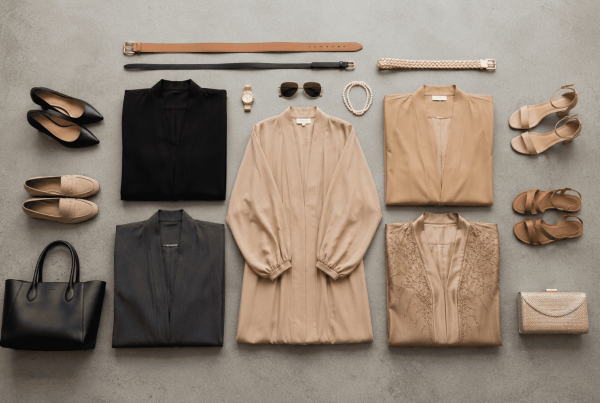
Based on all the guidelines above, here’s a practical packing list for a one-week trip to Saudi Arabia:
Clothing:
- 3-4 maxi dresses or long dresses with sleeves
- 2-3 pairs of loose trousers or jeans
- 4-5 long tunics, blouses, or loose tops
- 1-2 co-ord sets (matching top and bottom sets)
- 1-2 cardigans or light jackets for layering
- 1 jumpsuit for evening wear
- Underwear and sleepwear (modest for hotels)
- 1 abaya (optional but recommended, or purchase locally)
Accessories:
- 2-3 lightweight scarves (for mosques and sun protection)
- Comfortable walking shoes
- Sandals or evening shoes
- Sunglasses and sun hat
- Modest swimwear plus cover-up if visiting resorts
Climate-Specific Additions:
- Summer: Extra lightweight items, sun protection
- Winter: Warmer layers, thicker scarves, light jacket
FAQ: Common Questions About Dressing in Saudi Arabia
Do I have to wear an abaya as a female tourist?
No, abayas are not legally required for foreign female tourists. However, you must dress modestly with loose-fitting clothing that covers shoulders, arms to elbows, and legs to knees.
Can I wear jeans in Saudi Arabia?
Yes, jeans are acceptable for female tourists as long as you pair them with a long top that covers your hips and bottom.
Do I need to cover my hair?
Head covering is not required for tourists except when visiting mosques or religious sites. In the holy cities of Mecca and Medina, covering your head is strongly recommended out of respect.
Can I wear makeup and jewelry?
Yes, there are no restrictions on makeup and jewelry for tourists. Moderate makeup and accessories are normal and acceptable.
What about wearing shorts?
Shorts are generally not acceptable in public areas. Stick to long pants, maxi skirts, or dresses. In private resort areas, shorts may be permitted.
Can I wear a bikini?
Bikinis are acceptable only in private resort pool areas. Public beaches require modest swimwear or full coverage.
Will I be approached by religious police if dressed inappropriately?
The religious police (CPVPV) have had their powers significantly curtailed and rarely interact with tourists. However, dressing appropriately prevents any potential issues.
Conclusion
Dressing for Saudi Arabia as a female tourist in 2026 offers far more flexibility than many people expect, thanks to significant reforms in recent years. While you’re not required to wear an abaya or hijab, respecting the principle of modest dress ensures a comfortable and positive experience.
The key principles to remember are covering shoulders to below knees at minimum, choosing loose-fitting, opaque clothing, avoiding revealing or tight garments, adapting your dress to different regions and situations, and bringing scarves for mosques and conservative areas.
Most importantly, approach dress codes with cultural sensitivity and practical good sense. The vast majority of female travelers report feeling safe, respected, and welcomed in Saudi Arabia, with appropriate modest dress helping facilitate positive interactions with local people.
Saudi Arabia offers extraordinary experiences from ancient archaeological wonders to ultramodern cities, stunning desert landscapes to Red Sea diving. By dressing appropriately and respectfully, you’ll be well-positioned to enjoy all this fascinating country has to offer while honoring local culture and values. Pack clothes you’re comfortable in that meet modest standards, remain open to the experience, and embrace the opportunity to visit a country that’s opening up to the world while maintaining its unique cultural identity.