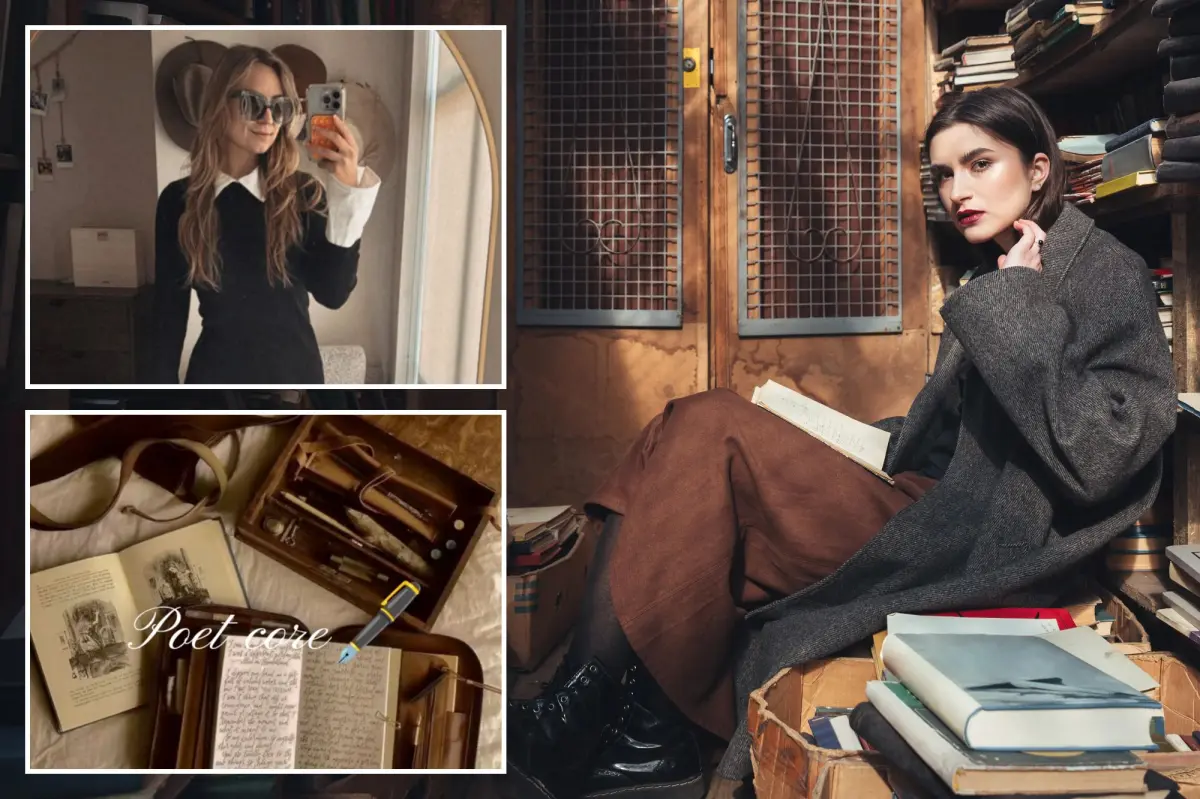
If you’ve stumbled across the term “poetcore” on TikTok, Pinterest, or Instagram and found yourself captivated by images of handwritten verses, vintage libraries, flickering candles, and melancholic beauty, you’re not alone. Poetcore has emerged as one of the most enchanting aesthetic movements of the 2020s, blending literary romanticism with visual storytelling and a deep appreciation for the written word.
But what exactly is poetcore? How did it develop, and what distinguishes it from similar aesthetics like dark academia or light academia? This comprehensive guide explores everything you need to know about poetcore, from its defining characteristics and cultural origins to how you can incorporate this aesthetic into your life, wardrobe, and creative pursuits.
What Is Poetcore?
Poetcore is an aesthetic and cultural movement centered around poetry, literature, romantic melancholy, and the beauty of written expression. It celebrates the intimate act of creating and consuming poetry while embracing visual elements that evoke emotional depth, introspection, and artistic sensitivity.
The Core Philosophy
At its heart, poetcore is about finding beauty in words and the emotions they convey. It romanticizes the life of the poet—the late-night writing sessions, the coffee-stained notebooks, the quiet contemplation, and the ability to transmute raw feelings into art. Poetcore enthusiasts believe in the power of language to capture the ineffable, to express what cannot otherwise be said.
This aesthetic isn’t just about appreciating poetry as an academic subject; it’s about living poetically. It’s seeing the world through a lens of metaphor and meaning, finding poetry in everyday moments, and expressing one’s inner life through creative writing and artistic expression.
Key Characteristics
Poetcore combines visual, literary, and emotional elements into a cohesive aesthetic. Visual characteristics include handwritten poems and letters, vintage or leather-bound journals and notebooks, soft, natural lighting (especially candlelight and golden hour), coffee or tea accompaniments to reading and writing, worn books with dog-eared pages, ink-stained fingers, fountain pens and calligraphy, cozy reading nooks with soft blankets, flowers (especially dried or pressed), vintage typewriters, and libraries and bookshops.
Emotional and thematic elements encompass romanticism and emotional intensity, melancholy beauty (finding beauty in sadness), introspection and self-reflection, solitude and quiet contemplation, nostalgia for past eras, appreciation for the ephemeral and transient, connection between nature and emotion, and exploration of love, loss, longing, and identity.
Literary influences include classical poetry (Romantic era poets like Keats, Byron, Shelley, Wordsworth), contemporary poetry (Rupi Kaur, Ocean Vuong, Mary Oliver, Ada Limón), confessional poetry, lyrical and free verse styles, poetry about nature, love, and existence, and journals and personal writing.
The Origins and Evolution of Poetcore
While poetry has existed for millennia, poetcore as a defined aesthetic is a relatively recent phenomenon that emerged from internet culture.
Internet Aesthetic Culture
Poetcore developed within the broader context of internet aesthetics—visually defined subcultures that emerged on platforms like Tumblr, Pinterest, Instagram, and TikTok. These platforms allow users to curate collections of images that express particular moods, interests, or lifestyles.
The term “poetcore” itself follows the naming convention of other internet aesthetics (cottagecore, dark academia, goblincore, etc.), with “-core” indicating a cohesive aesthetic identity centered around a particular theme or interest.
Tumblr and Early Development (2010s)
The seeds of poetcore were planted on Tumblr in the early-to-mid 2010s, where communities formed around poetry, creative writing, and literary romanticism. Users shared original poems, quotes from favorite poets, and images of journaling and writing spaces. The platform’s emphasis on personal expression and artistic content provided fertile ground for poetcore’s development.
Tumblr’s aesthetic included simple text posts of poems, photos of handwritten verses, images of books and reading spaces, quotes overlaid on moody photography, and discussions about favorite poets and writing techniques.
Pinterest and Visual Consolidation (Late 2010s)
As Pinterest grew in popularity, poetcore became more visually defined. Users created boards dedicated to “poetry aesthetic,” “writing aesthetic,” and similar themes, compiling images that captured the visual essence of poetic life.
Pinterest allowed for more deliberate aesthetic curation, with users collecting images of vintage journals, cozy reading nooks, handwritten poetry, coffee and books, autumn leaves and candlelight, libraries and bookshops, and typewriters and writing desks.
This visual consolidation helped define what poetcore “looked like” beyond just the poetry itself.
TikTok and Mainstream Recognition (2020s)
TikTok brought poetcore to a wider audience through short videos featuring poetry readings, journaling routines, aesthetic compilations, writing process videos, book recommendations, and “day in the life” content of aspiring poets and writers.
Hashtags like #poetcore, #poetryaesthetic, #writersoftiktok, and #darkacademia (which overlaps with poetcore) gained millions of views, introducing the aesthetic to younger audiences and solidifying its place in contemporary culture.
The COVID-19 pandemic accelerated interest in poetcore, as lockdowns drove people toward solitary, introspective activities like reading, writing, and self-expression.
Contemporary Poetcore (2024-2026)
Today, poetcore has matured into a well-recognized aesthetic with a dedicated community. It continues to evolve, incorporating influences from contemporary poets, environmental consciousness, digital poetry platforms, and intersections with other aesthetics.
Modern poetcore embraces both traditional and contemporary forms of poetry, analog and digital writing methods, diverse poetic voices and perspectives, and integration with sustainability and mindful living.
Poetcore vs. Related Aesthetics
Poetcore shares elements with several other popular aesthetics but maintains distinct characteristics.
Poetcore vs. Dark Academia
Dark academia focuses on classical education, gothic architecture, scholarly pursuits, and a somewhat darker, more mysterious atmosphere. It emphasizes ancient libraries, Latin inscriptions, tweed and formal wear, classical music and art history, and gothic or collegiate architecture.
Poetcore, while sharing the love of literature and reading, is more emotionally focused on personal expression through poetry, warmer and more intimate in its visual style, centered specifically on poetry rather than academic study broadly, more accepting of contemporary and diverse literary voices, and less formal or structured in its approach.
There is significant overlap—many dark academia enthusiasts also embrace poetcore, and vice versa. However, poetcore is ultimately more intimate and emotion-centered, while dark academia is more intellectual and aesthetic-focused.
Poetcore vs. Light Academia
Light academia is the brighter, more optimistic counterpart to dark academia, featuring natural light and airy spaces, cream, beige, and soft color palettes, emphasis on spring and summer seasons, focus on learning for joy rather than intensity, and connections to art, music, and languages.
Poetcore shares light academia’s appreciation for gentler aesthetics but differs in its specific focus on poetry and creative writing, acceptance of melancholy and darker emotions, presence across all seasons (not just light ones), and emphasis on personal emotional expression over general learning.
Poetcore can be either dark or light in its visual presentation but is defined more by its poetic focus than its color palette.
Poetcore vs. Cottagecore
Cottagecore romanticizes rural, pastoral life with gardens and farming, baking and homemaking, floral prints and vintage dresses, connection to nature and simple living, and wholesome, nostalgic imagery.
While both aesthetics appreciate nature and simplicity, poetcore is more intellectual and introspective, focused on literary expression rather than domestic activities, comfortable in urban settings (bookshops, cafés), and more accepting of complex emotions including sadness and longing.
Some poetcore enthusiasts incorporate cottagecore elements (flowers, nature, cozy domesticity), creating a hybrid aesthetic sometimes called “cottage academia” or “romantic academia.”
Poetcore vs. Romantic Academia
Romantic academia is perhaps the closest relative to poetcore, focusing on the Romantic era of literature and art, emphasis on emotion and nature, appreciation for beauty and aesthetics, and creative expression.
The distinction is subtle, but poetcore is more specifically centered on poetry as a medium, while romantic academia encompasses broader artistic and literary pursuits. In practice, these terms are often used interchangeably, and the communities overlap significantly.
Visual Elements of Poetcore
The poetcore aesthetic is highly visual, with specific imagery that defines the style.
Color Palettes
Poetcore typically employs warm, muted, and natural color schemes. Common palettes include warm neutrals (cream, beige, tan, soft brown), earth tones (terracotta, ochre, olive green, rust), deep jewel tones (burgundy, forest green, navy blue, plum), black and white (for contrast and drama), and golden hues (candlelight, autumn leaves, vintage paper).
These colors evoke coziness, nostalgia, and natural beauty while providing the perfect backdrop for written words to stand out.
Lighting
Lighting is crucial to poetcore’s atmosphere. Preferred lighting includes natural light (golden hour, soft morning light, overcast days), candlelight (creating intimate, warm ambiance), desk lamps (especially vintage or brass styles), fairy lights (for gentle, romantic illumination), and firelight (evoking cozy, contemplative settings).
Harsh, bright fluorescent lighting is generally avoided in favor of softer, more atmospheric options that create mood and invite introspection.
Textures and Materials
Poetcore embraces tactile, natural materials including paper (aged, textured, handmade varieties), leather (journals, book bindings), wood (desks, shelves, floors), fabric (linen, wool, cotton for blankets and clothing), metal (vintage pens, bookends, tea sets), and natural elements (flowers, leaves, stones).
These materials connect to tradition, craftsmanship, and the natural world, grounding the aesthetic in physical reality despite its focus on abstract expression.
Key Objects and Props
Certain objects appear repeatedly in poetcore imagery:
Books and Reading Materials: Worn paperbacks, leather-bound classics, poetry collections, journals and notebooks, literary magazines, annotated pages
Writing Implements: Fountain pens, calligraphy pens, vintage typewriters, pencils, ink bottles, letter openers
Beverages: Coffee in ceramic mugs, tea in vintage cups, hot chocolate, wine glasses
Nature Elements: Dried or fresh flowers, pressed flowers in books, autumn leaves, branches, crystals or stones
Comfort Items: Soft blankets and throws, cushions, cardigans and sweaters, reading glasses
Decorative Items: Candles (especially beeswax or unscented), vintage clocks, globes or maps, art prints or paintings, antique mirrors
These objects create an environment conducive to reading, writing, and contemplation while providing rich visual texture for photography and content creation.
Literary and Cultural Influences
Poetcore draws inspiration from various literary movements and individual poets.
The Romantic Era (Late 18th-Early 19th Century)
The Romantic movement deeply influences poetcore with its emphasis on emotion, nature, individualism, and imagination. Key poets include William Wordsworth (nature, memory, childhood), Samuel Taylor Coleridge (imagination, supernatural), Lord Byron (passion, rebellion, melancholy), Percy Bysshe Shelley (idealism, beauty, nature), John Keats (beauty, mortality, sensory experience), and William Blake (mysticism, symbolism, social criticism).
Romantic era themes—the sublime in nature, the tortured artist, emotional intensity, and finding meaning through feeling rather than reason—resonate strongly with poetcore sensibilities.
Victorian Poetry
Victorian poets contributed themes of longing, loss, and beauty that align with poetcore. Influential figures include Alfred Lord Tennyson, Christina Rossetti, Emily Dickinson (American, but chronologically Victorian), Robert Browning and Elizabeth Barrett Browning, and Oscar Wilde (for his aesthetic philosophy).
Victorian poetry’s formal beauty combined with emotional depth appeals to poetcore’s dual focus on craft and feeling.
Modernist Poetry
While more experimental, certain modernist poets influence poetcore through their introspection and innovation. These include T.S. Eliot, Ezra Pound, H.D. (Hilda Doolittle), William Carlos Williams, and Wallace Stevens.
Modernism’s focus on personal experience and breaking traditional forms connects to poetcore’s embrace of authentic self-expression.
Confessional Poetry (Mid-20th Century)
Confessional poets’ raw, personal approach to poetry strongly influences contemporary poetcore. Key figures include Sylvia Plath, Anne Sexton, Robert Lowell, and John Berryman.
The confessional tradition of exploring personal trauma, mental health, relationships, and identity through poetry aligns perfectly with poetcore’s emphasis on emotional honesty and introspection.
Contemporary Poetry (Late 20th Century-Present)
Modern poets have shaped poetcore’s evolution and accessibility. Influential contemporary voices include Mary Oliver (nature, mindfulness, spirituality), Ocean Vuong (identity, family, queerness, trauma), Rupi Kaur (accessibility, Instagram poetry, feminism), Amanda Gorman (activism, hope, social justice), Ada Limón (nature, everyday life, vulnerability), Warsan Shire (displacement, love, identity), and Nayyirah Waheed (minimalism, self-love, healing).
These poets demonstrate that poetry remains relevant and powerful, inspiring new generations to read and write verse.
Cultural and Artistic Influences Beyond Poetry
Poetcore also draws from films with literary or romantic themes (Dead Poets Society, Before Sunrise trilogy, Bright Star, The Hours), visual art (Pre-Raphaelite paintings, Impressionism, vintage photography), music (folk, indie, classical piano, singer-songwriter genres), and fashion (vintage styles, academia-inspired clothing, flowing fabrics, layers).
These diverse influences create a rich, multidimensional aesthetic that extends beyond literature alone.
Poetcore Fashion and Personal Style
For those who want to embody poetcore in their appearance, certain fashion elements capture the aesthetic.
Clothing Basics
Poetcore fashion emphasizes comfort, layers, and timeless vintage-inspired pieces. Staples include oversized sweaters and cardigans (neutral tones, cable knit, wool), flowing blouses and button-down shirts (linen, silk, cotton), wide-leg trousers or high-waisted pants, long skirts (midi to maxi length, flowing fabrics), vintage dresses (tea-length, floral or solid), turtlenecks, blazers and structured jackets, trench coats and long coats, and comfortable, worn-in jeans.
The key is layering and creating a slightly undone, effortlessly intellectual appearance that suggests you’re more concerned with the book in your hand than fashion trends.
Colors and Patterns
Poetcore wardrobes typically feature neutrals as a base (black, white, cream, beige, brown, gray), earth tones (olive, rust, terracotta, mustard), jewel tones for accent (burgundy, forest green, navy), subtle patterns (thin stripes, small florals, plaid, herringbone), and solid colors over bold patterns.
The overall effect should be understated and timeless, allowing the person’s creativity and personality to shine rather than loud clothing choices.
Accessories
Thoughtful accessories complete the poetcore look:
Jewelry: Delicate necklaces, vintage lockets, simple rings, pearl or amber earrings, antique brooches
Bags: Leather satchels, canvas tote bags (especially from bookstores), vintage briefcases, crossbody bags
Footwear: Chelsea boots, oxfords, loafers, Mary Janes, worn-in sneakers, combat boots (for darker poetcore)
Other Accessories: Reading glasses (clear or tortoiseshell frames), scarves (wool, silk), hats (berets, wide-brim), watches (vintage or classic styles), book-related items (literary tote bags, poet-themed pins)
Accessories should feel practical and meaningful rather than purely decorative.
Hair and Makeup
Poetcore beauty tends toward natural, effortless styles. Hair might be loose and slightly tousled, in a low bun or messy updo, with natural texture embraced, or accessorized with simple clips or headbands. Makeup is typically minimal and natural-looking with neutral eyeshadows, defined brows, soft lip colors (rose, berry, natural), mascara, and dewy or matte natural skin.
The goal is to look like you just rolled out of bed, grabbed a book, and happened to look beautiful—not like you spent hours on your appearance.
Living Poetcore: Lifestyle and Activities
Poetcore extends beyond aesthetics into lifestyle choices and daily practices.
Reading Habits
Reading is central to poetcore life. Practices include maintaining a diverse reading list across poetry, literary fiction, classic literature, contemporary works, and essays, carrying a book everywhere, visiting bookstores and libraries regularly, collecting meaningful books (not just for display), joining or creating book clubs, reading poetry daily (even just one poem), and exploring different poetic forms and styles.
Reading in poetcore isn’t performative—it’s a genuine love of literature and the insights it provides.
Writing Practices
Many poetcore enthusiasts are aspiring poets or writers themselves. Common practices include keeping a journal or commonplace book, writing poetry regularly (even if not shared), freewriting and creative exercises, experimenting with different forms (sonnets, haiku, free verse), attending poetry readings or open mics, sharing work on social media or poetry platforms, studying craft through books and courses, and finding inspiration in everyday experiences.
Writing is approached as a discipline and a joy, a way to process emotions and make sense of the world.
Creating Cozy Spaces
Poetcore spaces prioritize comfort and inspiration for reading and writing:
Reading Nooks: Comfortable chair or cushioned window seat, soft blankets and pillows, good lighting (natural plus lamp), nearby bookshelf, small table for tea or coffee, minimal distractions
Writing Desks: Organized but personal workspace, inspiring objects (photos, art, found treasures), quality writing supplies, good lighting, comfortable chair, space for spreading out notes or books
General Ambiance: Bookshelves filled with loved books, natural elements (plants, flowers, stones), soft textiles (rugs, curtains), warm lighting throughout, art or poetry on walls, candles or incense, minimal clutter but lived-in feel
These spaces should feel like sanctuary—places where creativity can flourish and introspection is encouraged.
Seasonal Living
Poetcore aesthetics shift subtly with seasons:
Autumn: Peak poetcore season with golden leaves, cozy sweaters, warm beverages, darker evenings perfect for reading, introspective mood matching season
Winter: Candlelight and fireplaces, warm blankets and tea, snow and quiet contemplation, holiday literary traditions, long nights for reading and writing
Spring: Fresh flowers and renewal themes, lighter clothing and fabrics, outdoor reading in gardens or parks, poetry about growth and change, pressed flowers and nature journaling
Summer: Golden hour photography, reading in dappled sunlight, iced coffee and books, beach or lakeside reading, long days for creative pursuits, travel and nature poetry
Each season offers unique opportunities for living poetically.
Social Activities
While poetcore often celebrates solitude, it also includes community:
Literary Events: Poetry readings and slams, author signings, book launches, literary festivals, writing workshops and classes
Social Gatherings: Book club meetings, writing circles, café conversations about literature, museum or gallery visits, walks in nature with friends, letter-writing sessions
Solo Activities: Long walks (for inspiration and contemplation), visiting libraries and bookstores, café writing sessions, nature observation, attending theater or film screenings
The balance between solitude and community varies by individual but both are part of the poetcore experience.
Digital Poetcore: Online Expression
Poetcore thrives in digital spaces through various platforms and practices.
Social Media Presence
Poetcore enthusiasts share their aesthetic and work across platforms:
Instagram: Aesthetic photos (books, writing spaces, nature), poetry posted as images or carousel posts, Stories showing daily life, Reels with poetry readings or aesthetic compilations
TikTok: Poetry readings (original or favorite poets), aesthetic videos (“POV: you’re a poet in autumn”), journaling content, book recommendations, “day in the life” videos, writing tips and prompts
Pinterest: Curated boards of poetcore imagery, writing inspiration, quotes and poems, aesthetic goals, fashion inspiration
Tumblr: Text posts of poetry, reblogging favorite poems and quotes, longer discussions of poets and books, personal reflections
Twitter/X: Micropoetry (poetry within character limits), sharing favorite lines, connecting with other poets, literary discussions
Poetry Platforms
Beyond general social media, specific platforms support poetry sharing:
HelloPoetry: Community for posting and discovering poetry
AllPoetry: Large poetry community with contests and feedback
Commaful: Visual poetry platform, mobile-friendly
Medium: For longer poetry and essays about poetry
Wattpad: For poetry collections and chapbooks
Personal blogs and websites: For poets building their own platforms
Digital Journaling and Writing
Modern poetcore embraces digital tools alongside analog methods. Digital options include note-taking apps (Notion, Evernote, OneNote) for organizing poems and ideas, writing apps (Scrivener, Ulysses) for longer projects, poetry-specific apps for prompts and forms, cloud storage for backing up work, and digital commonplace books.
Many poetcore enthusiasts use a hybrid approach—handwriting initial drafts for the tactile experience, then typing for editing and sharing.
Online Communities
Virtual communities connect poetcore enthusiasts globally through Reddit (r/Poetry, r/OCPoetry, r/DarkAcademia), Discord servers for poets and writers, Facebook groups dedicated to poetry and aesthetics, writing forums and workshops, and Instagram or TikTok communities around hashtags.
These spaces provide support, feedback, inspiration, and friendship among like-minded individuals.
Getting Started with Poetcore
If you’re drawn to poetcore and want to explore it yourself, here’s how to begin.
Reading Recommendations
Start building your poetry foundation with these accessible collections:
Classic Poetry: “The Romantics” (any anthology), “The Collected Poems of Emily Dickinson,” “Leaves of Grass” by Walt Whitman, “Ariel” by Sylvia Plath
Contemporary Poetry: “Devotions” by Mary Oliver, “Night Sky with Exit Wounds” by Ocean Vuong, “The Sun and Her Flowers” by Rupi Kaur, “Bright Dead Things” by Ada Limón, “Teaching My Mother How to Give Birth” by Warsan Shire
Poetry Craft: “The Poetry Home Repair Manual” by Ted Kooser, “The Triggering Town” by Richard Hugo, “Becoming a Poet” by David Kirby
Start with poets whose work resonates emotionally, then explore from there.
Writing Exercises
Begin your poetry writing journey with simple exercises:
Daily Prompts: Write about an emotion without naming it, describe an ordinary object as if it’s extraordinary, complete the phrase “I remember…” and write what follows, write about a color without naming it, capture a single moment in concrete detail
Form Experiments: Try haiku (5-7-5 syllables), write a sonnet (14 lines, specific rhyme scheme), attempt a villanelle or pantoum, experiment with free verse, play with concrete poetry (visual arrangement)
Inspiration Sources: Use photographs as writing prompts, write from overheard conversations, respond to another poem, transform prose into poetry, write about seasons, weather, or nature
The goal initially is consistency and exploration, not perfection.
Creating Your Space
Build a poetcore environment gradually:
Start Small: Designate a reading chair or corner, add a soft throw blanket, place a small table nearby for tea, install a reading lamp, keep a few favorite books close
Expand Gradually: Build a small bookshelf, create a writing desk area, add plants or flowers, incorporate candles or fairy lights, hang inspiring art or quotes, organize writing supplies
Make It Personal: Include objects with meaning, display books you actually read, arrange spaces for comfort not just aesthetics, allow the space to evolve naturally, prioritize function alongside beauty
Your poetcore space should feel inviting and authentic, not staged.
Developing the Mindset
Poetcore is ultimately a way of seeing and engaging with the world:
Practice Observation: Notice details in everyday life, find beauty in ordinary moments, consider how things make you feel, look for metaphors in nature and experience, cultivate wonder and curiosity
Embrace Introspection: Journal regularly, sit with your emotions without judgment, ask yourself meaningful questions, explore your inner landscape, allow yourself quiet, contemplative time
Value Expression: Write even when it feels uncomfortable, share your work (when ready), read your writing aloud, find your unique voice, understand that first drafts are meant to be imperfect
Connect to Community: Engage with other poets and writers, share what you’re reading, attend poetry events (virtual or in-person), offer encouragement to others, remain open to learning
The poetcore mindset transforms how you move through life, finding poetry in existence itself.
The Cultural Significance of Poetcore
Beyond personal aesthetic preferences, poetcore reflects broader cultural movements and needs.
Reaction to Digital Overwhelm
In an era of constant digital stimulation, information overload, short-form content and decreasing attention spans, and performative social media culture, poetcore offers slowness and contemplation, depth over breadth, analog experiences, meaningful expression over viral content, and solitude as respite.
Poetcore represents a conscious turning toward activities that require and reward sustained attention.
Mental Health and Emotional Expression
Poetcore aligns with growing awareness of mental health through providing outlets for difficult emotions, normalizing sadness and melancholy as valid feelings, offering tools for processing experiences, creating communities of emotional authenticity, and reducing stigma around sensitivity.
Poetry has long been therapeutic, and poetcore makes this accessible to new audiences.
Democratization of Poetry
Historically, poetry was gatekept by academic institutions and publishing houses. Poetcore contributes to democratization by making poetry accessible through social media, validating diverse poetic voices and styles, lowering barriers to entry for aspiring poets, creating communities outside traditional institutions, and emphasizing personal meaning over critical acclaim.
Instagram poets and TikTok poets, while sometimes critiqued by purists, have introduced millions to poetry who might never have picked up a traditional anthology.
Environmental and Anticonsumerist Values
Many poetcore enthusiasts embrace sustainable living, vintage and secondhand items, quality over quantity, connection to nature, and mindful consumption.
Poetcore’s emphasis on books, writing, and contemplation offers fulfillment through creation and expression rather than acquisition.
Nostalgia and Connection to the Past
In rapidly changing times, poetcore provides connection to literary traditions, appreciation for craftsmanship and handwriting, romance for pre-digital eras, and continuity with historical creative practices.
This nostalgia isn’t about rejecting the present but about maintaining connections to meaningful traditions.
Criticisms and Controversies
Like any aesthetic movement, poetcore faces critiques worth considering.
Romanticization Without Depth
Critics argue some poetcore content romanticizes poetry without engaging deeply with it, prioritizes aesthetic imagery over actual reading and writing, creates performative displays rather than authentic practice, and reduces complex literary traditions to Instagram-friendly images.
Response: While this can be true of superficial engagement, many poetcore enthusiasts genuinely love poetry and use aesthetic curation as one aspect of a broader literary life. The aesthetic can serve as a gateway to deeper engagement.
Accessibility and Elitism
Concerns include poetcore imagery featuring expensive vintage books and designer journals, emphasis on perfect aesthetic spaces excluding those with limited resources, suggesting you need certain objects to be a “real” poet, and potentially gatekeeping who can participate.
Response: Many poetcore creators emphasize that the aesthetic can be pursued at any budget level—library books, dollar store notebooks, and free online resources work just as well. The core is about mindset and practice, not expensive objects.
Instagram Poetry Debates
Controversy exists around the quality and literary merit of social media poetry, with debates about whether short, accessible poetry “counts” as real poetry, concerns about oversimplification of complex emotions, and questions about craft and revision in social media poetry.
Response: All poetry forms have value. Accessible poetry introduces new readers to the medium, and many Instagram poets have deep craft knowledge. Poetry should be inclusive, not exclusionary.
Appropriation of Academic Aesthetics
Some critique poetcore and related aesthetics for appropriating academic and intellectual imagery without the actual academic rigor, making universities and education into aesthetic props, and potentially trivializing serious scholarship.
Response: Appreciation for learning and intellectual pursuits doesn’t require formal academic credentials. Self-directed education is valid, and aesthetics can inspire genuine learning.
Mental Health Romanticization
Concerns exist about romanticizing mental illness or suffering, perpetuating the “tortured artist” stereotype, suggesting pain is necessary for creativity, and potentially glorifying unhealthy coping mechanisms.
Response: Thoughtful poetcore acknowledges difficult emotions without glamorizing suffering. Poetry can be therapeutic without requiring trauma, and the community increasingly emphasizes mental health support alongside creative expression.
The Future of Poetcore
As we move deeper into the 2020s, poetcore continues evolving.
Emerging Trends
Current developments include increased diversity in voices and perspectives represented, environmental and social justice themes in poetry, hybrid forms blending poetry with other media, integration of technology (AI, digital poetry, interactive forms), global perspectives beyond Western literary traditions, and focus on accessibility (multilingual poetry, audio poetry, various formats).
Potential Evolutions
Poetcore may develop toward greater emphasis on spoken word and performance poetry, climate poetry and eco-poetics becoming central themes, integration with activism and social movements, exploration of new digital formats and platforms, and increased cross-pollination with other aesthetic movements.
Lasting Impact
Regardless of how the specific aesthetic evolves, poetcore has already made lasting contributions by introducing new generations to poetry, validating emotional expression and introspection, creating communities around literary arts, demonstrating poetry’s continued relevance, and inspiring countless individuals to begin writing.
The core values of poetcore—finding beauty in language, honoring emotional truth, creating space for contemplation, and expressing the self through art—will endure beyond any particular aesthetic trend.
Conclusion
Poetcore is more than an aesthetic—it’s a celebration of language, emotion, and the creative spirit. It honors the ancient art of poetry while making it accessible and relevant to contemporary life. Through carefully curated visuals, literary engagement, and lifestyle choices that prioritize introspection and expression, poetcore creates space for depth in a world that often demands superficiality.
Whether you’re a longtime poetry lover discovering a community that shares your passions, an aspiring poet looking for inspiration and guidance, or someone simply drawn to the beauty of handwritten verses and cozy reading nooks, poetcore offers a framework for living more thoughtfully and creatively.
The beauty of poetcore lies in its flexibility. You don’t need expensive vintage books or perfect Instagram photos to embody this aesthetic. All you need is curiosity about language, willingness to explore your inner life, and appreciation for the power of words to transform ordinary experience into art.
So light a candle, brew your favorite tea, open a poetry collection, and let yourself sink into the world of poetcore. Find the poems that speak to your soul. Try writing your own verses. Create spaces that invite contemplation. Connect with others who share your love of literary beauty.
In a world that often feels chaotic and overwhelming, poetcore reminds us that there is profound beauty in quiet moments, depth in introspection, and magic in the written word. It invites us not just to consume poetry, but to live poetically—finding meaning, beauty, and expression in every day.
As Mary Oliver wrote, “Tell me, what is it you plan to do / with your one wild and precious life?” Poetcore suggests one answer: fill it with words, beauty, emotion, and the transformative power of poetry.
Last Updated: February 2026
Recommended Resources:
- Poetry Foundation (poetryfoundation.org) – Extensive poetry database and resources
- Academy of American Poets (poets.org) – Poet profiles and daily poems
- Button Poetry (YouTube) – Spoken word and performance poetry
- Local libraries and bookshops – Community connection and resources
- Writing workshops and open mics – In-person poetry communities
Hashtags to Explore: #poetcore #poetryaesthetic #poetrycommunity #writersofinstagram #darkacademia #lightacademia #poetrylovers #writingcommunity #bookstagram #literaryaesthetic