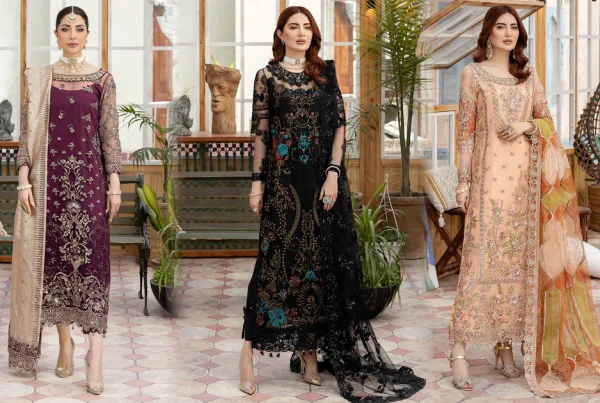
The year 2025 is a pivotal moment for Pakistani fashion, as traditional textile arts like Sindhi ajrak, Balochi embroidery, and Punjabi phulkari are experiencing a vibrant revival. These time-honored crafts, deeply embedded in Pakistan’s cultural heritage, are being reimagined by designers to create modern pret wear that resonates with both local and international audiences.
The fusion of tradition and modernity not only preserves these crafts but also positions regional Pakistani textiles as a cornerstone of 2025 fashion trends. Designers like Sania Maskatiya, Amna Arshad, and Zonia Anwar are leading this movement, blending intricate embroidery and block-printing techniques with contemporary silhouettes.
This blog explores how these traditional textile arts are being revitalized, highlights emerging artisans and brands, and offers practical styling tips to incorporate these pieces into everyday wardrobes, ensuring you stay stylish while celebrating Pakistan’s rich cultural legacy.
Sindhi Ajrak: A Timeless Craft Reimagined

What is Sindhi Ajrak?
Sindhi ajrak is a traditional block-printing technique originating from the Sindh region of Pakistan. Known for its intricate geometric and floral patterns, ajrak is typically crafted using natural dyes like indigo and madder, resulting in vibrant hues of blue, red, and white. Historically, ajrak has been a symbol of Sindhi culture, often gifted as a token of respect and worn as shawls, turbans, or draped garments. Its roots trace back to the Indus Valley civilization, making it one of the oldest textile arts in the region.
Revival in 2025 Fashion
In 2025, Sindhi ajrak is experiencing a significant resurgence, with designers incorporating its bold patterns into modern fashion. According to Vastraraag, contemporary designers are breathing new life into ajrak by using it in modal silk sarees, dresses, and fusion wear, appealing to a younger, urban audience. The craft’s emphasis on natural dyes aligns with the global push for sustainable fashion, making it a favorite among eco-conscious consumers. Brands like AJRAK are showcasing how ajrak can be adapted into chic pret wear, such as kaftans and tunics, while preserving its cultural essence. The increased demand for ajrak has also led to innovations in block-printing techniques, with designers experimenting with new colors and patterns to create catwalk-worthy pieces.
Key Trends for 2025
- Fusion Wear: Ajrak prints are being used on modern silhouettes like kaftans, tunics, and Western-style dresses, blending tradition with contemporary flair.
- Accessories: Ajrak-inspired scarves, stoles, and bags are popular for adding a pop of color to minimalist outfits.
- Sustainable Practices: Designers are returning to natural dyes and hand-block printing, emphasizing eco-friendly production methods.
Source: Vastraraag – Ajrakh in Modern Fashion, AJRAK – Revival of Ajrak in Contemporary Fashion
Balochi Embroidery: Stitching Heritage into Modernity

What is Balochi Embroidery?
Balochi embroidery, originating from Balochistan, is a meticulous hand-stitched craft known for its intricate geometric and floral patterns. Traditionally used to adorn women’s dresses, shawls, and household items, this embroidery is a symbol of Baloch cultural identity. Recognized by UNESCO as a significant cultural heritage, Balochi embroidery uses simple stitches like chain, herringbone, and satin to create complex designs, often on handwoven cotton or linen with natural-dyed threads.
Revival in 2025 Fashion
Balochi embroidery is making a strong comeback in 2025, with designers integrating it into a wide range of fashion items. Sattin magazine highlights that this craft is no longer limited to traditional garments but is now featured on jackets, coats, shirts, trousers, and accessories like bags, belts, and shoes. This versatility allows Balochi embroidery to appeal to a global audience, blending cultural heritage with modern aesthetics. The craft’s labor-intensive nature adds exclusivity, making each piece a unique work of art. Designers are also experimenting with lightweight fabrics like lawn and chiffon, making Balochi embroidery suitable for everyday wear.
Key Trends for 2025
- Embroidered Jackets: These are ideal for adding a traditional touch to modern outfits, perfect for both casual and formal settings.
- Accessories: Embroidered bags, wallets, and jewelry are gaining popularity as statement pieces.
- Fusion Wear: Balochi embroidery is being paired with Western cuts, such as embroidered blouses with skirts or pants.
Source: Sattin Magazine – Baloch Embroidery in the Fashion Industry, Voice of Balochistan – The Intricacy and Beauty of Balochi Embroidery
Punjabi Phulkari: A Global Fashion Statement

What is Punjabi Phulkari?
Punjabi phulkari, meaning “flower work,” is a vibrant embroidery technique from the Punjab region, characterized by intricate floral and geometric patterns stitched with silk threads on coarse cotton fabric. Traditionally, phulkari was crafted by women for personal use or as wedding gifts, symbolizing prosperity and heritage. Each piece was a unique heirloom, reflecting the artisan’s creativity and skill.
Revival in 2025 Fashion
In 2025, Punjabi phulkari is shining on global runways, as noted by Fibre2Fashion. Designers are reimagining this craft in contemporary pieces like dupattas, sarees, jackets, and capes, making it a staple in modern ethnic wear. The revival is driven by a renewed interest in traditional crafts and sustainability, with organizations like The Phulkari Women Artists Cooperative training rural artisans to preserve the art. Phulkari’s vibrant motifs and rich history appeal to fashion enthusiasts worldwide, and modern adaptations like Shisha Phulkari, which incorporates mirrors, ensure its relevance in 2025 fashion trends.
Key Trends for 2025
- Dupattas and Shawls: Phulkari dupattas are versatile, pairing well with both casual and formal outfits.
- Jackets and Capes: Phulkari jackets and capes add drama to modern ensembles, such as lehengas or jumpsuits.
- Upcycling: Old phulkari pieces are being transformed into bags, skirts, and other accessories, promoting sustainable fashion.
Source: Fibre2Fashion – Phulkari Embroidery: A Complete Guide, Incredible Punjab – Phulkari of Punjab
Emerging Artisans and Brands
Sania Maskatiya
Sania Maskatiya is a leading name in Pakistani fashion, renowned for her fusion of contemporary silhouettes with traditional craftsmanship. Her 2025 collections, including Luxury Pret and Bridal Couture, feature intricate hand-embroidery and luxurious fabrics that celebrate Pakistan’s textile heritage. While specific details on ajrak, phulkari, or Balochi embroidery in her 2025 collections are limited, her designs consistently incorporate cultural motifs, making her a key figure in this revival.
Amna Arshad
Amna Arshad is an emerging designer gaining international recognition in 2025. Her “Timeless Elegance” collection showcases innovative fabrics and intricate details inspired by traditional Pakistani textiles. Arshad’s ability to blend cultural heritage with modern design makes her a standout in the pret wear category.
Zonia Anwar
Zonia Anwar is another rising star, with her “Modern Heritage” collection redefining elegance in 2025. Her designs use luxurious fabrics and timeless embroidery techniques, merging cultural heritage with contemporary aesthetics. Anwar’s work appeals to those seeking culturally resonant yet modern fashion.
Styling Tips for Everyday Wardrobes
Incorporating regional Pakistani textiles into your daily wardrobe is both stylish and meaningful. Here are practical tips for each craft:
| Textile | Styling Tip | Occasion |
|---|---|---|
| Sindhi Ajrak | Pair an ajrak shawl or scarf with a white shirt and jeans for a vibrant, casual look. For formal settings, opt for an ajrak-printed dress with minimal accessories. | Casual or semi-formal |
| Balochi Embroidery | Wear an embroidered jacket over jeans or a skirt for a chic, modern vibe. Use embroidered bags or belts to add a traditional touch to Western outfits. | Casual or formal |
| Punjabi Phulkari | Toss a phulkari dupatta over a monochrome jumpsuit or pair a phulkari jacket with a lehenga for a festive look. Upcycled phulkari bags or skirts are great for everyday wear. | Casual or festive |
These styling options allow you to celebrate Pakistan’s textile heritage while staying on-trend in 2025.
Conclusion
The revival of regional Pakistani textile arts in 2025 fashion is a celebration of cultural heritage and modern innovation. Sindhi ajrak, Balochi embroidery, and Punjabi phulkari are being reimagined by designers like Sania Maskatiya, Amna Arshad, and Zonia Anwar, who are creating pret wear that bridges tradition and contemporary style.
By incorporating these pieces into your wardrobe, you not only embrace Pakistan’s rich textile legacy but also support artisans and sustainable fashion. As these crafts continue to shine on global runways, 2025 is the perfect year to explore and celebrate the beauty of regional Pakistani textiles.