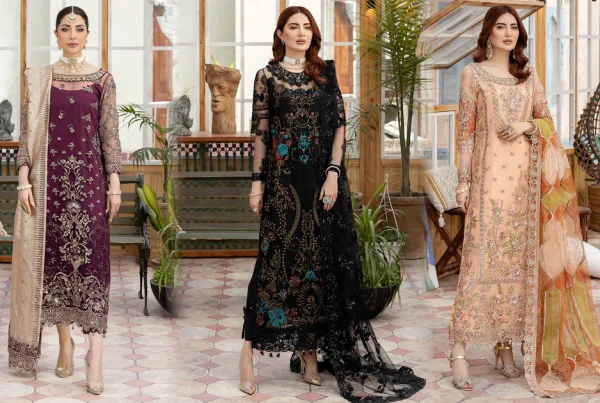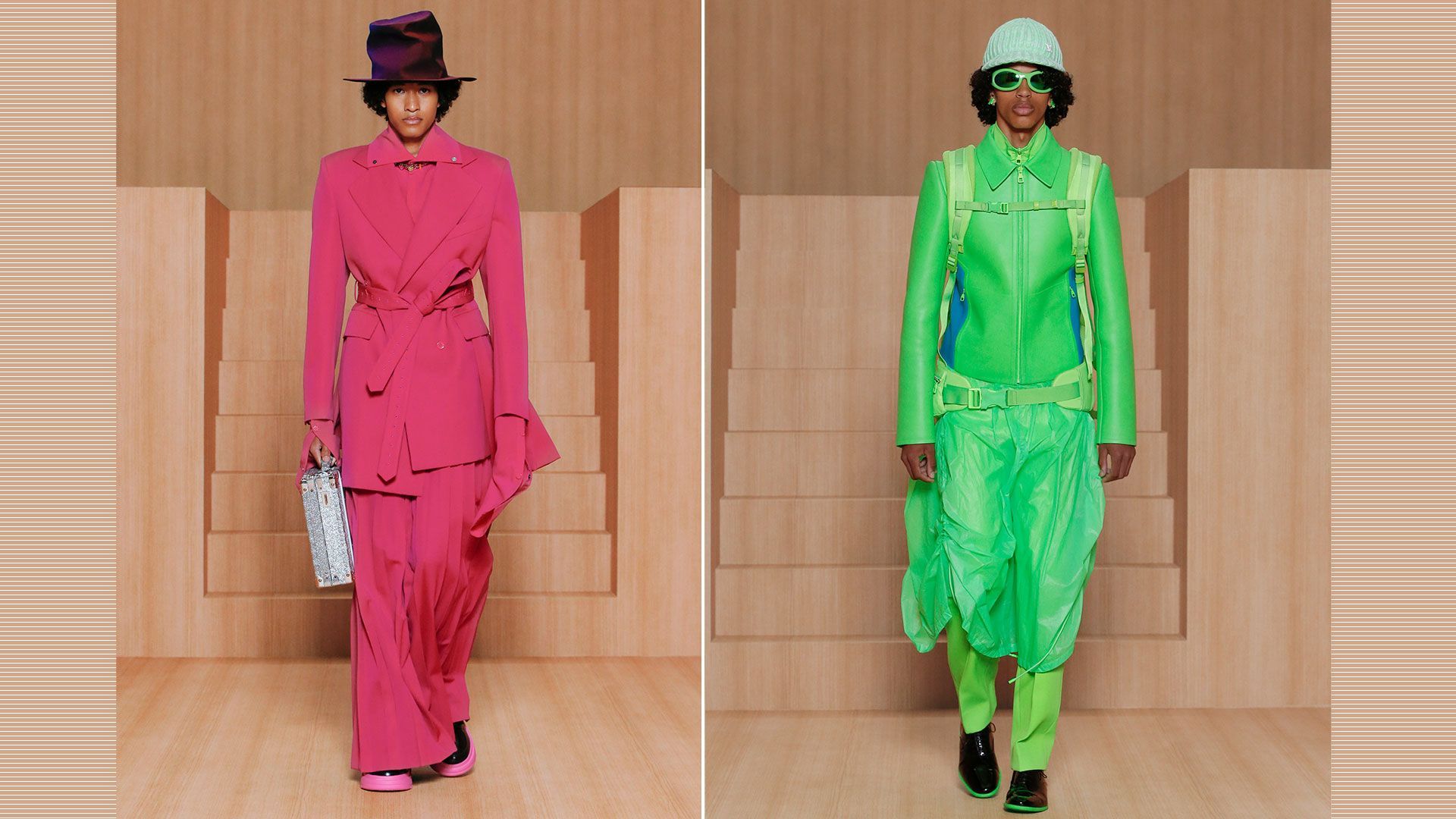
Have you ever noticed how wearing certain colors instantly lifts your mood? How a vibrant yellow kurta or a bold fuchsia dupatta makes you feel more confident and energized? That’s dopamine dressing in action—a fashion psychology phenomenon that’s taken the world by storm and aligns perfectly with South Asian fashion sensibilities.
Dopamine dressing is the practice of wearing colors and outfits that spark joy, boost confidence, and literally trigger feel-good chemicals in your brain. While the term may be trendy in Western fashion circles, the concept is nothing new to South Asian culture, where color has always been celebrated, embraced, and used to express emotion, celebrate occasions, and enhance mood.
This comprehensive guide will explore what dopamine dressing really means, dive deep into the science behind color psychology, and most importantly, help you discover which colors work best for South Asian skin tones. Whether you’re looking to brighten your everyday wardrobe, boost your confidence, or simply understand why certain colors make you feel amazing, this guide has everything you need to harness the power of dopamine dressing.
Understanding Dopamine Dressing: The Science and Psychology
What is Dopamine?
Before we dive into dopamine dressing, let’s understand what dopamine actually is.
Dopamine is a neurotransmitter—a chemical messenger in your brain that plays a crucial role in how we experience pleasure, motivation, and reward. Often called the “feel-good” chemical, dopamine is released when we:
- Experience something pleasurable
- Achieve a goal
- Receive a compliment
- Engage in activities we enjoy
- See or wear colors we love
Higher dopamine levels are associated with:
- Improved mood and happiness
- Increased motivation and energy
- Better focus and concentration
- Enhanced confidence and self-esteem
- Reduced anxiety and stress
- Greater sense of well-being
The Concept of Dopamine Dressing
Dopamine dressing is the intentional practice of wearing clothing—particularly colors, patterns, and styles—that trigger positive emotions and boost your mood. The term was popularized by fashion psychologist Dawnn Karen and gained mainstream attention during the pandemic when people sought ways to improve their mental well-being through fashion choices.
Core Principles:
- Personal Connection: Dopamine dressing is deeply personal—what sparks joy for you might differ from others
- Mood Enhancement: The primary goal is to improve your emotional state through clothing choices
- Color Psychology: Leveraging how different colors affect emotions and energy
- Self-Expression: Using fashion as a tool for authentic self-expression
- Intentionality: Making conscious clothing choices based on desired mood or outcome
How It Works:
When you wear colors or outfits that make you happy:
- Your brain releases dopamine
- You feel more confident and positive
- Others respond to your elevated energy
- This creates a positive feedback loop
- Your overall mood and demeanor improve
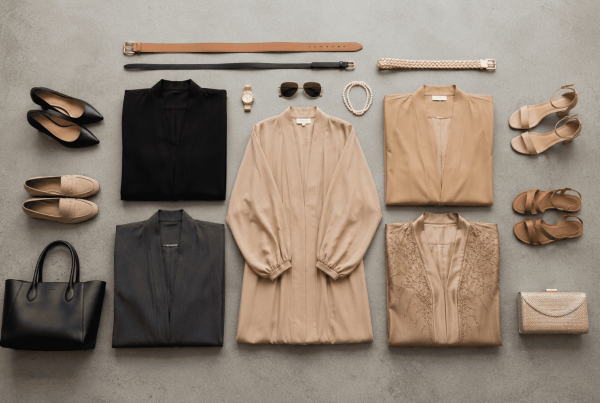
Important Note: Dopamine dressing isn’t about following trends or rules—it’s about wearing what makes YOU feel good. If neutrals bring you joy, that’s your dopamine palette. If bold brights energize you, embrace them.
Why Dopamine Dressing Resonates with South Asian Culture
South Asian fashion has always been inherently aligned with dopamine dressing principles, long before the term existed.
Cultural Context:
- Celebration of Color: South Asian culture has always embraced vibrant, bold colors rather than neutral minimalism
- Emotional Expression: Colors carry cultural and emotional significance (red for brides, white for mourning, green for prosperity)
- Festival Fashion: Special occasions call for brightest, most joyful colors
- Regional Pride: Different regions have signature color palettes and textile traditions
- Textile Heritage: Rich history of colorful textiles, intricate prints, and bold dyes
Traditional Dopamine Dressing:
South Asians have been practicing dopamine dressing for centuries:
- Weddings: Brightest colors (red, pink, gold) for celebration
- Festivals: Vibrant hues for Eid, Diwali, Holi, Baisakhi
- Spring: Bright yellows, pinks, and greens to mirror nature
- Monsoon: Blues and teals reflecting the season
- Winter: Rich jewel tones and warm colors
The Western “discovery” of dopamine dressing simply validates what South Asian culture has always known: color affects mood, and dressing joyfully matters.
Color Psychology: How Colors Affect Mood and Energy
Understanding color psychology helps you make intentional choices about what to wear and when.
The Science of Color Psychology
Color psychology studies how hues affect human behavior, emotions, and decision-making. While responses to color can be culturally influenced, certain reactions appear universal:
Warm Colors (Red, Orange, Yellow):
- Stimulating and energizing
- Increase heart rate and blood pressure
- Associated with excitement and passion
- Can boost appetite and energy
- Create sense of warmth and comfort
Cool Colors (Blue, Green, Purple):
- Calming and soothing
- Reduce heart rate and blood pressure
- Associated with tranquility and peace
- Can decrease appetite
- Create sense of space and serenity
Neutral Colors (White, Black, Gray, Brown, Beige):
- Grounding and balancing
- Can be calming or sophisticated
- Provide visual rest
- Allow other colors to stand out
- Versatile and timeless
Individual Color Meanings and Effects
Red (लाल / لال / ரத்தம்)
Psychological Effects:
- Passion, energy, excitement
- Increases heart rate and blood pressure
- Stimulates appetite and conversation
- Associated with power and confidence
- Can evoke strong emotions
In South Asian Culture:
- Bridal Color: Primary color for Hindu and Sikh brides
- Auspicious: Associated with prosperity and good fortune
- Festivals: Worn during celebrations
- Power Color: Indicates status and importance
When to Wear:
- When you need confidence boost
- Important meetings or presentations
- Social events where you want to stand out
- Celebratory occasions
- When feeling low energy
Dopamine Rating: ⭐⭐⭐⭐⭐ (Very High – powerful mood booster)
Pink (गुलाबी / گلابی / இளஞ்சிவப்பு)
Psychological Effects:
- Joy, playfulness, romance
- Reduces aggression and anxiety
- Associated with compassion and nurturing
- Uplifting and cheerful
- Youthful and optimistic energy
In South Asian Culture:
- Wedding Season: Popular for Mehendi and Sangeet
- Spring Color: Associated with renewal
- Feminine: Traditional feminine color
- Festive: Common in celebration attire
When to Wear:
- Social gatherings and parties
- Date nights or romantic occasions
- When you want to feel playful
- Spring and summer events
- To soften a serious outfit
Dopamine Rating: ⭐⭐⭐⭐⭐ (Very High – instant mood lifter)
Orange (नारंगी / نارنجی / ஆரஞ்சு)
Psychological Effects:
- Enthusiasm, creativity, energy
- Stimulates mental activity
- Associated with warmth and excitement
- Encourages social interaction
- Appetite stimulant
In South Asian Culture:
- Spiritual: Associated with Hinduism (worn by sadhus)
- Auspicious: Color of fire and purity
- Harvest: Represents abundance
- Energetic: Popular for festive occasions
When to Wear:
- Creative projects or brainstorming
- Social events and gatherings
- When you need motivation
- Autumn season dressing
- To make a bold statement
Dopamine Rating: ⭐⭐⭐⭐⭐ (Very High – energizing and uplifting)
Yellow (पीला / پیلا / மஞ்சள்)
Psychological Effects:
- Happiness, optimism, clarity
- Stimulates mental processes
- Associated with sunshine and joy
- Increases energy and cheerfulness
- Can improve focus
In South Asian Culture:
- Auspicious: Sacred in Hinduism (turmeric color)
- Mehendi Color: Traditional for pre-wedding events
- Spring: Associated with mustard fields
- Prosperity: Symbolizes wealth and success
When to Wear:
- When feeling down or low energy
- Spring and summer occasions
- Mehendi and Haldi ceremonies
- To brighten rainy days
- When you want to spread positivity
Dopamine Rating: ⭐⭐⭐⭐⭐ (Very High – powerful mood elevator)
Green (हरा / سبز / பச்சை)
Psychological Effects:
- Balance, harmony, growth
- Reduces stress and anxiety
- Associated with nature and renewal
- Calming yet energizing
- Promotes feeling of safety
In South Asian Culture:
- Islamic Color: Significant in Muslim culture
- Prosperity: Associated with growth and abundance
- Nature: Represents fertility and life
- Eid: Traditional color for celebrations
When to Wear:
- When you need to feel grounded
- Stressful situations requiring calm
- Spring season dressing
- Eid celebrations
- Professional settings (balanced energy)
Dopamine Rating: ⭐⭐⭐⭐ (High – calming and refreshing)
Blue (नीला / نیلا / நீலம்)
Psychological Effects:
- Calm, trust, serenity
- Lowers blood pressure and heart rate
- Associated with stability and confidence
- Reduces appetite
- Promotes mental clarity
In South Asian Culture:
- Krishna: Associated with Lord Krishna
- Traditional: Common in indigo-dyed textiles
- Professional: Increasingly popular in modern wear
- Coastal: Reflects water and sky
When to Wear:
- High-stress days requiring calm
- Professional settings
- When you need to appear trustworthy
- Hot weather (psychologically cooling)
- Interviews or important meetings
Dopamine Rating: ⭐⭐⭐ (Moderate – more calming than energizing)
Purple/Magenta (बैंगनी / جامنی / ஊதா)
Psychological Effects:
- Luxury, creativity, spirituality
- Associated with wisdom and dignity
- Stimulates imagination
- Balances emotion and practicality
- Mysterious and sophisticated
In South Asian Culture:
- Royal Color: Historically associated with royalty
- Wedding: Popular for formal wedding events
- Festive: Common in celebration attire
- Modern: Trendy in contemporary fashion
When to Wear:
- Creative endeavors
- Evening events and parties
- When you want to feel sophisticated
- Formal occasions
- To make a unique statement
Dopamine Rating: ⭐⭐⭐⭐ (High – luxurious and uplifting)
Turquoise/Teal (फ़िरोज़ा / فیروزی / நீலப்பச்சை)
Psychological Effects:
- Refreshing, balancing, communicative
- Combines calm of blue with renewal of green
- Associated with clarity and emotional balance
- Uplifting without being overwhelming
- Promotes self-confidence
In South Asian Culture:
- Modern Favorite: Increasingly popular in contemporary fashion
- Refreshing: Popular for summer wear
- Unique: Stands out without being bold
- Versatile: Works for various occasions
When to Wear:
- When you need balanced energy
- Summer events and gatherings
- To feel refreshed and renewed
- Beach or poolside occasions
- When you want calm confidence
Dopamine Rating: ⭐⭐⭐⭐ (High – refreshing and uplifting)
White (सफ़ेद / سفید / வெள்ளை)
Psychological Effects:
- Purity, clarity, freshness
- Creates sense of spaciousness
- Associated with new beginnings
- Can be calming or stark
- Promotes feeling of cleanliness
In South Asian Culture:
- Mourning: Traditionally worn for mourning (except in some regions)
- Purity: Associated with spiritual purity
- Summer: Popular for hot weather
- Modern: Increasingly fashionable in contemporary style
When to Wear:
- Hot summer days (reflects heat)
- When you want to feel fresh and clean
- Minimalist aesthetic days
- As a base for colorful accessories
- Professional settings
Dopamine Rating: ⭐⭐⭐ (Moderate – more neutral than energizing)
Black (काला / کالا / கருப்பு)
Psychological Effects:
- Power, sophistication, mystery
- Can be slimming
- Associated with authority
- Can feel heavy or serious
- Provides visual grounding
In South Asian Culture:
- Not Traditional: Less common in traditional wear
- Modern: Popular in contemporary fashion
- Evening: Acceptable for formal evening events
- Funeral: Some regions use for mourning
When to Wear:
- When you want to feel powerful
- Formal evening events
- To appear sophisticated
- Modern professional settings
- When you want to fade into background
Dopamine Rating: ⭐⭐ (Low – more grounding than uplifting for most)
Dopamine Dressing Colors for South Asian Skin Tones
One of the most important aspects of dopamine dressing is choosing colors that not only elevate your mood but also flatter your skin tone. The right colors make you look healthy, radiant, and confident—amplifying the dopamine effect.
South Asian skin tones are incredibly diverse, ranging from very fair to very deep, with various undertones. Let’s break down which dopamine colors work best for different skin tones.
Understanding South Asian Skin Tones
South Asian skin tones are typically categorized along a spectrum, but remember—these are general guidelines, and personal preference always matters.
Fair to Light (MAC NC15-NC25):
- Light beige to light brown
- Can have yellow, olive, or neutral undertones
- May tan or burn in sun
- Common across North India, Pakistan, Kashmir, Sri Lanka
Light to Medium (MAC NC30-NC35):
- Medium beige to medium brown
- Usually warm yellow or golden undertones
- Tans easily, rarely burns
- Very common across South Asia
Medium to Deep (MAC NC40-NC45):
- Medium brown to dark brown
- Rich warm or neutral undertones
- Always tans, never burns
- Common across all South Asian regions
Deep to Very Deep (MAC NC50-NC55):
- Dark brown to very deep brown
- Rich, warm undertones or deep cool tones
- Beautiful natural depth
- Common in South India, Sri Lanka, coastal regions
Undertone Matters
Skin undertone is even more important than depth when choosing flattering colors:
Warm Undertones (Yellow, Golden, Peachy):
- Veins appear greenish
- Gold jewelry looks better than silver
- Look best in warm colors (reds, oranges, yellows, warm greens)
Cool Undertones (Pink, Red, Blue):
- Veins appear bluish or purple
- Silver jewelry looks better than gold
- Look best in cool colors (blues, purples, cool pinks, emerald)
Neutral Undertones (Mix of Warm and Cool):
- Veins appear blue-green
- Both gold and silver look good
- Lucky you—most colors work!
Olive Undertones (Green-based):
- Common in South Asians
- Both warm and cool colors can work
- Earthy tones particularly flattering
Best Dopamine Colors by Skin Tone
For Fair to Light Skin Tones
High-Impact Dopamine Colors:
- Bright Fuchsia/Hot Pink:
- Creates stunning contrast
- Very flattering and energizing
- Perfect for Mehendi and celebrations
- Instant mood booster
- Royal Blue/Cobalt:
- Makes fair skin appear luminous
- Creates elegant, confident look
- Versatile for various occasions
- Professional yet vibrant
- Emerald Green:
- Particularly flattering on fair olive tones
- Rich and luxurious
- Great for formal events
- Sophisticated dopamine boost
- Coral/Peach:
- Warm and glowing effect
- Perfect for everyday dopamine dressing
- Looks healthy and fresh
- Versatile and approachable
- Deep Purple/Magenta:
- Creates regal appearance
- Works for both casual and formal
- Unique without being overwhelming
- Luxurious mood elevation
Colors to Approach Carefully:
- Very pale pastels (can wash out)
- Stark white (may be too harsh)
- Very bright yellows (can look jarring)
- Neon colors (may overwhelm delicate coloring)
Styling Tips:
- Can wear both warm and cool colors successfully
- Jewel tones are particularly stunning
- Rich, saturated colors create beautiful contrast
- Pastels work if they have enough color saturation
For Light to Medium Skin Tones
High-Impact Dopamine Colors:
- Bright Red/Cherry Red:
- Absolutely stunning on this tone
- Creates confident, powerful look
- Traditional and celebratory
- Maximum dopamine impact
- Sunshine Yellow/Mustard:
- Makes skin appear golden and glowing
- Perfect for warm undertones
- Energizing and joyful
- Cultural significance (turmeric, Mehendi)
- Turquoise/Teal:
- Beautiful contrast with warm skin
- Modern and refreshing
- Works for many occasions
- Balanced dopamine effect
- Burnt Orange:
- Complements golden undertones beautifully
- Warm and inviting
- Great for autumn/winter
- Energizing without being harsh
- Hot Pink/Magenta:
- Vibrant and flattering
- Creates youthful, joyful appearance
- Perfect for celebrations
- High dopamine rating
Colors to Approach Carefully:
- Pale yellow (may look sallow on warm undertones)
- Beige/tan (can blend with skin tone)
- Dull greens (may clash with golden undertones)
- Washed-out pastels
Styling Tips:
- Most fortunate skin tone—nearly all colors work
- Warm colors particularly stunning
- Can wear bold, saturated hues beautifully
- Experiment with color combinations freely
For Medium to Deep Skin Tones
High-Impact Dopamine Colors:
- Bright White/Ivory:
- Creates stunning contrast
- Fresh and clean appearance
- Modern and sophisticated
- Reflects light beautifully
- Rich Royal Blue:
- Incredibly flattering
- Regal and confident
- Versatile for many occasions
- Classic dopamine color
- Vibrant Fuchsia/Magenta:
- Spectacular on deeper tones
- Energetic and joyful
- Perfect for celebrations
- High-impact mood booster
- Sunset Orange/Coral:
- Glowing, radiant effect
- Warm and inviting
- Great for festivals
- Uplifting and energizing
- Emerald/Kelly Green:
- Rich and luxurious
- Beautiful with deep skin
- Traditional and modern
- Sophisticated dopamine boost
Colors to Approach Carefully:
- Brown/tan (may not provide enough contrast)
- Muddy colors (can look dull)
- Very dark colors only (may not highlight beauty)
- Washed-out pastels (may not pop)
Styling Tips:
- Bold, saturated colors are stunning
- Bright whites and creams are incredibly flattering
- Metallic accents (gold) look spectacular
- Can wear colors many other tones can’t pull off
For Deep to Very Deep Skin Tones
High-Impact Dopamine Colors:
- Bright Yellow/Golden Yellow:
- Absolutely radiant on deep skin
- Creates joyful, sun-kissed appearance
- Cultural significance
- Maximum dopamine impact
- Hot Pink/Fuchsia:
- Stunning contrast and vibrancy
- Youthful and energetic
- Perfect for celebrations
- Unforgettable impact
- Crisp White:
- Breathtaking on very deep tones
- Clean, modern, sophisticated
- Creates dramatic contrast
- Versatile dopamine boost
- Electric Blue/Cobalt:
- Incredibly flattering
- Rich and regal
- Works for all occasions
- Confident and uplifting
- Bright Red/True Red:
- Powerful and stunning
- Traditional and celebratory
- Creates elegant statement
- High-impact mood elevator
Colors to Approach Carefully:
- Very dark colors exclusively (don’t hide your beauty)
- Muddy or dull tones
- Colors that blend too much with skin
- Very muted pastels
Styling Tips:
- Embrace bold, bright colors fearlessly
- Metallics (especially gold) are incredibly flattering
- Pure, saturated hues look spectacular
- Don’t shy away from color—you can wear what others can’t
- Contrast is your friend
Universal Dopamine Colors for All South Asian Skin Tones
Some colors work beautifully across the entire South Asian skin tone spectrum:
1. Fuchsia/Hot Pink:
- Flattering on literally every skin tone
- Instant mood booster
- Perfect for celebrations
- Varies in intensity but always works
2. Teal/Turquoise:
- Beautiful balance of warm and cool
- Refreshing and modern
- Works for various occasions
- Universally flattering
3. Coral:
- Warm and glowing on all tones
- Adjusts intensity based on skin depth
- Approachable and joyful
- Versatile dopamine color
4. Royal Blue:
- Classic and elegant on everyone
- Adjusts to complement each tone
- Professional and festive
- Reliable dopamine boost
5. Emerald Green:
- Rich and luxurious across spectrum
- Cultural significance
- Works for all occasions
- Sophisticated mood elevator
Creating Your Personal Dopamine Color Palette
Dopamine dressing is most effective when you identify YOUR personal dopamine colors—the hues that make you feel amazing.
Step 1: Identify Your Joy Colors
Exercise: The Wardrobe Review
- Look through your closet
- Pull out items you reach for repeatedly
- Notice which colors dominate
- Identify patterns in what makes you happy
Questions to Ask:
- Which colors do you get most compliments in?
- What do you wear on “pick me up” days?
- Which colors do you feel most confident in?
- What colors make you smile when you see them?
- Which colors do you associate with happy memories?
Step 2: Test Your Responses
The Mirror Test:
- Hold different colored fabrics near your face
- Observe your immediate reaction
- Notice which colors make your skin glow
- Pay attention to which colors spark joy
- Don’t overthink—trust your gut response
Questions During Testing:
- Does this color make me look tired or energized?
- Do I feel happy or neutral wearing this?
- Does this complement or clash with my skin?
- Would I feel confident wearing this out?
- Does this reflect my personality?
Step 3: Consider Context
Different situations may call for different dopamine colors:
Professional Dopamine Colors:
- Still bright but professionally acceptable
- Royal blue, emerald, burgundy, teal
- Sophisticated fuchsia or purple
- Rich jewel tones
- Avoid neon or overwhelming brightness
Social Event Dopamine Colors:
- Full spectrum available
- Bold pinks, yellows, oranges
- Metallics and shimmer
- Vibrant combinations
- Maximum expression allowed
Everyday Dopamine Colors:
- Practical yet uplifting
- Coral, turquoise, soft yellow
- Comfortable brights
- Wearable but joyful
- Easy-care colors
Special Occasion Dopamine Colors:
- Show-stopping choices
- Hot pink, electric blue, bright red
- Heavily embellished bright colors
- Traditional festive colors
- Memory-making hues
Step 4: Build Your Palette
Create a personal dopamine color palette with 5-7 core colors:
Your Formula:
- 2-3 Power Colors: Your absolute confidence boosters
- 2-3 Feel-Good Colors: Everyday mood elevators
- 1-2 Surprise Colors: Unexpected choices that work
- 1-2 Neutral Anchors: To balance your brights
Example Palette 1 (Warm-toned, Medium Skin):
- Power: Bright Red, Mustard Yellow
- Feel-Good: Coral, Turquoise
- Surprise: Purple, Hot Pink
- Neutral: Cream, Gold
Example Palette 2 (Cool-toned, Fair Skin):
- Power: Royal Blue, Emerald
- Feel-Good: Fuchsia, Lavender
- Surprise: Bright White, Teal
- Neutral: Silver, Gray
Example Palette 3 (Warm-toned, Deep Skin):
- Power: Bright Yellow, Hot Pink
- Feel-Good: Orange, Emerald
- Surprise: Crisp White, Cobalt
- Neutral: Gold, Cream
Step 5: Test in Real Life
Wear your dopamine colors and track how you feel:
Tracking Exercise:
- Wear a dopamine color
- Note your energy level (1-10)
- Track compliments received
- Observe your confidence
- Notice how others respond to you
- Record your overall mood
Do this for 1-2 weeks to identify true dopamine colors versus colors you think should work.
Dopamine Dressing in South Asian Fashion Contexts
Let’s explore how to incorporate dopamine dressing into various South Asian fashion scenarios.
Traditional Wear Dopamine Dressing
Shalwar Kameez:
High Dopamine Combinations:
- Hot pink kameez + orange dupatta + yellow shalwar (bold festive)
- Turquoise suit with coral embroidery (modern vibrant)
- Sunshine yellow with green accents (traditional joyful)
- Fuchsia base with multicolor embroidery (celebration-ready)
Medium Dopamine Combinations:
- Royal blue with silver work (sophisticated uplifting)
- Coral monochrome (elegant mood boost)
- Emerald with gold details (rich and confident)
- Teal with white embroidery (fresh and balanced)
Subtle Dopamine Combinations:
- Cream with bright embroidered border (gentle pop)
- Beige with colorful dupatta (neutrals with joy accent)
- White with vibrant accessories (clean with energy)
Lehenga/Ghagra:
Maximum Dopamine:
- Hot pink lehenga with orange blouse
- Yellow lehenga with fuchsia dupatta
- Multicolor lehenga with bold prints
- Bright red with heavy gold embroidery
Balanced Dopamine:
- Turquoise lehenga with coral blouse
- Emerald lehenga with gold dupatta
- Royal blue with pink accents
- Purple with silver embellishments
Saree:
Dopamine Draping:
- Bright silk sarees in jewel tones
- Vibrant printed chiffon in multiple colors
- Bandhani in traditional bright colors
- Kanjivaram with bold contrasting borders
- Banarasi in rich reds, pinks, or golds
Styling Tip: Even if saree is neutral, use bright blouse or accessories for dopamine boost.
Fusion/Contemporary Dopamine Dressing
Indo-Western Fusion:
- Bright kurta with jeans in complementary color
- Colorful long jacket over white outfit
- Vibrant cape over neutral base
- Bright palazzo with contrasting top
- Colorful anarkali-style dress
Modern Office Wear:
- Royal blue or emerald formal kurta
- Coral straight-cut suit
- Turquoise contemporary silhouette
- Fuchsia with professional tailoring
- Rich jewel-tone separates
Casual Contemporary:
- Bright short kurta with leggings
- Colorful co-ord sets
- Vibrant tunics with jeans
- Bright colors in modern cuts
- Color-blocked outfits
Occasion-Based Dopamine Dressing
Weddings:
As Bride:
- Red remains timeless dopamine choice
- Pink/fuchsia for modern brides
- Orange for energetic, joyful vibe
- Multicolor embroidery for maximum joy
- Deep jewel tones for sophistication
As Guest:
- Bright but not bridal colors
- Jewel tones in emerald, sapphire, amethyst
- Hot pink or fuchsia (if not bride’s color)
- Turquoise or teal for uniqueness
- Rich purples and oranges
Mehendi:
- Yellow (traditional dopamine choice)
- Green (culturally appropriate)
- Orange (vibrant and festive)
- Multicolor (celebratory mood)
- Bright combinations welcome
Eid/Diwali:
- Traditional festive colors
- Rich jewel tones
- Gold and metallics
- Culturally significant brights
- Maximum color expression encouraged
Casual Social Events:
- Personal dopamine colors freely
- Comfortable brights
- Playful combinations
- Expression-focused choices
Accessorizing for Dopamine Enhancement
Accessories are powerful dopamine tools, especially when you can’t wear bright colors in primary outfit.
Jewelry
Colorful Jewelry:
- Kundan with colored stones
- Meenakari enamel work
- Colored gemstone pieces
- Vibrant thread jewelry
- Bright oxidized pieces
Dopamine Through Metal:
- Gold (warm, luxurious, traditional)
- Silver (cool, modern, fresh)
- Rose gold (romantic, trendy)
- Mixed metals (playful, eclectic)
Strategic Use:
- Bright jewelry with neutral outfit = instant dopamine
- Statement necklace in dopamine color
- Colorful bangles stack
- Vibrant earrings for face-framing joy
Dupattas and Scarves
The Easiest Dopamine Tool:
- Bright dupatta with simple suit
- Contrasting colors for visual interest
- Printed dupattas with solid outfits
- Multiple colors in one dupatta
- Metallics for festive dopamine
Styling Tips:
- Drape to showcase color
- Let bright dupatta be focal point
- Mix unexpected color combinations
- Use dupatta to introduce dopamine color
Bags and Shoes
Colorful Accessories:
- Bright embellished clutches
- Colorful juttis/mojaris
- Vibrant handbags
- Statement shoes in dopamine colors
- Metallic accessories for shimmer
Strategic Approach:
- Colorful shoes with neutral outfit
- Bright bag as statement piece
- Color-coordinated accessories
- Unexpected color pops
Other Accessories
Dopamine Through Details:
- Bright bindis or tikkas
- Colorful hair accessories
- Vibrant nail polish
- Colorful phone cases
- Statement sunglasses
- Bright watches or bracelets
Common Dopamine Dressing Mistakes to Avoid
Mistake 1: Following Rules Instead of Joy
The Problem: Wearing colors you think you should wear rather than colors that make you happy.
The Solution: Dopamine dressing is personal. If grey makes you feel amazing, that’s YOUR dopamine color. Don’t force yourself into bright colors if they don’t bring joy.
Mistake 2: Ignoring Skin Tone Entirely
The Problem: Wearing colors that drain you rather than flatter you undermines the dopamine effect.
The Solution: Find dopamine colors that ALSO flatter your skin tone. There are bright, joyful colors for every skin tone—find yours.
Mistake 3: All Bright Everything
The Problem: Overwhelming yourself with too many bright colors simultaneously can be visually exhausting.
The Solution: Balance bright dopamine colors with neutrals. Use 60-30-10 rule: 60% neutral, 30% dopamine color, 10% accent.
Mistake 4: Occasion Inappropriateness
The Problem: Wearing neon orange to a conservative professional meeting because “dopamine dressing.”
The Solution: Adapt dopamine dressing to context. Professional dopamine colors exist—royal blue, emerald, rich burgundy. Save maximum brightness for appropriate settings.
Mistake 5: Forcing Trends
The Problem: Wearing trendy dopamine colors that don’t personally resonate.
The Solution: Trends are suggestions, not rules. Your dopamine colors are personal and timeless for YOU.
Mistake 6: Neglecting Fit and Quality
The Problem: Focusing only on color while ignoring fit, quality, and style.
The Solution: Dopamine dressing works best when clothing fits well and is comfortable. A perfectly fitting garment in your dopamine color is unbeatable.
Mistake 7: Stopping at Clothing
The Problem: Only using dopamine colors in clothes, missing accessory opportunities.
The Solution: Accessories, makeup, nail polish, and hair accessories all offer dopamine opportunities without full commitment.
Dopamine Dressing for Different Moods and Goals
Use dopamine dressing strategically based on what you need that day.
When You Need Energy
Best Colors:
- Bright orange
- Sunshine yellow
- Hot pink
- Coral
- Bright red
Styling:
- Wear as main garment color
- Bold, saturated versions
- Pair with comfortable cuts
- Minimal neutrals
When You Need Calm
Best Colors:
- Soft blue
- Gentle green
- Lavender
- Turquoise
- Soft pink
Styling:
- Softer saturations
- Flowing fabrics
- Comfortable silhouettes
- Soothing combinations
When You Need Confidence
Best Colors:
- Bright red
- Royal blue
- Emerald green
- Deep purple
- Bold fuchsia
Styling:
- Well-fitted garments
- Rich, saturated hues
- Strategic placement (near face)
- Polished finishing
When You Need Creativity
Best Colors:
- Purple
- Orange
- Turquoise
- Yellow
- Unconventional combinations
Styling:
- Unexpected pairings
- Mix of colors
- Playful elements
- Personal expression
When You Need Comfort
Best Colors:
- Personal favorites
- Soft, warm tones
- Colors associated with happy memories
- Gentle, soothing hues
Styling:
- Comfortable fabrics
- Familiar styles
- Easy-to-wear pieces
- Low-maintenance colors
Cultural Considerations and Modern Adaptations
Respecting Cultural Color Meanings
While dopamine dressing is personal, be mindful of cultural contexts:
Colors to Avoid for Certain Occasions:
- White for Hindu/Sikh weddings (traditionally mourning)
- Black for some traditional celebrations
- Red when attending someone else’s wedding (bride’s color)
- Colors specifically requested to avoid by hosts
Cultural Sensitivity:
- Consider event significance
- Respect family traditions
- Ask when unsure
- Adapt personal dopamine dressing to context
Modern South Asian Color Breaking
New Approaches:
- White for modern weddings (increasingly accepted)
- Black for contemporary formal events
- Pastels for traditional occasions
- Western color psychology in Eastern wear
Balance:
- Honor tradition when appropriate
- Embrace modernity where welcome
- Personal joy within cultural respect
- Generational understanding
Practical Tips for Building a Dopamine Wardrobe
Starting Small
Begin With:
- One dopamine color statement piece
- Colorful accessories (low commitment)
- Bright dupatta (easy addition)
- Colorful home wear (comfortable practice)
- Festive occasion pieces (expected brightness)
Gradually Add:
- Second dopamine color
- Color combinations
- Bolder choices
- Work-appropriate dopamine pieces
- Full outfits in joy colors
Budget-Friendly Dopamine Dressing
Smart Strategies:
- Buy key pieces in dopamine colors
- Use accessories for color (less expensive)
- DIY: dye white clothes in dopamine colors
- Shop sales for bright colors (often discounted)
- Invest in quality neutrals, play with colorful basics
- Borrow/swap with friends for variety
Sustainable Dopamine Dressing
Eco-Conscious Approaches:
- Buy quality dopamine pieces that last
- Choose natural dye colors when possible
- Support ethical brands offering bright colors
- Care for colorful pieces properly (last longer)
- Rewear and restyle existing dopamine items
- Upcycle with colorful embellishments
Maintaining Dopamine Colors
Color Care:
- Wash bright colors separately
- Use cold water to prevent fading
- Turn inside out when washing
- Avoid excessive sun exposure when drying
- Store away from direct sunlight
- Use color-safe detergents
- Hand wash delicate bright pieces
Frequently Asked Questions
Is dopamine dressing scientifically proven?
While the exact mechanism of “dopamine dressing” is simplified, the connection between color, mood, and brain chemistry is well-established in color psychology research. Wearing colors you love does improve mood and confidence, though the neurochemistry is more complex than just “dopamine release.”
Can I do dopamine dressing with neutral colors?
Absolutely! If neutral colors bring you joy, confidence, and comfort, they ARE your dopamine colors. Dopamine dressing is about wearing what makes YOU feel good, not following brightness rules.
What if my workplace doesn’t allow bright colors?
Incorporate dopamine colors through:
- Accessories (shoes, bags, jewelry)
- Undergarments (you’ll know they’re there)
- Lunch-time outfit changes
- Colorful linings in neutral clothes
- Subtle pops (colorful watch, phone case)
- Weekend wardrobe
How do I know which colors are my dopamine colors?
Trust your gut reaction. Your dopamine colors are the ones that:
- Make you smile when you see them
- Get you compliments
- Make you feel confident
- You reach for repeatedly
- Energize or comfort you
- Reflect your personality
Can dopamine dressing work for modest dressing?
Yes! Dopamine dressing is about color and personal joy, not exposure. Modest wear in bright, joyful colors is perfectly aligned with dopamine dressing principles. Many traditional South Asian modest styles embrace vibrant colors beautifully.
What if I look washed out in bright colors?
Find YOUR version of bright:
- Jewel-toned brights (richer, deeper)
- Softer saturations (less neon)
- Bright accessories with neutral base
- Colors that complement your undertones
- Medium-bright versions of colors
Is dopamine dressing appropriate for all ages?
Yes! Dopamine dressing is for everyone. The expression may change (subtle dopamine colors for some, bold for others), but using color for mood enhancement is ageless.
How do I transition from neutral to colorful wardrobe?
Start slowly:
- Add one colorful piece at a time
- Begin with accessories
- Try colorful home/weekend wear first
- Build confidence gradually
- Find your personal comfort level
- Remember: you don’t have to go full bright if it’s not you
Conclusion: Embracing Joyful Color in Your Life
Dopamine dressing isn’t a trend—it’s a return to the joyful relationship with color that South Asian culture has always celebrated. Whether you’re wearing a vibrant fuchsia lehenga to a wedding, a cheerful yellow kurta to brighten a Monday, or simply adding a bright dupatta to your everyday outfit, you’re participating in an ancient practice of using color to enhance mood and express identity.
Your Dopamine Dressing Journey
Remember:
- Personal: Your dopamine colors are uniquely yours
- Cultural: Honor tradition while embracing personal joy
- Flexible: Adapt to occasion and context
- Flattering: Choose colors that enhance your natural beauty
- Joyful: The goal is happiness, not rules
- Balanced: Mix brights with neutrals strategically
- Confident: Wear your dopamine colors with pride
The South Asian Advantage
As a South Asian, you have a cultural advantage in dopamine dressing:
- Rich textile heritage celebrating color
- Cultural acceptance of bright, bold hues
- Festivals and occasions encouraging vibrant dress
- Family and community appreciation of color
- Diverse skin tones that work with various palettes
- Traditional wisdom about color’s emotional impact
Moving Forward
Start your dopamine dressing journey today:
- Identify your joy colors
- Try one new bright color this week
- Notice how color affects your mood
- Build your personal palette
- Share the joy with others
- Celebrate your cultural color heritage
Dopamine dressing is ultimately about honoring yourself—your mood, your personality, your needs, and your joy. In a world that often defaults to neutral, choosing color is an act of optimism, self-expression, and cultural celebration.
So go ahead—wear that hot pink, embrace that sunshine yellow, rock that emerald green. Your brain, your mood, and your confidence will thank you. And remember: in South Asian fashion, you’ve been doing dopamine dressing all along. Now you just have a name for it.
Here’s to a more colorful, joyful, dopamine-filled wardrobe and life!
About This Guide: This comprehensive resource combines fashion psychology, color theory, South Asian cultural knowledge, and practical styling advice to help you harness the power of dopamine dressing in a way that honors both scientific understanding and cultural tradition. Wear your joy, celebrate your heritage, and let your colors shine.