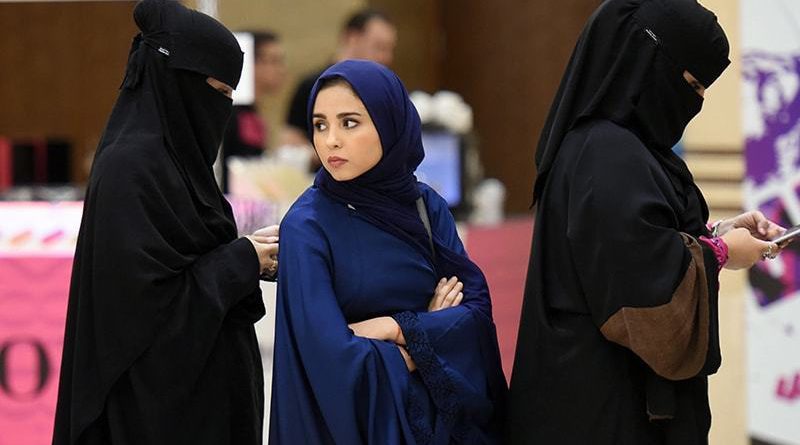
Summer in Saudi Arabia is not just warm—it’s relentlessly, intensely, extraordinarily hot. With temperatures regularly soaring to 45-50°C (113-122°F) and occasionally reaching an almost unbearable 52°C (126°F), the Kingdom’s summer months test the limits of human endurance. For women who wear hijab, this extreme heat presents a unique challenge: maintaining modest coverage while somehow staying cool enough to function in daily life.
The struggle is real—wearing the wrong hijab fabric in KSA summer can transform a simple trip to the supermarket into a heat-exhausted ordeal, turn your commute into a sweat-drenched nightmare, and make outdoor activities virtually impossible. Heavy fabrics trap heat like an oven, synthetic materials stick to your skin, dark colors absorb the brutal sun, and poor-quality fabrics irritate already heat-stressed skin.
But here’s the empowering truth: choosing the right hijab fabric can dramatically transform your summer experience. The difference between a breathable, moisture-wicking, lightweight hijab and a heavy, heat-trapping one is the difference between tolerable discomfort and genuine suffering. With the right fabrics, colors, and styling techniques, you can maintain your hijab practice while staying measurably cooler, more comfortable, and better able to enjoy summer life in Saudi Arabia.
This comprehensive guide will teach you everything you need to know about choosing and wearing hijabs in KSA’s extreme summer heat. We’ll explore the absolute best fabrics for hot weather, the worst fabrics to avoid, color science for heat reflection, styling techniques for maximum airflow, care and maintenance in summer conditions, where to shop in Saudi Arabia, and practical tips from women who’ve mastered summer hijab wearing in the Kingdom.
Whether you’re a lifelong Saudi resident, a new expat adjusting to the climate, preparing for your first Saudi summer, or simply seeking cooler hijab solutions—this guide will help you stay covered, comfortable, and confident through the hottest months.
Understanding KSA Summer Climate Challenges
Temperature Extremes
Average Summer Temperatures:
- Riyadh: 42-47°C (108-117°F) regularly, peaks to 50°C+
- Jeddah: 38-42°C (100-108°F) with high humidity
- Eastern Province (Dammam, Khobar): 40-45°C with humidity
- Northern regions: Slightly cooler, still 38-42°C
- Peak heat hours: 12:00 PM – 4:00 PM (avoid outdoor activities)
Heat Duration:
- Summer months: June through September (peak July-August)
- Extended heat: May through early October (6 months of serious heat)
- Daily pattern: Hot from sunrise to well after sunset
Humidity Factors
Coastal Areas (Jeddah, Eastern Province):
- Humidity: 60-90% during summer
- Effect: Prevents sweat evaporation, feels hotter
- Challenge: Fabric must dry quickly, allow moisture to escape
Inland Areas (Riyadh):
- Humidity: 10-30% (very dry)
- Effect: Rapid moisture evaporation (dehydrating)
- Challenge: Skin dries out, fabrics can feel scratchy
Sun Intensity
UV Exposure:
- Extreme UV index (11-13+ regularly)
- Direct sun feels like standing under heat lamp
- Reflective surfaces (pavement, cars, buildings) intensify heat
- Need sun protection while allowing ventilation
Air Conditioning Reality
Indoor-Outdoor Extremes:
- Indoor AC: 18-22°C (64-72°F)
- Outdoor: 45-50°C (113-122°F)
- Temperature shock: 25-30°C difference
- Implication: Hijab must work in both environments
Why This Matters:
- Can’t just dress for outdoor heat (will freeze indoors)
- Can’t dress for AC comfort (will suffer outdoors)
- Need versatile, adaptable hijab solutions
Best Hijab Fabrics for KSA Summer
1. Cotton Voile
What It Is: Lightweight, plain-weave cotton fabric with a soft, smooth texture. “Voile” comes from French word for “veil”—literally designed to be light and sheer.
Why It’s Excellent for KSA Summer:
- Breathability: Open weave allows maximum airflow
- Moisture absorption: Cotton wicks sweat away from skin
- Coolness: One of the coolest natural fabric options
- Softness: Gentle on heat-irritated skin
- Drape: Flows beautifully, doesn’t cling to face
Ideal For:
- Daily wear, outdoor activities
- Those who sweat heavily
- Sensitive skin
- Anyone seeking maximum coolness
Considerations:
- Can be somewhat sheer (may need undercap or double layer)
- Wrinkles easily (accept it or choose wrinkle-resistant finish)
- Absorbs odors (wash frequently)
Where to Buy in KSA:
- Hijab specialty stores (all major malls)
- Online: Modanisa, Haute Hijab (ships to KSA)
- Local souqs (affordable options)
Price Range: 15-60 SAR per hijab
Care: Machine washable, line dry (dries quickly)
2. Modal
What It Is: Semi-synthetic fabric made from beech tree cellulose. Technically rayon/viscose family, but higher quality.
Why It’s Excellent for KSA Summer:
- Exceptionally soft: Feels luxurious against skin
- Breathable: Better than regular rayon, comparable to cotton
- Moisture-wicking: Absorbs and releases moisture well
- Drapes beautifully: Flows, doesn’t stick to face/neck
- Color retention: Stays vibrant despite frequent washing
- Durable: Stronger than cotton when wet
Ideal For:
- Professional settings (looks polished)
- Those wanting luxury feel
- Frequent washing needs (holds up well)
- Hot + humid areas (Jeddah)
Considerations:
- More expensive than cotton
- Can wrinkle (though less than cotton)
- May shrink slightly if dried with heat
Where to Buy in KSA:
- Premium hijab boutiques
- Department stores (Debenhams, Marks & Spencer)
- Online retailers
Price Range: 40-100 SAR per hijab
Care: Machine wash cold, line dry or low heat
3. Bamboo Rayon/Viscose
What It Is: Rayon made from bamboo cellulose. Eco-friendly, sustainable source.
Why It’s Excellent for KSA Summer:
- Ultra-soft: Silky feel, comfortable all day
- Moisture-wicking: Absorbs moisture better than cotton
- Breathable: Open fiber structure allows airflow
- Antibacterial: Natural properties reduce odor
- Temperature regulating: Helps maintain comfortable body temperature
- UV protection: Some natural UV blocking properties
Ideal For:
- Very hot days
- Active wear (walking, errands in heat)
- Sensitive or acne-prone skin
- Those concerned with odor in heat
Considerations:
- Can be somewhat delicate
- May wrinkle
- Quality varies widely (check fiber content)
Where to Buy in KSA:
- Eco-friendly/sustainable fashion stores
- Online: International modest fashion sites
- Some local boutiques
Price Range: 35-90 SAR per hijab
Care: Gentle machine wash, line dry
4. Chiffon (High-Quality)
What It Is: Lightweight, sheer, plain-woven fabric. Can be silk, cotton, or synthetic chiffon.
Why It’s Good for KSA Summer:
- Very lightweight: Minimal fabric weight on head
- Airy: Open weave, allows air circulation
- Drapes well: Elegant, flowing
- Less heat absorption: Thin fabric doesn’t trap as much heat
Best Type for Summer:
- Cotton chiffon: Most breathable, best for very hot days
- Silk chiffon: Luxurious, naturally cooling, expensive
- Avoid polyester chiffon: Doesn’t breathe, defeats purpose
Ideal For:
- Formal occasions in summer
- Evening wear (cooler hours)
- Those prioritizing elegant drape
Considerations:
- Very sheer (definitely needs undercap)
- Slippery (requires pins, undercap with grip)
- Delicate (snags easily)
- Wrinkles easily
Where to Buy in KSA:
- Fabric souqs (buy fabric, hem yourself or have hemmed)
- Hijab boutiques
- Online retailers
Price Range: 25-150+ SAR (varies widely by fiber content)
Care: Hand wash or delicate cycle, hang dry
5. Linen Blend
What It Is: Natural fiber from flax plant, often blended with cotton or rayon for softness.
Why It’s Good for KSA Summer:
- Most breathable natural fiber: Better airflow than cotton
- Moisture-wicking: Absorbs and releases moisture quickly
- Stays cool: Naturally temperature-regulating
- Durable: Lasts through many summers
- Gets softer: Improves with washing
Ideal For:
- Very hot, dry days (Riyadh)
- Outdoor activities
- Those who run very hot
- Sustainable/natural fiber preference
Considerations:
- Wrinkles significantly: This is linen’s nature (embrace it or skip linen)
- Can feel slightly rough initially (softens with use)
- 100% linen can be stiff (blends softer)
Where to Buy in KSA:
- Natural fiber/sustainable fashion stores
- Some department stores
- Online retailers
Price Range: 40-120 SAR per hijab
Care: Machine wash, embrace wrinkles or iron
6. Jersey (Lightweight Cotton or Modal)
What It Is: Knit fabric (versus woven), stretchy, soft. Quality depends on fiber content.
Why It’s Good for KSA Summer:
- Stretchy: Stays in place without tight wrapping
- Soft: Very comfortable against skin
- No-slip: Knit texture grips undercap
- Easy to style: Forgiving fabric, drapes well
- Breathable: If cotton or modal jersey (not synthetic)
Best for Summer:
- Cotton jersey: Most breathable
- Modal jersey: Softer, more luxurious
- Avoid viscose/polyester jersey: Less breathable
Ideal For:
- Daily wear, convenience
- Active lifestyle (stays put)
- Those new to hijab (easy to manage)
- Casual settings
Considerations:
- Can be too warm if heavy-weight jersey
- Quality varies dramatically
- Cheap jersey pills and loses shape
- May stretch out in extreme heat
Where to Buy in KSA:
- Everywhere (very common)
- Modest fashion chains
- Department stores
- Online
Price Range: 15-70 SAR per hijab
Care: Machine wash, tumble dry low (may shrink)
7. Georgette (High-Quality)
What It Is: Sheer, lightweight crepe fabric with slightly pebbled texture. Can be silk or synthetic.
Why It’s Good for KSA Summer:
- Lightweight: Minimal weight
- Slightly textured: Doesn’t stick to skin like smooth fabrics
- Opaque-ish: More coverage than chiffon while still lightweight
- Drapes beautifully: Elegant appearance
Best for Summer:
- Silk georgette: Most breathable, naturally cooling
- Cotton georgette: Good breathability, affordable
- Avoid polyester georgette: Traps heat
Ideal For:
- Semi-formal occasions
- Professional settings
- Those wanting lighter weight than jersey but more coverage than chiffon
Considerations:
- Can be delicate
- May wrinkle
- Quality varies by fiber content
Where to Buy in KSA:
- Hijab boutiques
- Fabric markets (custom hem)
- Online
Price Range: 30-100+ SAR per hijab
Care: Gentle wash, hang dry
Fabrics to AVOID in KSA Summer
Polyester (Heavy/Thick)
Why It’s Terrible:
- Doesn’t breathe: Traps heat and moisture against skin
- Sweaty: Makes you sweat more, doesn’t absorb it
- Sticky: Clings to wet skin
- Smells: Retains odor even after washing
- Heat exhaustion risk: Genuinely dangerous in extreme heat
Limited Exception: Very lightweight, high-quality polyester blends (under 30% polyester) in open weaves can be acceptable. Pure polyester or heavy polyester: absolutely avoid.
Silk (Pure, Heavy Silk)
Why It’s Problematic:
- Expensive: Not practical for frequent washing summer requires
- Heat retention: Heavy silk can trap heat
- Delicate: Sweat and frequent washing damage silk
- High maintenance: Dry clean only for many silks (impractical)
Exception: Lightweight silk chiffon or georgette can work (breathable, lightweight) but expensive for summer wear.
Satin
Why It’s Terrible:
- Non-breathable: Most satins are polyester
- Heat-trapping: Smooth, tight weave doesn’t allow airflow
- Uncomfortable: Sticky when sweating
- Inappropriate: Looks formal, feels miserable in heat
Avoid entirely for Saudi summer.
Thick Jersey/Fleece
Why It’s Terrible:
- Too warm: Designed for cold weather
- Heavy: Weight on head in heat is exhausting
- Traps heat: Thick fabric acts as insulation (opposite of what you want)
Obvious but worth stating: Winter hijabs don’t work in summer.
Lycra/Spandex Blends (High Percentage)
Why It’s Problematic:
- Tight: Restricts airflow
- Non-breathable: Synthetic doesn’t allow ventilation
- Hot: Designed for athletic activity (with high sweat tolerance), not all-day comfort
Small amounts okay (5-10% for stretch), but avoid high-lycra “sports hijabs” for all-day summer wear.
Nylon
Why It’s Terrible:
- Plastic-like: Literally synthetic
- Zero breathability: Traps all heat and moisture
- Uncomfortable: Feels suffocating in heat
- Dangerous: Risk of heat exhaustion
Avoid completely.
Color Matters: The Science of Heat Reflection
How Color Affects Temperature
Dark Colors (Black, Dark Brown, Navy, Dark Purple):
- Absorb sunlight: Convert light to heat
- Temperature difference: Can be 5-10°C hotter than light colors
- Outdoor discomfort: Noticeably hotter in direct sun
- Indoor okay: Once out of sun, color matters less
Light Colors (White, Cream, Beige, Pastels, Light Gray):
- Reflect sunlight: Don’t absorb and convert to heat
- Measurably cooler: Scientific studies confirm significant difference
- Practical comfort: Notice the difference immediately
Bright Colors (Bright pink, yellow, orange, turquoise):
- Moderate reflection: Better than dark, not as good as very light
- Psychological coolness: Can feel fresher, brighter
- Style preference: If you dislike pastels, brights are good compromise
Best Colors for KSA Summer
Coolest Options:
- White: Maximum heat reflection, classic
- Cream/Ivory: Nearly as cool as white, shows less dirt
- Light beige/sand: Practical, hides dust, cool
- Pale pink/lilac/blue: Cool + feminine
- Light gray: Practical, modern, relatively cool
Acceptable:
- Soft pastels (mint, peach, powder blue)
- Bright but not dark colors (coral, bright teal)
Avoid Outdoors:
- Black (save for evening or indoor-only days)
- Dark brown, navy, deep purple
- Dark colors of any kind for daytime outdoor wear
Cultural Considerations in KSA
Black Hijab Tradition: Many Saudi women traditionally wear black. This is culturally significant and personally meaningful for many.
Practical Compromise:
- Black indoors and evenings (less heat exposure)
- Light colors for outdoor daytime activities
- Own both, choose based on day’s activities
- Many Saudi women make this practical adaptation
Personal Choice: Color choice remains personal. If black is important to you, lightweight black fabric in breathable weave is better than heavy dark fabric.
Styling Techniques for Maximum Coolness
Undercap Strategies
Purpose of Undercap:
- Keeps hair contained
- Prevents hijab slipping
- Absorbs sweat from hairline
- Provides base for styling
Summer Undercap Requirements:
- Lightweight: Cotton, bamboo, or mesh
- Breathable: Not thick or polyester
- Moisture-wicking: Absorbs sweat
- Minimal coverage: Just enough to contain hair, not full head coverage
Best Summer Undercaps:
- Cotton tube undercap: Simple, breathable, cheap
- Bamboo undercap: Moisture-wicking, antibacterial
- Mesh undercap: Maximum airflow (if hijab opaque enough)
- Ninja undercap (cotton): If you prefer this style, cotton version
Avoid:
- Thick jersey undercaps
- Polyester undercaps
- Multiple layers of undercaps
- Tight, restrictive undercaps
Wrapping Styles for Airflow
Loose vs. Tight:
- Loose wrapping: Allows air circulation between fabric and skin
- Tight wrapping: Traps heat, restricts blood flow, causes headaches
- Summer strategy: Wrap securely but not tightly
Best Summer Styles:
Simple Wrap:
- One long rectangular scarf
- Wrap loosely around head
- Pin under chin and at shoulder
- Allows maximum airflow
- Quick, easy, comfortable
Turban Style (with ventilation):
- Can work if loosely wrapped
- Ensure not too many layers on crown of head (heat rises)
- Leave some space between wraps
Avoid in Summer:
- Very layered styles (multiple folds, twists)
- Styles requiring multiple scarves
- Tight turban styles
- Anything requiring excessive pins (creates pressure points)
Minimizing Layers
One Scarf is Enough:
- Don’t layer multiple hijabs for coverage
- Choose opaque enough single-layer option
- Extra layers = extra heat
Strategic Pinning:
- Minimal pins (just what’s necessary)
- Metal pins can heat up in sun (use plastic-headed pins)
- Don’t pin too tightly
Length Considerations
Shorter vs. Longer:
- Shorter hijabs: Less fabric on body, cooler
- Longer hijabs: More coverage but more heat
Practical Length:
- Long enough to cover chest modestly
- Not so long you’re wrapped in excess fabric
- Many women find waist-length optimal for summer
Care and Maintenance for Summer Hijabs
Washing Frequency
Summer Reality: Need to wash hijabs much more frequently than in cooler months.
Recommended:
- Daily wear hijabs: Wash after each wear (sweat, sun exposure, dust)
- Light wear: Can wear 2-3 times if only worn briefly indoors
- Exercise/outdoor activity: Definitely wash after each use
Why Frequent Washing Matters:
- Sweat buildup causes odor
- Dust and pollution accumulate
- Bacteria growth in heat
- Fresh hijab feels better
Washing Techniques
Best Practices:
Separate by Color:
- Lights with lights, darks with darks
- Prevents color bleeding
Use Cold Water:
- Preserves fabric
- Energy efficient
- Adequate for cleaning
Gentle Detergent:
- Mild, fragrance-free best (sensitive skin in heat)
- Don’t overuse (residue can irritate)
Gentle Cycle:
- Delicate fabrics need gentle agitation
- Use mesh laundry bags for very delicate hijabs
Air Dry:
- Line dry in shade (sun can fade colors)
- Dries quickly in KSA heat (30 minutes to 2 hours)
- Preserves fabric better than dryer
Dealing with Sweat and Odor
Prevent Buildup:
- Wash immediately after wear (don’t let sit)
- Use breathable fabrics (naturally resist odor)
- Bamboo fabric has antibacterial properties
Remove Odor:
- Add white vinegar to rinse cycle (natural deodorizer)
- Baking soda in wash (absorbs odors)
- Ensure complete drying (damp fabric = bacterial growth)
When to Replace: If hijab retains odor even after washing, fabric may be degraded. Replace.
Storage
Summer Storage:
- Store in cool, dry place
- Good air circulation (prevents musty smell)
- Cedar sachets or lavender (natural freshness, repels insects)
- Fold or hang (depends on space and fabric)
Don’t:
- Store damp hijabs (mold/mildew risk)
- Pack too tightly (restricts airflow)
- Store in plastic bags (traps moisture)
Shopping for Summer Hijabs in Saudi Arabia
Physical Stores
Riyadh:
- Kingdom Centre: Multiple hijab boutiques, variety of fabrics
- Riyadh Park Mall: Extensive hijab stores, all price ranges
- Al Nakheel Mall: Good selection, moderate prices
- Souqs (Al Zal, Dira): Affordable cotton options, fabric markets
Jeddah:
- Red Sea Mall: Premium and moderate hijab stores
- Tahlia Street boutiques: Designer, high-quality options
- Mall of Arabia: Wide variety, all price points
- Balad souqs: Traditional, affordable cotton hijabs
All Major Cities:
- Department stores (Debenhams, Marks & Spencer): Modest fashion sections
- Modest fashion chains (if available)
- Local souqs: Best prices, quality varies
Online Shopping (Ships to KSA)
International:
- Modanisa: Huge selection, modest fashion specialist, ships to KSA
- Haute Hijab: Premium quality, American brand, international shipping
- The Modist: Luxury modest fashion (now closed, but similar sites)
- Hijab House: Australian, good quality, ships internationally
Local Saudi E-commerce:
- Namshi: Modest fashion section, local delivery
- Noon.com: Hijab selection, fast Saudi delivery
- Local Instagram boutiques: Many Saudi hijab businesses on Instagram
Shopping Tips:
- Read fabric descriptions carefully
- Check return policies (especially for online)
- Read reviews for fabric quality, breathability
- Buy sample before ordering multiple
- Consider shipping times (order before summer if possible)
What to Look For
Quality Indicators:
- Fiber content clearly labeled (100% cotton, modal, etc.)
- Hem quality (machine hemmed, neat edges)
- Fabric weight (hold up to light—can you see through? Should be able to slightly)
- Fabric feel (soft, smooth, not scratchy)
- Brand reputation (established modest fashion brands)
Red Flags:
- “Polyester blend” without percentages (could be 90% polyester)
- Very cheap price for claimed premium fabric (likely not authentic)
- No fabric content listed
- Rough, scratchy feel
- Overly shiny appearance (indicates synthetic)
Budget Guide
Budget-Friendly (15-35 SAR):
- Basic cotton hijabs
- Local brands
- Souq purchases
- Serviceable for daily wear
Mid-Range (35-80 SAR):
- Quality cotton, modal, jersey
- Established brands
- Good for building wardrobe
- Best value for quality
Premium (80-200+ SAR):
- Designer brands
- Silk, high-quality modal
- Special occasion
- Investment pieces
Recommendation: Build wardrobe with mostly mid-range quality daily wear (10-15 hijabs) + few premium for special occasions.
Practical Summer Hijab Tips from KSA Residents
Morning Preparation
Start Cool:
- Store clean hijabs in refrigerator overnight (seriously—feels amazing in morning)
- Dampen hijab slightly before wearing (evaporative cooling)
- Apply cooling facial mist before hijab
- Ensure hair completely dry before hijab (wet hair = more sweating)
During the Day
Stay Hydrated:
- Drink water constantly (dehydration makes heat worse)
- Carry water bottle always
- Electrolyte drinks if sweating heavily
Adjust as Needed:
- If overheating, loosen hijab slightly (allow air circulation)
- Duck into AC building if feeling unwell
- Carry spare lightweight hijab (change if very sweaty)
Minimize Heat Exposure:
- Park in shade (hot car = hot hijab)
- Walk on shaded side of street
- Carry umbrella (sun protection + shade)
- Plan activities for cooler hours (before 11 AM, after 5 PM)
Evening Care
Cool Down:
- Remove hijab as soon as indoors
- Let scalp breathe and cool
- Wash face, neck, hairline (refreshing)
- Dry hair completely before next hijab
Nighttime Hair Care:
- Don’t sleep with damp hair (can cause issues)
- Let hair air out overnight (healthier)
- Treat scalp if irritated (aloe vera, tea tree oil)
Health and Comfort
Preventing Heat Exhaustion
Warning Signs:
- Excessive sweating or stopped sweating
- Dizziness, confusion
- Rapid heartbeat
- Nausea
- Headache
- Extreme fatigue
If Experiencing Symptoms:
- Get to air conditioning immediately
- Loosen/remove hijab
- Drink water
- Cool body with damp cloth
- Seek medical help if symptoms don’t improve
Prevention:
- Right fabric choice (breathable)
- Light colors (reflect heat)
- Stay hydrated
- Limit outdoor exposure during peak heat
- Listen to your body
Scalp Health
Summer Scalp Issues:
- Excessive sweating (itching, irritation)
- Heat rash
- Fungal issues (warm, moist environment)
Prevention:
- Wash hair regularly (2-3 times per week minimum)
- Dry hair completely before hijab
- Use lightweight, breathable undercaps
- Let scalp breathe when home
- Consider shorter hair for summer (less heat retention)
Treatment:
- Tea tree oil (antifungal, soothing)
- Aloe vera (cooling, anti-inflammatory)
- Medicated shampoo if needed
- Consult dermatologist if persistent issues
Skin Care
Hijab Line Concerns:
- Acne along hijab edges (friction + sweat + heat)
- Irritation from fabric friction
- Hyperpigmentation from sun exposure at edges
Prevention:
- Lightweight, natural fabrics (reduce friction)
- Clean hijabs daily (reduce bacteria)
- Gentle skincare routine
- Sunscreen on exposed skin (face, hands)
- Moisture barrier cream on friction areas
Treatment:
- Gentle cleansers (don’t over-strip skin)
- Light, oil-free moisturizer
- Spot treat acne (salicylic acid, benzoyl peroxide)
- Dermatologist if severe
Beyond Fabric: Complete Summer Hijab Strategy
Building Summer Hijab Wardrobe
Quantity Needed:
- Minimum: 7-10 hijabs (one per day, plus backups)
- Ideal: 14-20 hijabs (two weeks without repeating)
- Allows rotation, extends fabric life
Color Strategy:
- 5-7 light neutrals (white, cream, beige)
- 3-4 soft pastels (pink, lilac, mint)
- 2-3 brights (coral, turquoise) for variety
- 1-2 dark (black, navy) for evenings/indoors
Fabric Mix:
- 8-10 cotton voile or modal (daily wear)
- 3-4 jersey (convenience, variety)
- 2-3 premium (special occasions)
Seasonal Transition
Preparing for Summer (April-May):
- Wash and store winter hijabs
- Assess summer collection (what needs replacing?)
- Shop for new summer hijabs
- Repair or retire damaged summer hijabs from last year
Transitioning to Fall (September-October):
- Gradually introduce slightly heavier fabrics
- Still need lightweight options (heat persists)
- Don’t pack away summer hijabs too early (October still hot)
Frequently Asked Questions
Is there really a noticeable difference between fabrics in extreme heat?
Absolutely yes. The difference between a breathable cotton voile and a polyester hijab in 45°C heat is not subtle—it’s the difference between uncomfortable and potentially dangerous. Quality fabric choice can make you feel 5-10 degrees cooler, reduce sweating, and prevent heat exhaustion. Women in KSA report this difference is dramatic and life-changing.
Can I wear black hijab in KSA summer or must I switch to light colors?
You can wear black, but it will be measurably hotter (scientifically proven). Many Saudi women wear black for cultural/personal reasons and manage by: choosing ultra-lightweight fabrics (sheer cotton, chiffon), limiting outdoor exposure during peak heat, staying in AC when possible, and being extra vigilant about hydration. If you must wear black, make it the lightest, most breathable black fabric available.
How often should I wash summer hijabs?
After each wear for outdoor use or heavy sweating. If only worn briefly indoors in AC, you might wear 2-3 times, but err on the side of washing more frequently. Summer sweat, dust, and heat create conditions for bacteria and odor—fresh hijabs daily is ideal and what most KSA women practice.
What’s the single best fabric for extreme heat?
Cotton voile or lightweight modal are tied for best. Cotton voile is more affordable and ultra-breathable. Modal is softer, more luxurious, and slightly better moisture-wicking. Both significantly outperform other options. For humidity (Jeddah), modal edges ahead. For dry heat (Riyadh), cotton voile excellent.
Where can I find quality summer hijabs in Saudi Arabia?
Major malls (Kingdom Centre Riyadh, Red Sea Mall Jeddah) have multiple hijab stores with quality summer options. Department stores (Debenhams, M&S) carry moderate selections. For budget options, local souqs offer cotton hijabs. Online, Modanisa and Namshi deliver to KSA with good selections. Many women prefer buying mid-range brands from mall stores for consistent quality.
Can I make my own summer hijabs from fabric?
Yes! Buy lightweight cotton, modal, or bamboo fabric (fabric souqs, online), cut to size (typically 180cm x 70cm for rectangular), and hem edges (machine or hand). This can be most affordable option and ensures you get exact fabric you want. Simple straight-stitch hem on sewing machine, or pay tailor 5-10 SAR per scarf to hem.
How do I keep hijab from slipping when sweating?
Use lightweight breathable undercap (provides grip), choose fabrics with slight texture (jersey, georgette) rather than slippery (satin, smooth silk), use hijab-specific pins (not safety pins), and consider silicone-edge undercaps (grip without being hot). Also, avoid over-tightening (makes you sweat more).
Is it safe to exercise outdoors in hijab during KSA summer?
Early morning (before 8 AM) or late evening (after 7 PM) can be safe with right precautions: ultra-lightweight, moisture-wicking hijab, light colors, hydration, listening to your body. Midday outdoor exercise in summer is dangerous regardless of hijab—even local athletes avoid it. Indoor gyms with AC are much safer for summer exercise.
What if I’m new to KSA and overwhelmed by the summer heat?
Start with the absolute lightest fabrics (cotton voile, modal), light colors (white, cream), and minimize outdoor exposure while adjusting. Give yourself grace—even longtime residents struggle with summer. Stay hydrated, use AC liberally, plan activities for cooler hours, and know your wardrobe will make a real difference. It does get somewhat easier as you adjust, and having the right hijabs helps tremendously.
How can I tell if a hijab is truly breathable or if the seller is just marketing?
Check fabric content label (should list fibers), feel the fabric (hold to light—should see through slightly), check weight (lightweight fabrics feel almost weightless), research brand reputation, and read reviews. When possible, buy one as test before ordering multiple. In stores, ask to hold up to light—truly breathable fabrics show light through. Trust your hands and eyes.
Conclusion: Staying Cool and Covered
Summer in Saudi Arabia is undeniably challenging for hijab-wearing women, but it’s absolutely manageable with the right knowledge, fabric choices, and strategies. The difference between suffering through summer and staying reasonably comfortable often comes down to fabric choice—choosing breathable cotton voile over suffocating polyester, light colors over heat-absorbing black, and lightweight layers over heavy fabrics.
Your Summer Hijab Success Checklist
Immediate Actions:
- ✓ Assess current hijab collection (identify problematic fabrics)
- ✓ Invest in 5-7 quality cotton voile or modal hijabs
- ✓ Choose light colors for daytime outdoor wear
- ✓ Buy breathable undercaps
Ongoing Practices:
- ✓ Wash hijabs after each wear
- ✓ Stay hydrated constantly
- ✓ Plan activities around heat (early morning, evening)
- ✓ Listen to your body (heat exhaustion is serious)
Long-Term Strategy:
- ✓ Build 14-20 hijab summer wardrobe
- ✓ Mix of cotton, modal, quality jersey
- ✓ Light color focus with some variety
- ✓ Replace worn hijabs seasonally
The Empowering Truth
You can maintain your hijab practice comfortably, even in extreme KSA summer heat. Thousands of Saudi and expat women do it successfully every year—not by suffering through, but by making smart fabric choices, using cooling strategies, and respecting the climate’s demands. The right hijab in the right fabric truly transforms the summer experience.
May your summers be cooler, your hijabs be breathable, and your comfort be maintained throughout the hottest months!
About This Guide: This comprehensive resource combines textile science, Saudi climate knowledge, practical experience, and health expertise to help hijab-wearing women stay comfortable and safe during KSA’s extreme summer heat. From fabric selection to care strategies to health precautions—this guide covers everything needed for successful summer hijab wearing in Saudi Arabia.