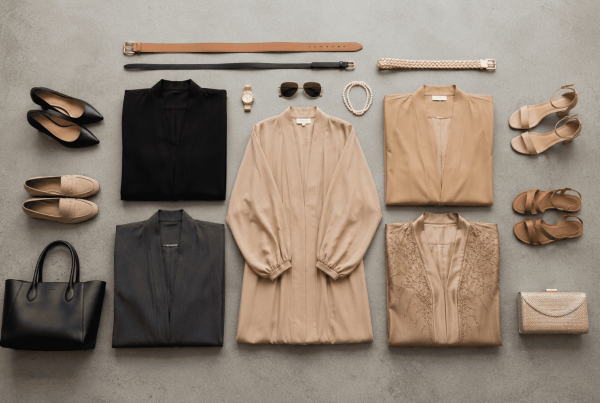
Eid shopping is a cherished tradition for Muslims worldwide—a time to buy new clothes, gifts for family, decorations, and treats for celebration. However, the excitement of Eid shopping can also lead to impulsive purchases, overspending, and buyer’s remorse when you realize that “amazing deal” wasn’t actually that amazing after all.
With retailers in Muslim-majority countries and Muslim communities globally launching increasingly aggressive Eid sales campaigns—some starting months before Eid—navigating these promotions strategically can mean the difference between genuine savings and marketing manipulation. The explosion of online shopping has added both opportunity (easier price comparison) and complexity (overwhelming options, flash sales, countdown timers creating artificial urgency).
This comprehensive guide will teach you how to shop Eid sales like a strategic professional rather than an impulsive consumer. You’ll learn when sales actually start offering real value, how to track prices effectively to identify genuine deals, which items are worth buying during different sale periods, how to avoid common traps, and how to maximize your Eid shopping budget while still getting everything on your list.
Whether you’re shopping in Pakistan, Saudi Arabia, UAE, Malaysia, Indonesia, or any Muslim community worldwide—whether online or in physical stores—these strategies will help you save money, avoid regrets, and shop with confidence during the Eid sales season.
Understanding the Eid Sales Timeline
The Typical Eid Sales Cycle (Eid al-Fitr Example)
Phase 1: Pre-Ramadan Sales (6-8 Weeks Before Eid)
- Timing: Late January to early February (for March/April Eid)
- Discounts: 10-20% typically
- Strategy: Preview collections, bookmark favorites, rarely the best prices
- Best For: Early birds who want first pick of designs
- Avoid: Impulse buying—prices will likely drop
Phase 2: Early Ramadan Sales (4-5 Weeks Before Eid)
- Timing: First two weeks of Ramadan
- Discounts: 15-30% emerging
- Strategy: Good time for popular items that might sell out
- Best For: High-demand items from top brands
- Watch For: “Ramadan Special” collections (often priced higher, then “discounted”)
Phase 3: Mid-Ramadan Sales (2-3 Weeks Before Eid)
- Timing: Middle weeks of Ramadan
- Discounts: 20-40% common
- Strategy: SWEET SPOT for many items
- Best For: Most clothing, accessories, moderate demand items
- Why: Retailers clearing stock, Eid approaching, genuine deals emerging
Phase 4: Late Ramadan Sales (1 Week Before Eid)
- Timing: Last week of Ramadan
- Discounts: 30-60% possible
- Strategy: High risk/high reward
- Best For: Flexible shoppers, backup items, bargain hunters
- Risk: Limited sizes, picked-over selection, popular items sold out
Phase 5: Eid Day & Post-Eid Sales (Eid Week)
- Timing: Eid day through first week
- Discounts: 40-70% clearance
- Strategy: Best prices, worst selection
- Best For: Next year’s Eid, basics, home goods
- Reality: You want to wear it for Eid this year, so limited value for clothing
Phase 6: Post-Eid Clearance (Week 2-4 After Eid)
- Timing: Weeks after Eid celebrations
- Discounts: 50-80% deep clearance
- Strategy: Plan ahead shopping
- Best For: Stockpiling for next year, non-seasonal items, home textiles
- Consider: Storage space, style changes by next year
Optimal Buying Window: Mid-to-late Ramadan for most items (Weeks 2-3 of Ramadan)
Eid al-Adha Sales (Different Pattern)
Timeline Differences:
- Usually falls in summer (June-July)
- Shorter intense sale period (2-3 weeks)
- Focus on different products (home goods, sacrifice-related items)
- Less clothing emphasis (many already bought for Eid al-Fitr)
- Deeper discounts earlier (retailers want quick sales)
Optimal Timing: 1-2 weeks before Eid al-Adha (faster price drops)
Regional Variations
Pakistan:
- Sales start earlier (aggressive competition)
- Online platforms offer best deals
- Physical stores negotiate prices
- Peak sale time: Mid-Ramadan
Saudi Arabia/UAE:
- Malls have synchronized mega-sales
- Online deals often better than in-store
- Tax-free shopping benefits
- Peak sale time: Last 10 days of Ramadan
Malaysia/Indonesia:
- Extended sale periods
- E-commerce platforms dominate
- Flash sales very common
- Peak sale time: Throughout Ramadan with flash deals
Western Countries (US, UK, Canada):
- Limited Eid-specific sales
- Muslim-owned businesses offer discounts
- Online shopping from home countries popular
- Peak sale time: 2-3 weeks before Eid
Price Tracking: Tools and Techniques
Manual Price Tracking Methods
The Spreadsheet Method
How to Set Up:
- Create a spreadsheet (Google Sheets recommended for accessibility)
- Columns: Item, Brand, Store, Original Price, Current Price, Discount %, Link, Date Checked, Notes
- Update every 3-4 days during sale season
- Use color coding (green = price drop, red = price increase, yellow = stable)
Example Template:
| Item | Brand | Store | Original | Current | Discount | Link | Date | Notes |
|---|---|---|---|---|---|---|---|---|
| Blue Kurta | Khaadi | Khaadi.com | 8,500 | 5,950 | 30% | [link] | 15-Mar | Size M available |
| Lehenga Set | Maria B | Noon.com | 18,000 | 18,000 | 0% | [link] | 15-Mar | Price unchanged |
| Kids Outfit | Alkaram | Alkaram | 3,500 | 2,450 | 30% | [link] | 15-Mar | Good deal |
Benefits:
- Complete control over data
- Can track any store
- Customizable to your needs
- Historical price visibility
Drawbacks:
- Time-consuming
- Manual updates required
- Easy to forget to update
Screenshot History Method
How It Works:
- Screenshot product pages with price and date
- Organize in folders by category
- Create photo album on phone labeled “Eid Price Watch”
- Compare screenshots when “sale” is advertised
Benefits:
- Visual proof of prices
- Quick to do
- Works for any website
- Good for disputes/returns
Drawbacks:
- Storage space
- Organization challenge
- Manual comparison needed
Browser Bookmark Method
How It Works:
- Create bookmark folder “Eid Shopping – [Item Category]”
- Bookmark products you’re interested in
- Name bookmarks with current price “[Item Name] – 5000 PKR – 10 Mar”
- Check weekly, rename with new price
- Compare prices over time
Benefits:
- Simple, no extra tools
- Works on any device with browser
- Quick access to products
Drawbacks:
- Bookmark clutter
- No automatic alerts
- Manual price checking
Automated Price Tracking Tools
Browser Extensions
Honey (Available: Worldwide)
- What It Does: Auto-applies coupon codes, tracks prices
- Best For: General shopping, discount codes
- Eid Use: Limited (doesn’t track most local South Asian sites)
- Free: Yes
- Platforms: Chrome, Firefox, Safari
CamelCamelCamel (Amazon-specific)
- What It Does: Tracks Amazon price history
- Best For: Amazon.ae, Amazon.com shopping
- Eid Use: If shopping from Amazon
- Free: Yes
- Features: Price history charts, price drop alerts
Keepa (Amazon-specific)
- What It Does: Detailed Amazon price tracking with graphs
- Best For: Serious Amazon shoppers
- Eid Use: Limited to Amazon platform
- Free: Basic version
- Features: Historical data, trend analysis
Price Tracker Extensions (Various)
- Options: Price History Tracker, ShopSavvy, PriceBlink
- Compatibility: Varies by region
- Effectiveness: Check if they work on your country’s websites
- Limitations: May not work on Pakistani/Middle Eastern e-commerce
Mobile Apps
ShopSavvy
- Platform: iOS, Android
- Features: Barcode scanner, price comparison
- Best For: In-store shopping, comparing to online
- Eid Use: Compare physical store prices to online deals
Flipp
- Platform: iOS, Android
- Features: Digital flyers, sale tracking, shopping lists
- Best For: Organized sale shopping
- Regional: Works best in North America
Price Tracker Apps (Region-Specific)
- Research apps available in your country
- Example: PriceOye in Pakistan for electronics
- Check app store for local options
E-commerce Platform Features
Noon.com (Middle East/Pakistan)
- Built-in Feature: Wishlist with price change notifications
- How to Use: Add to wishlist, enable notifications
- Effectiveness: Good for Noon’s own sales
Daraz (South/Southeast Asia)
- Features: Follow items, price alerts
- Sale Tracking: Shows discount history on some items
- Effectiveness: Works well during mega sales
Amazon.ae / Amazon.sa
- Features: Wishlist, price drop notifications (if enabled)
- Third-party Tools: CamelCamelCamel integration
Brand Websites (Khaadi, Sapphire, etc.)
- Features: Limited; usually just wishlist
- Workaround: Use manual tracking for these
Social Media Monitoring
Instagram/Facebook Tracking
Strategy:
- Follow brands you’re interested in
- Enable post notifications for sale announcements
- Watch Stories for flash sales
- Join brand Facebook groups (sale codes often shared)
Insider Tips:
- Influencer codes often give better discounts than public sales
- Brand ambassadors sometimes get early access codes
- Comment engagement sometimes rewards with discount codes
WhatsApp & Telegram Groups
Community Shopping Groups:
- Join local shopping deal groups
- Members share when they find good deals
- Real-time price updates
- Caution: Verify deals yourself (some share expired/fake codes)
Brand Channels:
- Many brands have WhatsApp broadcast lists
- Get exclusive codes or early access
- Usually requires signing up on website
Twitter Price Alerts
Follow:
- Brand official accounts
- Deal aggregator accounts (e.g., @PakistanDeals)
- Shopping enthusiasts who post finds
Set Alerts:
- Enable notifications for specific accounts
- Use Twitter lists to organize deal accounts
Advanced: Web Scraping (For Tech-Savvy)
Tools:
- ParseHub (visual web scraper)
- Octoparse (enterprise scraping)
- Custom Python scripts (Beautiful Soup, Scrapy)
How It Works:
- Configure scraper to extract product prices
- Schedule automated checks (daily/weekly)
- Store data in spreadsheet
- Set up alerts for price drops
Legality: Check website Terms of Service Complexity: Requires technical knowledge Benefit: Fully automated price tracking
Strategic Timing: When to Buy What
Category-Specific Optimal Buying Times
Women’s Clothing (Outfits, Dresses)
Best Time: Mid-Ramadan (Weeks 2-3)
- Why: Genuine discounts emerging, good selection still available
- Discount Range: 25-40%
- What Sells Out: Popular sizes (Small, Medium, Large in standard ranges)
- Strategy: Buy mid-Ramadan unless you need specific trending design
Alternative: Late Ramadan for budget pieces
- Why: Deep discounts (40-60%)
- Risk: Size/style limitations
- Good For: Basics, second/third Eid outfits
Avoid: Pre-Ramadan
- Why: Minimal discounts (10-20%), prices will drop
- Exception: Extremely popular designer pieces that will sell out
Men’s Clothing (Kurtas, Sherwanis)
Best Time: Late Ramadan (Week 3-4)
- Why: Men procrastinate, retailers know this, offer deeper discounts
- Discount Range: 30-50%
- What Sells Out: Less concern than women’s (men’s sizing more standardized)
- Strategy: Wait longer than you would for women’s clothing
Alternative: Post-Eid for next year
- Why: Men’s formal wear timeless, can buy ahead
- Discount Range: 50-70%
- Storage: Easier (less bulky than women’s lehengas)
Children’s Clothing
Best Time: Early-to-Mid Ramadan (Weeks 1-3)
- Why: Kids grow fast, need correct size NOW
- Discount Range: 20-35%
- What Sells Out: Popular character prints, cute designs
- Strategy: Don’t wait too long—size matters more than price
Don’t: Wait until last minute
- Risk: Size sold out, disappointed children
- Exception: Basic solid colors (these remain in stock)
Jewelry & Accessories
Best Time: Throughout Ramadan (any week)
- Why: Accessories don’t run out like clothing sizes
- Discount Range: Consistent 20-40% throughout
- Strategy: Buy when you finalize outfit (to match)
Consider: Post-Eid for non-seasonal pieces
- Why: Jewelry doesn’t go out of style
- Discount Range: 40-60% after Eid
- Good For: Investment pieces, gold/silver
Shoes & Footwear
Best Time: Mid-Late Ramadan (Weeks 2-4)
- Why: Shoes don’t sell out as fast as clothes
- Discount Range: 25-45%
- What Sells Out: Trendy embellished khussas in standard sizes
- Strategy: Wait for better discounts, but don’t risk losing your size
Sizing Tip: If you find perfect shoes, buy even at lower discount—comfort matters
Home Décor & Textiles
Best Time: Post-Eid (Week 1-3 after Eid)
- Why: Not time-sensitive, deepest discounts after Eid
- Discount Range: 50-80% after Eid
- Strategy: Wait unless hosting Eid gathering
Exception: Eid-specific decorations
- Best Time: Early Ramadan (so you can use during Ramadan and Eid)
Electronics & Appliances
Best Time: Late Ramadan or Post-Eid
- Why: Electronics prices don’t vary by size/sellout
- Discount Range: 15-30% (less than clothing)
- Strategy: Wait for final week sales
Better Alternative: Wait for other sale events
- Why: Back to school, Black Friday often have better electronics deals
- Exception: Eid-gifting electronics (buy mid-Ramadan for selection)
Gifts (Chocolates, Gift Sets, Perfumes)
Best Time: Early-Mid Ramadan
- Why: Need variety for different recipients
- Discount Range: 20-30%
- What Sells Out: Popular gift boxes, luxury items
- Strategy: Buy when variety is good, prices reasonable
Groceries & Food Items
Best Time: Throughout Ramadan (weekly shopping)
- Why: Fresh food, consumption-based
- Watch For: Bulk discounts on dates, sweets, drinks
- Strategy: Stock up on non-perishables mid-Ramadan when sales peak
Post-Eid: Avoid—sale items often close to expiry
The “Buy Now vs. Wait” Decision Matrix
Buy Now If:
- ✅ Specific size/style you need is in stock
- ✅ Item is 30%+ off (genuine discount)
- ✅ Limited quantity item (trending design)
- ✅ For children (size matters more than deal)
- ✅ Already at your budget price point
- ✅ Reviews confirm quality
- ✅ Need it soon (tailoring time needed)
Wait If:
- ⏳ Generic item (will be available later)
- ⏳ Sale just started (prices likely to drop more)
- ⏳ Less than 20% discount
- ⏳ Artificial urgency tactics used (“Only 2 left!” but restocks daily)
- ⏳ Post-Eid use acceptable (decorations, next year’s stock)
- ⏳ Flexible on exact item (can substitute)
- ⏳ Electronics/non-seasonal items
Flash Sales & Countdown Timers
Truth About Flash Sales:
- Often repeated multiple times
- “Limited time” may reappear tomorrow
- Artificial urgency creation
- Sometimes genuine (verify by tracking)
How to Verify Real Flash Sale:
- Check if same sale happened before (social media history)
- See if item returns to sale later
- Track price before/during/after flash sale
- Compare to competitor pricing
Strategy:
- Don’t panic buy
- If genuinely good deal + you need it = buy
- If manufactured urgency = wait and see
- Screenshot to compare if sale returns
Identifying Genuine Deals vs. Marketing Tricks
Common Pricing Tactics to Recognize
1. The Phantom Discount
What It Is:
- “Original price” inflated right before sale
- Example: Item is normally 5,000 PKR
- Week before sale: Marked up to 8,000 PKR
- During sale: “50% OFF! Now 4,000 PKR!” (actually 20% increase)
How to Spot:
- Track prices before sale season
- Compare to previous year’s pricing
- Check competitor pricing for similar items
- Use price tracking tools
Protection:
- Know reasonable price ranges for categories
- Screenshot prices in January/February
- Trust your memory of browsing prices
2. The “Up To” Deception
What It Is:
- “UP TO 70% OFF!” in huge letters
- Reality: One clearance item is 70% off
- Everything else: 10-20% off
How to Spot:
- Read fine print
- Check what’s actually discounted
- Calculate actual average discount
Protection:
- Ignore the big number
- Check specific item discounts
- Don’t let “up to” sway you
3. Minimum Purchase Requirements
What It Is:
- “50% off on orders above 10,000 PKR”
- Forces you to buy more than needed to get “deal”
- You spend more to “save” more
How to Evaluate:
- Calculate: Would you buy items anyway?
- Are you buying just to meet minimum?
- Compare: Item price without discount vs. with requirement
Strategy:
- Split order with friend if genuinely beneficial
- Only use if already planning larger purchase
- Don’t buy unnecessary items for discount
4. Fake Scarcity
What It Is:
- “Only 3 left in stock!” (but restocks daily)
- “Limited edition” (mass-produced)
- Red notification badges creating urgency
How to Spot:
- Check back next day—often “restocked”
- Search item on multiple sites (widely available)
- Check seller’s other items (everything “limited”?)
Protection:
- Screenshot “only X left” claims
- Check next day to verify
- Don’t let artificial scarcity rush you
5. Countdown Timers
What It Is:
- Clock counting down “Sale ends in 2:34:15”
- Creates panic buying
- Often resets or sale continues under different name
How to Test:
- Note when timer “ends”
- Check if sale actually ends or renews
- See if same items still on sale next day
Strategy:
- Ignore timers unless verified genuine
- Make decision based on value, not countdown
- If good deal + you need it = buy regardless of timer
- If unsure = wait and see if timer was real
6. The Decoy Pricing
What It Is:
- Three options presented: 2,000 / 5,000 / 12,000
- Middle option looks “reasonable” by comparison
- Designed to push you toward medium price
How to Spot:
- Extreme options that no one would choose
- Middle option heavily promoted
- Pricing structured to make one seem like “best value”
Protection:
- Decide what you need BEFORE seeing options
- Don’t let pricing structure decide for you
- Evaluate each option independently
7. Bundle “Deals”
What It Is:
- “Buy 3 for price of 2!”
- “Free gift with purchase”
- Forces multiple purchases
How to Evaluate:
- Do you need/want all 3 items?
- Is “free gift” something you’d buy anyway?
- Calculate per-item price vs. buying singles elsewhere
- Check if “bundle” items are slow-selling stock
Strategy:
- Only worthwhile if genuinely need all items
- Split with friends/family if beneficial
- Don’t buy bundles just for the “deal”
Calculating Real Discount Value
Formula:
Real Discount = (Typical Non-Sale Price - Sale Price) ÷ Typical Non-Sale Price × 100
Example:
- Item typically sells for: 8,000 PKR (you tracked this)
- Marked “Original price”: 12,000 PKR
- Sale price: 7,200 PKR
- Claimed discount: 40% off (from 12,000)
- Real discount: (8,000 – 7,200) ÷ 8,000 × 100 = 10%
Questions to Ask:
- What did this item cost last month?
- What do competitors charge for similar items?
- What would I pay for this if not on sale?
- Is the “discount” making me buy something I wouldn’t otherwise?
Red Flags Checklist
Avoid Deals That:
- ❌ Have vague or missing original price history
- ❌ Require sharing on social media for discount
- ❌ Need you to buy items you don’t want
- ❌ Pressure with extreme urgency without verification
- ❌ Offer “today only” deals that repeat weekly
- ❌ Have overwhelmingly positive reviews (fake reviews likely)
- ❌ Don’t clearly state terms and conditions
- ❌ Make return difficult or impossible
- ❌ Require immediate payment for “reservation”
Budget Planning & Spending Discipline
Creating Your Eid Shopping Budget
Step 1: Calculate Total Available Amount
Monthly Income (or Savings allocated): _______
Minus Essential Expenses: _______
Minus Emergency Buffer: _______
= Eid Shopping Budget: _______
Step 2: Allocate by Category
Recommended allocation (adjust to your needs):
- Personal outfit(s): 30-40%
- Spouse/partner outfit: 20-30%
- Children’s outfits: 15-25%
- Gifts (family/friends): 10-15%
- Accessories/shoes: 10-15%
- Home décor: 5-10%
- Miscellaneous/buffer: 10%
Example (10,000 PKR budget):
- Personal outfit: 3,500
- Spouse: 2,500
- Children (2 kids): 2,000
- Gifts: 1,000
- Accessories: 800
- Contingency: 200
Step 3: Create Shopping List
Priority Levels:
- Must-Have: Items you absolutely need
- Want-to-Have: Items that would be nice
- Dream-Items: If budget allows and amazing deal
List Format:
Item: Men's Kurta Pajama
Budget: 2,500 PKR
Priority: Must-have
Flexibility: Can go up to 3,000 for perfect item
Notes: Need navy or white, size L
Tracking Spending in Real-Time
Method 1: Budget Tracker App
- Apps: Mint, YNAB (You Need A Budget), Wallet
- Create “Eid Shopping” category
- Log every purchase immediately
- See remaining budget in real-time
Method 2: Spreadsheet Tracking
Date | Item | Store | Budgeted | Actual | Remaining
3/15 | Kurta | Khaadi | 2,500 | 2,200 | 7,800
3/16 | Kids outfit | Alkaram | 1,000 | 1,400 | 6,400
Method 3: Cash Envelope System (Physical Shopping)
- Withdraw Eid budget in cash
- Divide into category envelopes
- When envelope empty, stop spending on that category
- Forces discipline
Avoiding Impulse Purchases
The 24-Hour Rule:
- Don’t buy non-urgent items immediately
- Add to cart, wait 24 hours
- Revisit with fresh mind
- Often realize you don’t actually want it
The Questions Test: Before buying, ask yourself:
- Did I plan to buy this before seeing it on sale?
- Would I buy it at full price?
- Do I have something similar already?
- Where/when will I actually use this?
- Can I afford it without exceeding budget?
If 3+ “No” answers: Don’t buy
Unsubscribe Strategy:
- Unsubscribe from sale emails if they trigger impulse buys
- Unfollow brands on Instagram temporarily
- Delete shopping apps from phone during vulnerable times
- Block shopping websites with browser extensions
Accountability Partner:
- Share budget with spouse/friend
- Send them potential purchase for approval
- They ask hard questions before you buy
- Mutual accountability if shopping together
Platform-Specific Strategies
Online Shopping Tactics
Noon.com
Best Sale Times:
- Mid-Ramadan flash sales
- Last Friday of Ramadan (Yellow Friday)
- Daily flash deals (check 12pm, 6pm, 9pm)
Tricks:
- Wishlist items to track price changes
- Noon VIP membership (worth it if shopping frequently)
- Filter by “discount percentage” to find best deals
- Check “Deal of the Day” section first
Price Tracking:
- Add to wishlist, enable price drop notifications
- Compare “Express” vs. regular seller pricing
- Check reviews before buying sale items
Daraz
Best Sale Times:
- Daraz Ramadan Sale (throughout month)
- Flash sales (11am, 3pm, 8pm, 12am)
- App-exclusive deals (better than website)
Tricks:
- Collect vouchers daily (stack with sales)
- Use coins earned from past purchases
- Play daily games for discount vouchers
- Follow brands for exclusive codes
Price Tracking:
- Check “price trend” on some items
- Compare sellers (often same item, different prices)
- Read seller ratings carefully
Brand Websites (Khaadi, Sapphire, etc.)
Best Sale Times:
- Mid-Ramadan (20-30% off)
- Pre-Eid final clearance (30-50% off)
- Newsletter subscriber early access (1-2 days before public)
Tricks:
- Sign up for newsletter (often get 10% welcome code)
- Check “Sale” section separately (not always promoted)
- Free shipping thresholds (calculate if worth it)
- In-store pickup to avoid shipping costs
Price Tracking:
- Manual tracking necessary
- Screenshot prices
- Compare to multi-brand platforms (sometimes cheaper there)
Amazon.ae / Amazon.sa
Best Sale Times:
- Ramadan deals (throughout month)
- Prime Day (if coincides with Ramadan)
- Lightning deals (check hourly)
Tricks:
- CamelCamelCamel price tracking
- Subscribe & Save for repeat items (additional discount)
- Prime membership (calculate if worthwhile for shipping/deals)
- Check Warehouse Deals for returned items (deep discounts)
Instagram Shopping
Best Sale Times:
- Story flash sales (24-hour only)
- Ramadan-specific codes (influencer partnerships)
- Live shopping sessions (exclusive deals)
Tricks:
- Follow favorite brands and enable post notifications
- Engage with content (brands reward active followers with codes)
- Join their Telegram/WhatsApp for early access
- Ask for discount codes (many small brands negotiate)
Caution:
- Verify return policies
- Check reviews outside Instagram
- Secure payment methods only
- Screenshot all conversations
Physical Store Tactics
Mall Shopping
Best Times:
- Weekday mornings (less crowded, better negotiation)
- Late Ramadan evenings (desperate to clear stock)
- Opening weekend of sales (best selection)
Negotiation Tips:
- Ask “Is this your best price?” (many stores have flexibility)
- Mention competitor pricing (show evidence on phone)
- Bundle purchases (buying multiple items = better discount)
- Cash payment sometimes gets additional discount
Insider Tactics:
- Ask sales staff when next markdown happens
- Befriend staff (they’ll message you about special deals)
- Sign up for SMS alerts (in-store exclusive codes)
- Check “back room” stock (sometimes un-displayed sale items)
Bazaars & Traditional Markets
Best Times:
- Mid-week (less crowded, better deals)
- Late afternoon (vendors tired, negotiate better)
- Near closing time (don’t want to carry stock back)
Negotiation Essential:
- Start at 40-50% of asking price
- Walk away technique (they often call back with better price)
- Buy multiple items from one vendor (bulk discount)
- Cash only (better negotiation leverage)
Quality Checks:
- Inspect carefully (no returns usually)
- Check fabric quality (pull test, transparency check)
- Verify measurements (bring measuring tape)
- Try on if possible
Smart Shopping Strategies
Comparison Shopping
Online Comparison:
- Open multiple tabs for same/similar item
- Use spreadsheet to track:
- Store name
- Price
- Shipping cost
- Total cost
- Delivery time
- Return policy
- Factor total cost (not just item price)
Price Comparison Tools:
- Google Shopping (shows multiple retailers)
- Search item name + “price comparison”
- Check aggregator sites (if available in your region)
Don’t Forget:
- Shipping costs (can negate “discount”)
- Return shipping costs
- Quality differences (cheapest isn’t always best value)
Reviews & Research
Where to Check Reviews:
- Google Reviews: Store/brand overall
- Product Reviews: On multiple platforms (some fake reviews)
- YouTube: Unboxing/review videos
- Facebook Groups: Local shopping groups (honest reviews)
- Instagram: Search brand name, look at tagged photos (real customers)
Red Flags in Reviews:
- All 5-star reviews (suspicious)
- Generic language (“Great product!” without details)
- Posted same day in bulk
- No photos from verified buyers
Green Flags:
- Detailed descriptions
- Customer photos included
- Mix of ratings (4-5 stars realistic)
- Responses to reviews (brand engagement)
- Recent reviews (relevant to current quality)
Payment Strategies
Credit Cards Benefits:
- Extended warranty protection
- Purchase protection insurance
- Cashback/rewards points (essentially additional discount)
- Fraud protection
Debit Cards:
- Immediate payment (no overspending)
- Some cards offer cashback
- No interest concerns
Cash:
- Better negotiation power (physical stores)
- Avoid overspending
- No transaction fees
Buy Now Pay Later (Tabby, Tamara, etc.):
- Split payment over time
- Caution: Only if you have the money
- Avoid: Paying interest/fees
- Risk: Overspending on budget
Strategy:
- Use credit card for large purchases (protection)
- Use debit/cash to control spending
- Avoid BNPL unless genuinely helps cash flow
- Track all spending regardless of payment method
Shopping with Family/Friends
Benefits:
- Bulk buying for better discounts
- Shared shipping costs
- Honest second opinions
- Split minimum purchase requirements
- Someone to prevent impulse buys
Challenges:
- Different budgets
- Different tastes
- Pressure to buy
- Coordination complexity
Strategy:
- Set ground rules (budget, time limit)
- Choose shopping partner wisely (similar budget/taste)
- Have veto power over own purchases
- Split up if needed (don’t pressure each other)
Return Policies & Protection
Understanding Return Policies
Before Buying, Check:
- Return window (7 days? 14 days? 30 days?)
- Condition requirements (tags on, original packaging?)
- Who pays return shipping?
- Refund method (store credit vs. money back?)
- Exclusions (sale items, final sale?)
Tier 1: Best Policies:
- 30+ day return window
- Free return shipping
- Full refund to original payment method
- Few exclusions
Tier 2: Acceptable:
- 14-30 day window
- Customer pays return shipping
- Store credit offered
- Reasonable exclusions
Tier 3: Avoid:
- Under 7 days
- No returns on sale items
- Restocking fees
- Exchange only, no refund
Documenting Purchases
Keep Records Of:
- Order confirmation emails
- Screenshots of product pages (price, description)
- Payment receipts
- Photos of item as received
- Any communication with seller
Why:
- Dispute resolution
- Warranty claims
- Returning items
- Price match claims
- Fraud protection
Dispute Resolution
If Item Doesn’t Match Description:
- Document issue with photos/videos
- Contact seller immediately (within return window)
- Reference original listing
- Request refund/exchange
- If refused, escalate to platform (Noon, Daraz customer service)
- As last resort: Credit card chargeback
If Item Doesn’t Arrive:
- Check tracking (allow for delays during Eid season)
- Contact seller after reasonable time
- File claim with platform
- Payment protection (credit card companies assist)
After-Purchase Strategies
Keep or Return Decision
Return It If:
- Doesn’t fit properly
- Quality disappointing in person
- Color significantly different from photos
- Found cheaper elsewhere (within return window)
- Regret the purchase
Don’t Feel Bad: Returns are normal and expected
Keep It If:
- Meets expectations
- Fits budget and needs
- Minor issues you can live with
- Past return window (learn for next time)
Learning from Mistakes
Post-Eid Review:
- What did you overspend on?
- What impulse buys do you regret?
- What deals were actually good?
- What would you do differently?
Document Lessons:
- Keep notes for next year
- Note which stores had best deals
- Record what timing worked best
- Save price tracking data
Improve Process:
- Refine budget based on learnings
- Adjust timing strategy
- Unfollow/subscribe to better sources
- Share learnings with family/friends
Regional-Specific Tips
Pakistan
Best Platforms: Daraz, Khaadi.com, Sapphire.pk, Alkaram.com Peak Sale Timing: Mid-to-late Ramadan Best Deals: Lawn collections, unstitched fabric Negotiation: Common in bazaars, some branded stores Payment: Cash still widely used, JazzCash/Easypaisa popular Shipping: Within-city same-day often available
Insider Tips:
- Liberty Market Lahore: Best selection, prices
- Karachi Tariq Road: Bulk buying, negotiation
- Check Facebook Marketplace (lightly used designer pieces)
Saudi Arabia/UAE
Best Platforms: Noon.com, Namshi, Amazon.ae, Sivvi Peak Sale Timing: Last 10 days of Ramadan Best Deals: Abayas, designer brands, electronics Negotiation: Rare in malls, possible in souqs Payment: Credit cards preferred, Apple Pay/Samsung Pay common Shipping: Fast (1-2 days typically)
Insider Tips:
- Dubai Shopping Festival (if timing overlaps)
- Outlet malls (year-round deals)
- Gold Souq negotiation (Eid jewelry)
Malaysia/Indonesia
Best Platforms: Shopee, Lazada, Zalora, Pomelo Peak Sale Timing: Throughout Ramadan with flash sales Best Deals: Modest fashion, electronics, Baju Kurung/Kebaya Negotiation: Uncommon online, possible in traditional markets Payment: GrabPay, various e-wallets, COD popular Shipping: Good infrastructure, affordable
Insider Tips:
- Download shopping apps (better deals than desktop)
- Collect coins/vouchers daily
- Watch for app-exclusive sales
Western Countries (US, UK, Canada)
Best Platforms: Amazon, modest fashion boutiques, ethnic stores Peak Sale Timing: 2-3 weeks before Eid Best Deals: Limited (smaller Muslim markets) Negotiation: Rare Payment: Credit cards, PayPal Shipping: Order early (international shipping slow)
Insider Tips:
- Order from home countries (Pakistan/India) 4-6 weeks early
- Support local Muslim-owned businesses
- Check ethnic neighborhoods for sales
Frequently Asked Questions
When is the absolute best time to buy Eid clothes?
Mid-Ramadan (weeks 2-3) offers the best balance of genuine discounts (25-40%), good selection, and time for tailoring. Early Ramadan = best selection but lower discounts. Late Ramadan = best discounts but limited selection.
Should I buy everything at once or spread purchases throughout the sale period?
Spread strategically: Buy must-haves in mid-Ramadan when you find the right item at a good price. Wait for deeper discounts on flexible items. Don’t wait until last minute for children’s clothes (size issues) or items requiring tailoring (time needed).
How can I tell if a discount is real or fake?
Track prices before the sale (screenshot items you want), compare to competitors, calculate from realistic “normal” price (not inflated “original”), and if discount seems too good to be true, verify with price history tools or checking if similar discounts are widespread (indicates genuine sale).
Is it worth buying next year’s Eid outfits during post-Eid clearance?
Potentially yes for: Men’s basics (sizes stable), children if buying 1-2 sizes up, home décor (timeless), non-seasonal accessories. Risky for: Women’s fashion (trends change), exact-fit needed items, very trendy pieces, anything requiring perfect fit.
How much should I realistically budget for family Eid shopping?
Varies by family size and location, but general guideline: Pakistan: 15,000-50,000 PKR for family of 4, UAE/Saudi: 2,000-6,000 AED for family of 4, Malaysia: 1,500-4,000 MYR for family of 4. Adjust based on income and priorities.
What if I find something cheaper after I already bought it?
Check if store has price match policies (many do during return window), consider returning and repurchasing if significant savings and within return period, but factor in time/effort—sometimes peace of mind worth small difference.
Should I use “Buy Now Pay Later” services for Eid shopping?
Only if: You have the money now but prefer spreading payments for cash flow, there are no interest/fees (verify terms), you’re disciplined to make payments. Avoid if: You don’t currently have the money, relying on future income (risky), high fees involved, tend to overspend with delayed payment.
How do I avoid impulse buying during flash sales?
Use the 24-hour rule (add to cart, wait), ask yourself if you’d buy at full price (if no, probably don’t need), check if it’s on your pre-planned list (if no, reconsider), and remember flash sales often repeat (urgency is usually artificial).
What’s the best way to compare prices across multiple stores?
Create a comparison spreadsheet with columns for store, current price, shipping cost, total cost, and delivery time. Don’t forget to factor shipping into total cost—cheapest price might not be cheapest total after shipping.
Should I shop online or in-store for better deals?
Online advantages: Easier price comparison, convenience, often better deals, no impulse pressure. In-store advantages: See/feel before buying, try on for fit, immediate possession, possible negotiation. Best strategy: Research online, buy where best overall value (price + experience + convenience).
Conclusion: Your Eid Smart Shopping Action Plan
Shopping the Eid sales smartly isn’t about chasing every discount or spending the least money possible—it’s about maximizing value, getting what you genuinely need and want, staying within budget, and avoiding post-purchase regret.
Your Week-by-Week Action Plan
6-8 Weeks Before Eid (Pre-Ramadan):
- ✅ Create budget and shopping list
- ✅ Start tracking prices of items you want
- ✅ Set up price tracking tools
- ✅ Research brands and products
- ✅ Read reviews
4-5 Weeks Before Eid (Early Ramadan):
- ✅ Continue price tracking
- ✅ Buy children’s items (if right size/price found)
- ✅ Purchase items that might sell out
- ✅ Collect discount codes and vouchers
- ✅ Monitor sales start dates
2-3 Weeks Before Eid (Mid-Ramadan – PRIME TIME):
- ✅ Buy most adult clothing
- ✅ Purchase main outfit items
- ✅ Check if tracked prices have dropped
- ✅ Order items needing tailoring
- ✅ Buy gifts
1 Week Before Eid (Late Ramadan):
- ✅ Final purchases only
- ✅ Last-minute basics
- ✅ Backup outfit options
- ✅ Accessories to complete outfits
- ✅ Verify all orders arriving on time
Post-Eid:
- ✅ Return anything unsatisfactory
- ✅ Review spending vs. budget
- ✅ Document learnings for next year
- ✅ Shop clearance for next year (if strategic)
Final Reminders
Remember:
- Sales are designed to make you spend, not save
- Real savings = buying what you’d buy anyway, just cheaper
- Discipline matters more than finding perfect deal
- Quality and fit matter more than discount percentage
- Peace of mind > small price differences
- Eid is about celebration, not consumption
You’ve Succeeded If:
- You stayed within budget (or close)
- You got what you actually needed
- You avoided major impulse purchases
- You feel good about your purchases
- You’re not stressed about money after Eid
The Ultimate Rule
Buy because you love it and need it, not because it’s on sale.
If you follow this guide’s strategies—tracking prices, timing purchases strategically, identifying genuine deals, staying disciplined with your budget, and shopping with intention rather than impulse—you’ll navigate Eid sales like a professional, save significant money, and actually enjoy the shopping experience rather than feeling stressed or regretful.
Eid Mubarak, and happy smart shopping!
About This Guide: This comprehensive resource combines consumer psychology, pricing strategy knowledge, regional shopping expertise, and practical tools to help Muslims worldwide shop Eid sales strategically, save money, and avoid common pitfalls while still enjoying the tradition of Eid shopping.