Pakistani weddings are grand, colorful celebrations that span multiple days, with each event having its own distinct atmosphere, traditions, and dress code. If you’ve received an invitation to a Pakistani wedding, you might be wondering what to wear to look appropriate, respectful, and stylish. This comprehensive guide will walk you through the dress codes for all three main events: the Mehndi, Baraat, and Walima, helping you navigate the beautiful world of Pakistani wedding fashion with confidence.
Understanding Pakistani Wedding Culture
Before diving into specific dress codes, it’s important to understand the cultural significance of Pakistani weddings. These celebrations are not just about the union of two individuals but represent the joining of two families. Each event serves a distinct purpose and carries its own traditions, which are reflected in the attire guests are expected to wear.
Pakistani weddings typically consist of three main events:
- Mehndi – A pre-wedding celebration featuring henna application, music, and dance
- Baraat – The main wedding ceremony where the groom arrives with his procession
- Walima – The reception hosted by the groom’s family
Understanding what to wear to each event will help you feel comfortable and show respect for the couple and their families.
Mehndi Ceremony Dress Code: Vibrant & Celebratory
What is the Mehndi Ceremony?
The Mehndi ceremony is one of the most colorful and joyous pre-wedding events. Traditionally held a day or two before the wedding, this event centers around applying intricate henna designs to the bride’s hands and feet. The atmosphere is festive, with music, dancing, and vibrant decorations, typically featuring yellow and green colors.
Dress Code Guidelines for Female Guests
Color Palette: Yellow and green are the traditional colors for Mehndi, and guests are often encouraged to wear these shades. However, you can also opt for other bright, vibrant colors like orange, pink, fuchsia, or multi-colored outfits. Avoid wearing white, black, or red, as these colors have specific cultural meanings (red is typically reserved for brides at certain events).
Outfit Options:
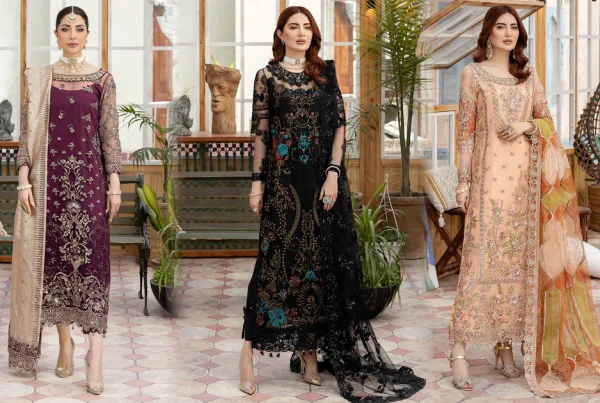
- Shalwar Kameez: This is the most popular and appropriate choice. A traditional three-piece outfit consisting of a long tunic (kameez), loose pants (shalwar), and a dupatta (scarf). For Mehndi, choose embroidered, printed, or embellished versions in vibrant colors.
- Sharara or Gharara: These are traditional Pakistani pants that are fitted at the waist and flare out dramatically at the knees. Paired with a shorter kameez and dupatta, this creates an elegant and festive look perfect for Mehndi celebrations.
- Lehenga Choli: A crop top (choli) paired with a long, flowing skirt (lehenga) and dupatta. This is slightly more formal but absolutely appropriate for Mehndi, especially if it’s heavily embellished.
- Anarkali Suit: A long, flowing frock-style dress paired with fitted pants and a dupatta. Anarkalis come in various lengths and embellishment levels, making them versatile for Mehndi events.
Fabric Choices: Cotton, lawn, chiffon, silk, organza, or georgette fabrics work well for Mehndi. Since there’s often dancing and movement, choose comfortable fabrics that allow you to move freely.
Embellishments: Mehndi outfits can feature mirror work, gota work, embroidery, sequins, or prints. Don’t be afraid of bold patterns and heavy embellishments for this event.
Dress Code Guidelines for Male Guests
Outfit Options:
- Kurta Pajama: The most common choice for men. A long tunic (kurta) paired with loose pants (pajama) or churidar (fitted pants). For Mehndi, opt for brightly colored or printed kurtas in yellow, green, orange, or other festive shades.
- Shalwar Kameez: Similar to kurta pajama but with a slightly different cut. The kameez is typically longer and paired with loose shalwar pants.
- Waistcoat Addition: Adding an embroidered or printed waistcoat over your kurta elevates the entire look and is very fashionable for Pakistani wedding events.
Fabric and Colors: Cotton, linen, or silk fabrics in bright colors work well. You can also wear white or cream with a colorful waistcoat or dupatta draped over one shoulder.
Accessories for Mehndi
For Women:
- Statement jewelry: jhumkas (bell-shaped earrings), chokers, bangles, maang tikka (forehead jewelry)
- Floral accessories in hair (gajras or loose flowers)
- Embellished clutch or potli bag
- Mojari (traditional embroidered shoes) or embellished heels
For Men:
- Khussa or mojari (traditional embroidered slip-on shoes)
- Watch or cufflinks if wearing a waistcoat
- Dupatta draped over one shoulder (optional but stylish)
Important Mehndi Dress Code Tips
- Comfort is key since you’ll likely be dancing and participating in activities
- Avoid overly tight or restrictive clothing
- If applying henna, wear outfits with loose sleeves that can be easily rolled up
- Bright colors and bold patterns are encouraged and celebrated
- Modesty is still important: ensure your outfit provides adequate coverage
Baraat/Nikah Ceremony Dress Code: Elegant & Sophisticated
What is the Baraat Ceremony?
The Baraat is the main wedding event where the groom arrives with his procession (also called Baraat). This is followed by the Nikah, the Islamic marriage ceremony, and the Rukhsati (the bride’s departure with the groom). This is the most formal and important event of the wedding, and the dress code reflects this significance.
Dress Code Guidelines for Female Guests
Color Palette: Rich, elegant colors like royal blue, emerald green, burgundy, maroon, purple, gold, and silver are popular choices. You can also wear pastels like peach, mint, or blush pink for daytime Baraats. Red is traditionally the bride’s color, so it’s best to avoid wearing full red outfits, though incorporating red in a multi-colored ensemble is usually acceptable.
Outfit Options:
- Formal Shalwar Kameez: Opt for heavily embellished versions with intricate embroidery, zari work, dabka, or stone embellishments. This is the most versatile and appropriate choice.
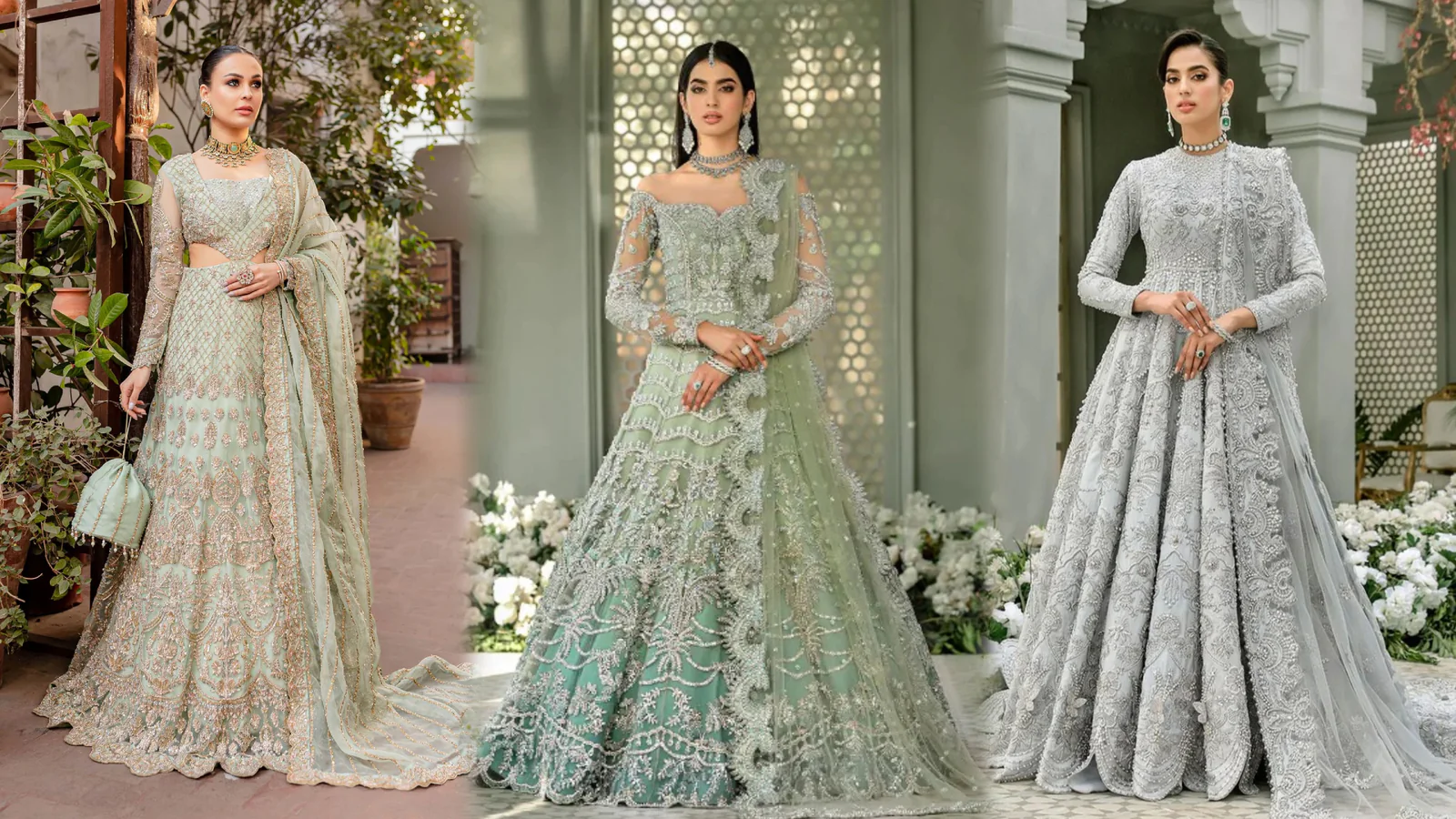
- Lehenga Choli: A heavily embroidered or embellished lehenga is perfect for the Baraat. This is considered formal attire and shows you’re celebrating the significance of the occasion.
- Gharara or Sharara Set: These traditional outfits are experiencing a revival and are incredibly elegant for wedding ceremonies, especially when heavily embellished.
- Formal Anarkali: A floor-length Anarkali with heavy work is appropriate for evening Baraats. Choose rich fabrics with significant embellishment.
- Saree: If you’re comfortable draping one, a Pakistani or Indian saree with heavy borders and embellishment is a sophisticated choice.
Fabric Choices: Silk, velvet, chiffon, net, organza, brocade, jamawar, or other luxurious fabrics are ideal. The fabric should look and feel formal and elegant.
Embellishments: This is the time to go all out with embellishments. Zardozi embroidery, zari work, dabka, sequins, stones, and pearls are all appropriate. Heavy embroidery on the neckline, borders, and sleeves is expected.
Dress Code Guidelines for Male Guests
Outfit Options:
- Sherwani: This is the most formal option for men. A long coat-style garment worn over kurta pajama or churidar. Sherwanis are often heavily embroidered and can be worn in colors like cream, gold, maroon, navy, or black.
- Prince Coat (Jodhpuri Suit): A shorter, jacket-style coat that’s formal and elegant. Can be worn with matching or contrasting pants.
- Formal Kurta Pajama or Shalwar Kameez: If not wearing a sherwani, opt for a formal kurta in rich fabrics like silk or jamawar with an embroidered waistcoat. Colors like white, cream, ivory, navy, black, or maroon work well.
- Three-Piece Suit: Western formal suits are also acceptable, especially for non-Pakistani guests, though traditional attire is preferred and more common.
Fabric and Details: Silk, velvet, brocade, or jamawar fabrics with embroidery on the collar, cuffs, and front are ideal. The outfit should look polished and formal.
Accessories for Baraat
For Women:
- Statement jewelry sets (necklace, earrings, bangles) in gold, kundan, polki, or diamond
- Maang tikka (forehead jewelry piece)
- Multiple bangles or kadas
- Embellished clutch or potli bag
- Formal heels or embellished juttis/mojaris
- Styled hair with possible hair jewelry
- Dupatta styling is important: drape it elegantly over one shoulder or both
For Men:
- Formal shoes: khussa, mojari, or polished leather shoes
- Watch or cufflinks
- Turban (optional, more common for close family)
- Brooch on the sherwani or coat (optional)
- Pocket square if wearing a suit
Important Baraat Dress Code Tips
- This is the most formal event, so dress accordingly
- Quality and elegance matter more than flashiness
- Ensure your outfit is well-fitted and tailored
- Complete coverage is important: shoulders, chest, and legs should be appropriately covered
- If you’re unsure, it’s better to be slightly overdressed than underdressed
- Avoid wearing all white (can look like you’re trying to compete with the bride)
- Consider the venue and time: outdoor evening events may require warmer layers
Walima Reception Dress Code: Formal & Refined
What is the Walima Ceremony?
The Walima is the final wedding event, hosted by the groom’s family as a reception to celebrate the marriage. This event is typically more relaxed than the Baraat but still maintains a formal atmosphere. The Walima often has a specific color theme, and guests may be asked to coordinate with these colors.
Dress Code Guidelines for Female Guests
Color Palette: Pastels, jewel tones, metallic shades (gold, silver, rose gold), or any elegant colors work well. Many Walimas have specific color themes (like all white, pastels, or specific color combinations), so check your invitation or ask the hosts. Unlike Western weddings, wearing white to a Pakistani Walima is often encouraged if it’s the theme.
Outfit Options:
- Formal Shalwar Kameez: Slightly less heavily embellished than the Baraat outfit but still formal and elegant. Pastel or jewel-toned options work beautifully.
- Lehenga or Gharara: A semi-formal to formal version works well. Can be slightly lighter in embellishment than what you’d wear to the Baraat.
- Long Gown or Maxi Dress: If you prefer Western formal wear, a modest long gown with sleeves or a shawl is acceptable. Ensure it provides adequate coverage and isn’t too revealing.
- Formal Saree: An elegant choice that bridges traditional and contemporary styling.
- Indo-Western Fusion: Modern fusion outfits combining Eastern and Western elements (like a long jacket over pants with a dupatta) are increasingly popular for Walima.
Fabric Choices: Chiffon, georgette, silk, net, or organza in lighter weights are ideal. The fabric should still be formal but can be slightly less heavy than Baraat attire.
Embellishments: Moderate to heavy embellishment is appropriate. You can opt for elegant embroidery, sequin work, or lighter embellishments compared to the Baraat.
Dress Code Guidelines for Male Guests
Outfit Options:
- Formal Kurta Pajama or Shalwar Kameez: In elegant colors with a waistcoat. This is the most common choice for Walima.
- Sherwani: A less ornate version than what you’d wear to the Baraat, or you can repeat your Baraat sherwani.
- Prince Coat: A sophisticated choice that’s less formal than a full sherwani but more formal than a simple kurta.
- Three-Piece Suit: Western suits are more commonly seen at Walima events, making them a perfectly acceptable choice, especially for non-Pakistani guests.
- Kurta with Dress Pants: A more contemporary fusion look that’s elegant and comfortable.
Colors and Fabrics: Navy, black, gray, cream, white, or colors that match the wedding theme. Silk, cotton silk, or linen fabrics work well.
Accessories for Walima
For Women:
- Elegant jewelry (can be slightly lighter than Baraat jewelry)
- Formal clutch or handbag
- Heels or formal flats
- Dupatta draped elegantly (styling matters)
- Light to moderate makeup
- Styled hair
For Men:
- Formal shoes: leather shoes, loafers, or khussas
- Watch
- Tie or bow tie if wearing a Western suit
- Cufflinks
- Pocket square
Important Walima Dress Code Tips
- Check if there’s a specific color theme and try to coordinate
- The dress code is formal but slightly more relaxed than the Baraat
- Western formal wear is more acceptable at Walima than other events
- Ensure your outfit is well-coordinated and polished
- If you’re re-wearing an outfit from another event, style it differently with new accessories
- Consider the venue: hotel ballrooms vs. outdoor gardens may influence your choice
General Dress Code Guidelines for All Pakistani Wedding Events
Modesty Considerations
Regardless of which event you’re attending, modesty is a key consideration in Pakistani wedding attire:
- Coverage: Shoulders, chest, and upper arms should typically be covered. If your outfit has a lower neckline or sleeveless design, use your dupatta to provide coverage.
- Length: Pants or skirts should extend to the ankles. Short dresses or skirts are not appropriate.
- Fit: While outfits can be fitted, they shouldn’t be overly tight or revealing.
- Transparency: If wearing sheer fabrics, ensure you have appropriate undergarments or layering.
Cultural Sensitivity Tips
- Avoid Bride’s Colors: Don’t wear the same color as the bride if you know what she’ll be wearing. Red is traditional for Baraat brides, though many modern brides choose other colors.
- Respect Religious Spaces: If the Nikah ceremony takes place in a mosque, additional modesty is required. Bring a large dupatta to cover your head and ensure full body coverage.
- Ask When Unsure: If you’re uncertain about the dress code or cultural expectations, don’t hesitate to ask the hosts or other guests who are familiar with Pakistani weddings.
- Consider the Family’s Background: Some families are more traditional while others are more contemporary. Observe what other guests are wearing and adjust accordingly.
Shopping for Pakistani Wedding Attire
Where to Buy:
- Local Pakistani/South Asian Boutiques: If you live in an area with a significant Pakistani community, local boutiques offer authentic options.
- Online Retailers: Websites like Khaadi, Sapphire, Maria B, Alkaram Studio, Elan, and Sana Safinaz ship internationally. Sites like Etsy also feature Pakistani wedding attire.
- Custom Tailoring: Many Pakistani clothing stores offer custom tailoring services. You can choose a design and have it made to your measurements.
- Rent: Consider renting formal Pakistani outfits, especially for Baraat or Walima, if you won’t wear them again.
Budget Considerations:
- Mehndi outfits: $30-$150 (can be less formal)
- Baraat outfits: $100-$500+ (most formal and elaborate)
- Walima outfits: $80-$300 (formal but can be simpler than Baraat)
Prices vary significantly based on fabric, embellishment level, designer names, and whether you’re buying ready-made or custom pieces.
Outfit Planning Timeline
- 3-4 Weeks Before: Research outfit options, especially if ordering online or getting something custom-made.
- 2-3 Weeks Before: Order or purchase your outfits, allowing time for any alterations needed.
- 1 Week Before: Try on complete looks with accessories and shoes to ensure everything fits and coordinates.
- 2-3 Days Before: Pick up any outfits from tailors or dry cleaners.
Styling Tips for Non-Pakistani Guests
If you’re attending a Pakistani wedding but aren’t familiar with South Asian fashion, here are some tips to help you navigate:
First-Time Guests
- Start with Basics: A simple shalwar kameez is universally appropriate and easier to wear than more complex outfits like lehengas or sarees.
- Choose Comfort: If you’re not used to wearing traditional outfits, opt for styles that feel comfortable and allow you to move freely.
- Practice Dupatta Draping: The dupatta (scarf) is an essential part of most Pakistani outfits. Practice different draping styles before the event.
- Watch Videos: YouTube has countless tutorials on how to wear and style Pakistani wedding attire.
- Embrace the Culture: Don’t be afraid to wear traditional Pakistani outfits even if you’re not Pakistani. Most families appreciate guests who make the effort to honor their culture.
Western Alternatives
If you’re more comfortable in Western attire:
- Mehndi: A colorful maxi dress with a shawl or pashmina is acceptable
- Baraat: A formal floor-length gown with sleeves or a jacket/shawl (avoid anything too revealing)
- Walima: Cocktail formal dresses with appropriate coverage work well
Always ensure Western outfits meet modesty standards: no short hemlines, low necklines, or bare shoulders without coverage.
Hair, Makeup, and Final Touches
Hair Styling
- Mehndi: Fun, playful styles with floral accessories or loose waves
- Baraat: Elegant updos, intricate braids, or styled loose hair with hair jewelry
- Walima: Polished and sophisticated, can repeat Baraat style or opt for something new
Makeup
- Mehndi: Bright, colorful, playful makeup that matches your vibrant outfit
- Baraat: Dramatic, formal makeup with bold eyes and lips appropriate for photography
- Walima: Elegant, refined makeup that’s slightly softer than Baraat
Dupatta Management
The dupatta is a crucial element of Pakistani wedding attire but can be tricky to manage:
- Over Both Shoulders: Formal and traditional, provides maximum coverage
- Over One Shoulder: Elegant and allows easier movement
- Draped in Front: More contemporary, draped across the front and over one shoulder
- Pinned: Use safety pins or brooches to keep your dupatta in place
- Dupatta Clips: Special clips designed to hold your dupatta on your shoulders
Practical Tips for the Day
- Emergency Kit: Bring safety pins, dupatta clips, compact powder, lipstick, and a small sewing kit
- Comfortable Shoes: Bring backup flats if wearing heels, as events can last many hours
- Weather Considerations: Layer appropriately for the season and venue
- Photography: Your outfit will be photographed extensively, so ensure it photographs well
- Respect Event Timing: Pakistani weddings often start later than the stated time, so don’t overdress too early
Frequently Asked Questions
Can I wear the same outfit to multiple events?
While it’s possible to re-wear outfits, it’s generally preferred to wear different outfits to each event, especially if you’re in the wedding party or close to the family. If you must re-wear, change your styling with different accessories, jewelry, and dupatta draping.
What if I can’t afford multiple expensive outfits?
Invest more in your Baraat outfit as it’s the most important event. For Mehndi, you can opt for more affordable, lighter pieces. For Walima, you might re-style your Baraat outfit differently or choose a simpler but elegant option.
Is it offensive for non-Pakistanis to wear traditional Pakistani outfits?
Absolutely not! Pakistani families typically appreciate when guests embrace their culture by wearing traditional attire. It shows respect and celebration of their heritage.
What if I’m pregnant or have body concerns?
Pakistani fashion is very accommodating for different body types. A-line shalwar kameez, Anarkali suits, and flowing outfits are perfect for pregnancy or when you want more coverage and comfort. Just communicate with your tailor or choose appropriate ready-made sizes.
How do I know which specific colors to avoid?
When you receive the invitation, check for any color theme information. If you’re close to the family, ask what the bride will be wearing to avoid matching. Generally, avoid all-red for Baraat and follow any specified color themes for Walima.
Can men wear Western suits?
Yes, especially to Walima. However, traditional attire is preferred and shows greater cultural appreciation, particularly for Mehndi and Baraat ceremonies.
What about jewelry – is there such a thing as too much?
For Mehndi and Baraat, bold, statement jewelry is expected and appropriate. For Walima, you can be slightly more restrained. Generally, more is acceptable in Pakistani wedding culture compared to Western events.
How early should I arrive?
Pakistani weddings often run on “desi time,” meaning they start later than the official time stated. Arriving 30-60 minutes after the stated time is typically acceptable for guests (though this varies by family).
What if my outfit is too revealing?
Always bring a large dupatta or shawl that can provide additional coverage if needed. You can drape it over your shoulders, chest, or use it to cover your head in religious settings.
Conclusion: Celebrating in Style
Attending a Pakistani wedding is a wonderful opportunity to experience rich cultural traditions, vibrant celebrations, and the warmth of Pakistani hospitality. Understanding the dress code for each event—Mehndi, Baraat, and Walima—ensures you’ll feel confident, comfortable, and appropriately dressed throughout the celebrations.
Remember these key takeaways:
- Mehndi: Vibrant colors (especially yellow and green), comfortable, festive attire with joyful accessories
- Baraat: Formal, elegant, heavily embellished outfits in rich colors with sophisticated styling
- Walima: Formal but slightly relaxed, often following a color theme, with polished presentation
The most important elements are modesty, respect for cultural traditions, and celebrating the joy of the occasion. Pakistani weddings are about bringing people together, and your effort to dress appropriately will be noticed and appreciated by the couple and their families.
Whether you choose to embrace traditional Pakistani attire or opt for modest Western formal wear, the goal is to honor the couple’s special day while feeling comfortable and confident. Don’t be afraid to ask questions, seek guidance from the hosts, or experiment with South Asian fashion—most importantly, enjoy the celebration!
Pakistani weddings are experiences you’ll remember forever, filled with incredible food, music, dancing, and the joy of two families coming together. Now that you know what to wear, you can focus on what truly matters: celebrating love, making memories, and enjoying one of the most spectacular wedding traditions in the world.