

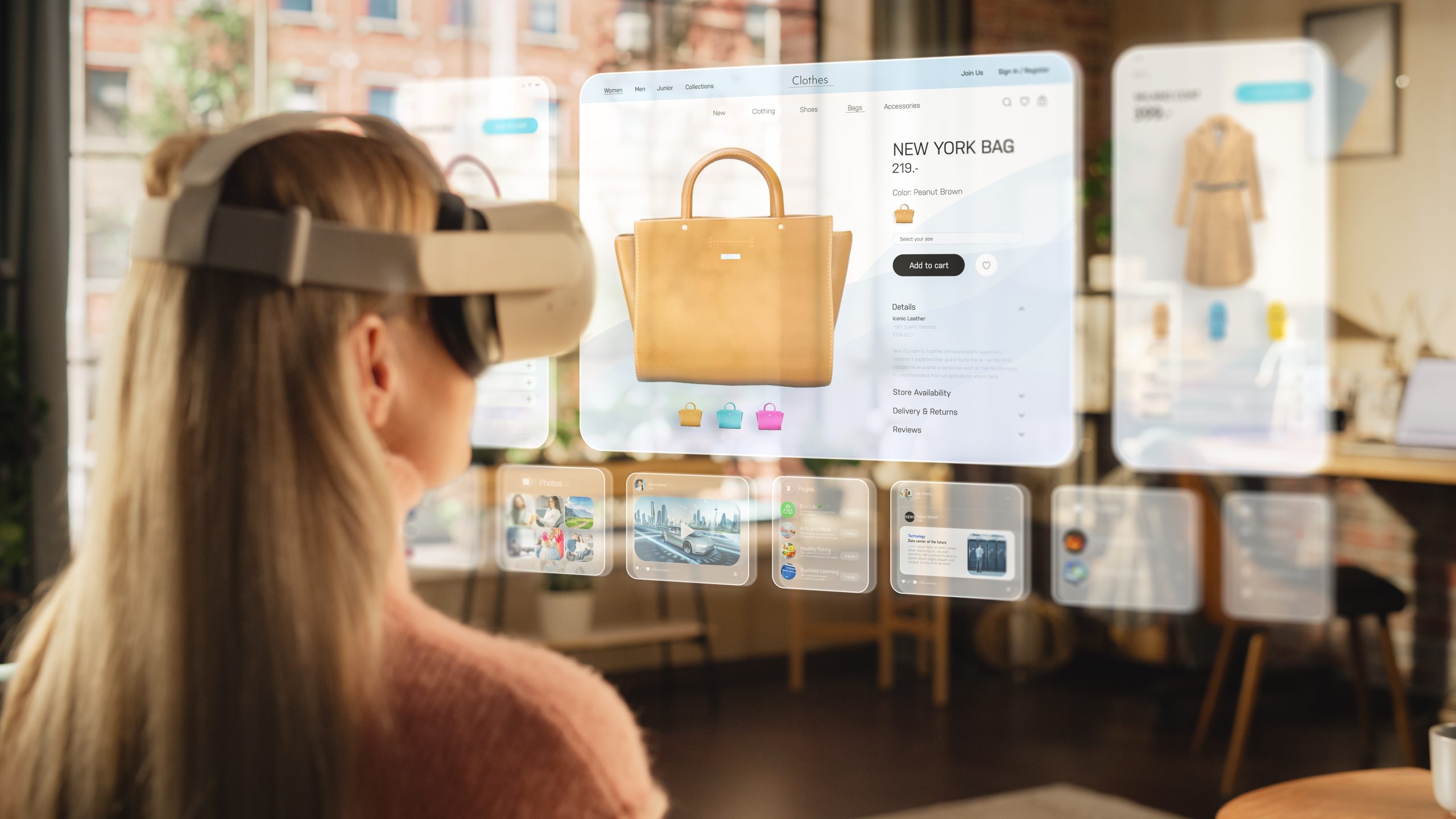
Online shopping has dramatically reshaped the way we purchase goods and services, with rapid technological advancements and evolving consumer behaviors driving its evolution. As we move further into the digital age, the future of online shopping is becoming increasingly dynamic, presenting new opportunities for businesses and consumers alike. This blog delves into the future of online shopping, exploring key trends and predictions that will define e-commerce in the coming years.
1. The Impact of Artificial Intelligence (AI) on Online Shopping
Artificial Intelligence (AI) is undoubtedly one of the most significant drivers of change in the future of online shopping. AI-powered solutions are transforming the way businesses personalize shopping experiences, automate processes, and engage with customers.
- AI-Powered Personalization: Retailers are using AI to analyze customer data, behaviors, and preferences to deliver hyper-personalized shopping experiences. From tailored product recommendations to individualized promotions, AI ensures that shoppers receive content that aligns with their unique interests and needs.
- Chatbots and Virtual Assistants: AI-driven chatbots are becoming a fixture on e-commerce websites, assisting customers with everything from answering queries to completing purchases. Virtual assistants like Alexa and Siri are also making it easier for customers to shop through voice commands.
- Visual Search: AI is enhancing product discovery by allowing customers to upload images and find similar products, eliminating the need to describe the item in words.
2. The Rise of Augmented Reality (AR) and Virtual Reality (VR) in E-Commerce
Augmented Reality (AR) and Virtual Reality (VR) are set to revolutionize the way consumers interact with products online. These technologies provide immersive and interactive shopping experiences that allow customers to visualize products in ways never before possible.
- Virtual Try-Ons: AR is enabling customers to “try on” products virtually. For example, AR applications allow shoppers to see how a pair of shoes looks on their feet or how a piece of furniture would look in their home before making a purchase.
- Immersive Shopping: VR is taking online shopping a step further by creating fully immersive shopping experiences. Virtual stores and 3D environments allow customers to “walk” through stores and engage with products in a lifelike manner, making it feel like they are physically shopping.
3. Mobile Shopping: The Future is Mobile-First
The growth of mobile commerce (m-commerce) has been staggering in recent years, and this trend shows no signs of slowing down. As smartphones become the primary device for online shopping, businesses must prioritize mobile optimization to stay competitive.
- Mobile Shopping Growth: With more consumers shopping on mobile devices than ever before, businesses must create seamless, mobile-friendly shopping experiences. Mobile apps and responsive websites ensure customers can browse and purchase products on the go.
- Mobile-First Platforms: In the future, mobile-first platforms will dominate the e-commerce landscape. Companies will prioritize mobile usability in their web design and ensure that their platforms are optimized for quick, efficient mobile transactions.
4. Social Media Shopping: Integrating E-Commerce into Social Platforms
Social media has become a powerful force in the world of online shopping. Platforms like Instagram, TikTok, and Facebook are no longer just spaces for social interaction—they’re now vital sales channels.
- Instagram, TikTok, and Facebook Shopping: Social media platforms are integrating shopping features that allow users to purchase products directly through their feeds. With the introduction of Instagram Shops, TikTok Shopping, and Facebook Marketplace, social commerce is on the rise, enabling businesses to engage customers where they spend most of their time.
- Influencer Marketing: Influencers are shaping consumer purchasing decisions more than ever before. Partnering with influencers who align with their brand allows companies to tap into new audiences and drive conversions.
5. The Influence of Voice Commerce (Voice Shopping)
Voice commerce, or voice shopping, is quickly becoming a game-changer in online retail. With the widespread use of voice assistants like Amazon’s Alexa, Google Assistant, and Apple’s Siri, voice-powered shopping is poised for rapid growth.
- Voice Search and Shopping: Consumers are increasingly using voice search to find products, compare prices, and make purchases. As voice recognition technology becomes more accurate and widespread, more e-commerce platforms will adopt voice-activated features.
- Voice-Powered Transactions: In the future, voice commerce will streamline the shopping experience by allowing customers to complete purchases entirely through voice commands. From adding items to the cart to checking out, voice assistants will play a central role in e-commerce.
6. Payment Innovations and Cryptocurrency in E-Commerce
As online shopping continues to evolve, so do the methods of payment. Innovations like cryptocurrency and Buy Now, Pay Later (BNPL) services are transforming how consumers complete their transactions.
- Cryptocurrency: Digital currencies like Bitcoin and Ethereum are becoming increasingly accepted by e-commerce platforms. Blockchain technology ensures secure, transparent transactions, making cryptocurrency a viable payment option for online shoppers.
- Buy Now, Pay Later (BNPL): Services like Afterpay, Klarna, and Affirm allow customers to split payments into installments. This trend is gaining popularity as consumers look for more flexible ways to pay for their purchases.
7. Sustainability and Ethical Shopping
Sustainability has become a top priority for both consumers and businesses. As the demand for eco-friendly products and practices increases, the online shopping industry must adapt to meet these expectations.
- Eco-Friendly Products: Consumers are becoming more conscious of their environmental impact and are choosing sustainable brands. From sustainable packaging to environmentally friendly products, e-commerce businesses are increasingly offering greener options.
- Ethical Practices: Consumers are also demanding that brands uphold ethical practices, such as fair labor conditions and ethical sourcing. Brands that align with these values will attract more conscientious shoppers.
8. Faster and Smarter Delivery: The Future of Logistics in E-Commerce
Consumers are placing more importance on delivery times, and e-commerce businesses are responding with faster and more innovative delivery solutions.
- Same-Day and Drone Deliveries: Companies are exploring new delivery methods like same-day delivery and drones. Same-day delivery services are particularly in demand, and companies are investing in logistics technology to meet these needs.
- AI and Robotics: AI-driven supply chains and robotics are helping companies streamline their delivery processes, reduce costs, and improve delivery speed.
9. The Future of Data Privacy and Consumer Protection in E-Commerce
As e-commerce grows, so does the need for robust data protection and privacy measures. Consumers are becoming more concerned about how their data is used, and businesses must prioritize consumer protection to build trust.
- Data Protection Regulations: Regulations like GDPR and CCPA are forcing e-commerce businesses to adopt better data protection practices. These laws require companies to be transparent about how they collect, store, and use consumer data.
- Building Trust with Consumers: In the future, privacy-first shopping will become the norm. Brands that emphasize data security and provide consumers with control over their information will foster stronger, more loyal customer relationships.
10. Predictions for the Next 5-10 Years in Online Shopping
The future of online shopping is incredibly exciting, with emerging technologies and evolving consumer habits shaping the industry. Here are some predictions:
- IoT (Internet of Things): The rise of connected devices will further streamline the online shopping experience. From smart refrigerators that order groceries to wearable tech that helps with shopping, IoT will play a central role.
- 5G Networks: With faster internet speeds, 5G will enable seamless, real-time shopping experiences, including VR and AR applications that demand high-speed connections.
11. Conclusion
The future of online shopping is filled with exciting possibilities. From the rise of AI and AR to faster delivery methods and sustainable practices, the industry is set to transform in ways we could have only imagined a decade ago. As businesses adapt to these trends, they will not only stay relevant but thrive in a rapidly evolving digital marketplace.
12. FAQs
- What is the future of online shopping in 2025?
The future of online shopping will include AI-driven personalization, mobile-first platforms, and faster delivery methods like drones. - How is AI impacting the shopping experience?
AI is enhancing online shopping through personalized recommendations, predictive analytics, and virtual assistants. - Will mobile shopping become the dominant platform for e-commerce?
Yes, mobile shopping is expected to continue growing, with more businesses optimizing their websites and apps for mobile-first experiences.
By focusing on the future of online shopping and staying ahead of emerging trends, businesses can capitalize on these innovations to create more engaging and efficient shopping experiences for their customers.


